







Buy Breadboards and 0 PCBs Online in India | StemVolt

The Breadboards and 0 PCBs are the foundation of every electronics prototype and final circuit build. From 400-point breadboards with power supply modules and breadboard wire connectors to zero PCB boards and copper clad laminate prototype PCBs, these suit beginner and advanced builds. Best price guaranteed with fast delivery across India.

Breadboards and PCBs

What are Breadboards and PCBs?

Breadboards are solderless prototyping boards with internal metal clip connections that allow components and jumper wires to be inserted and removed freely for testing circuits. PCBs or Printed Circuit Boards provide permanent copper trace connections etched onto a fibreglass substrate. A zero pcb board uses a grid of holes for point-to-point soldering. A common example in Indian college electronics builds is wiring an Arduino sensor circuit on a 400-point bread board before transferring the final design to a zero PCB board for a permanent build.

Common Breadboards and PCBs Available at StemVolt

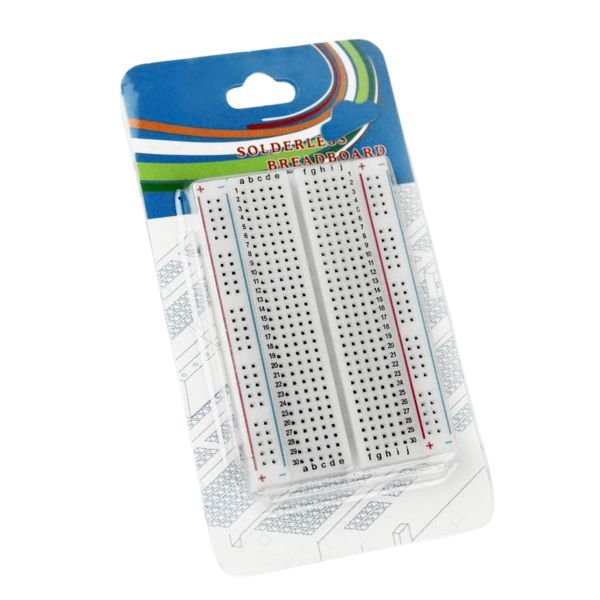
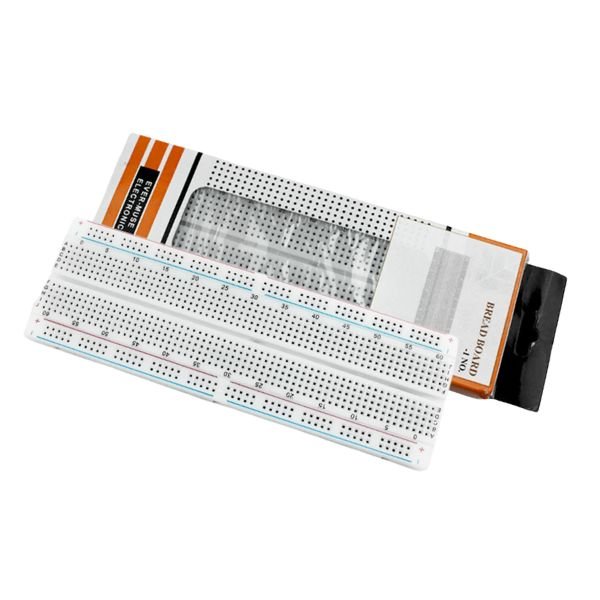
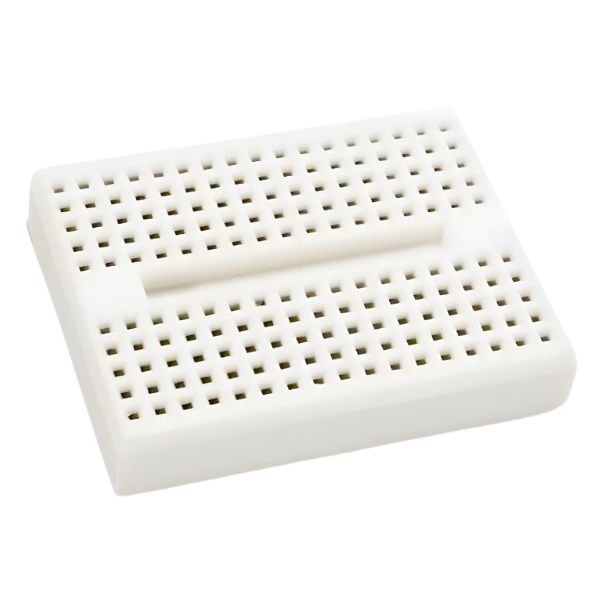
  • 400 Point Breadboard — Standard solderless breadboard for component testing and circuit prototyping without soldering
  • 830 Point Breadboard — Larger bread board for complex multi-component circuit builds with more tie point rows
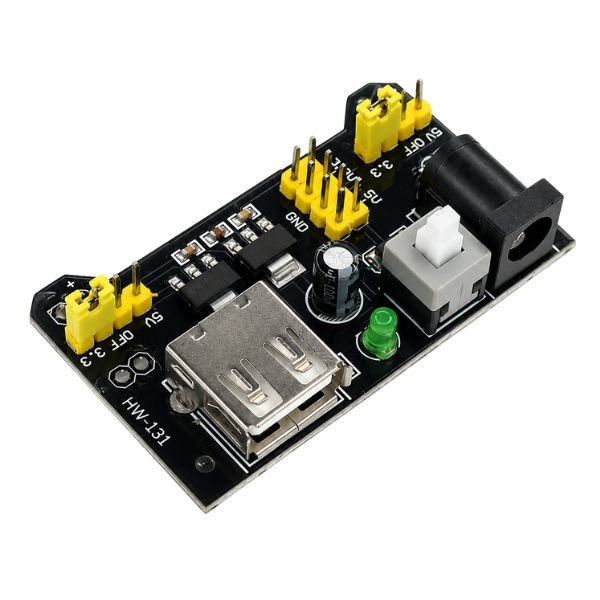
  • Breadboard Power Supply Module 3.3V-5V — Plug-in bread board with power supply for clean regulated 3.3V and 5V output on rails
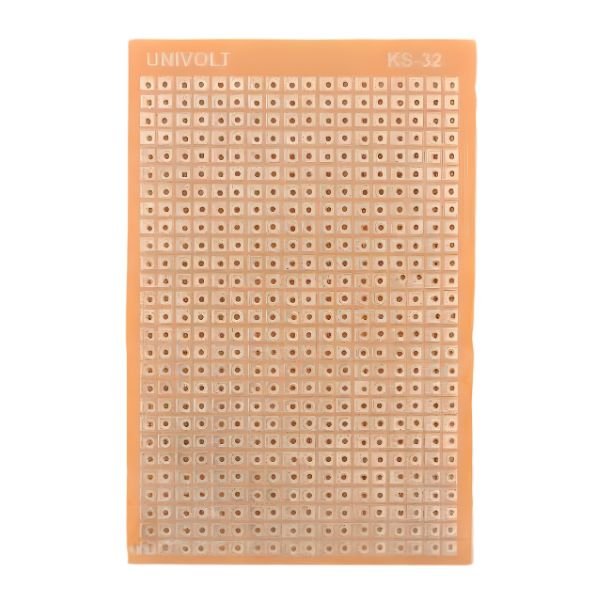
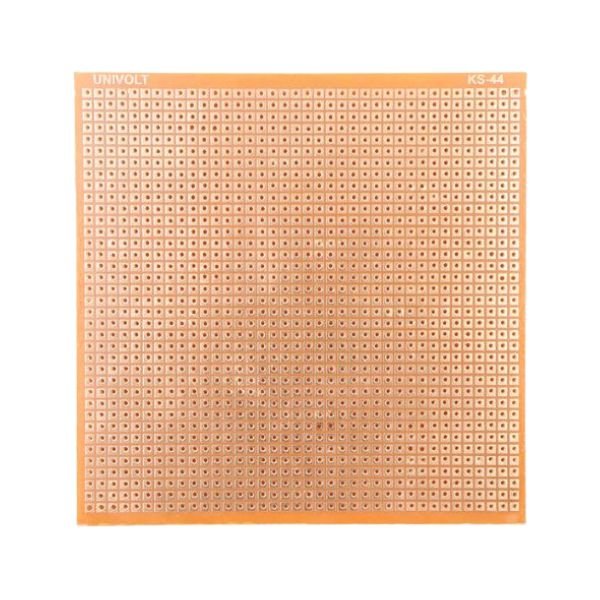
  • Zero PCB Board 5x7cm — Prototype pcb printed circuit board with universal hole grid for permanent soldered builds
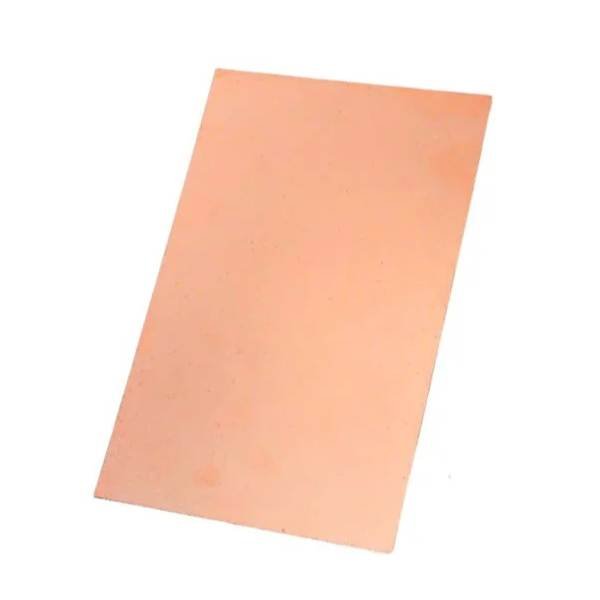
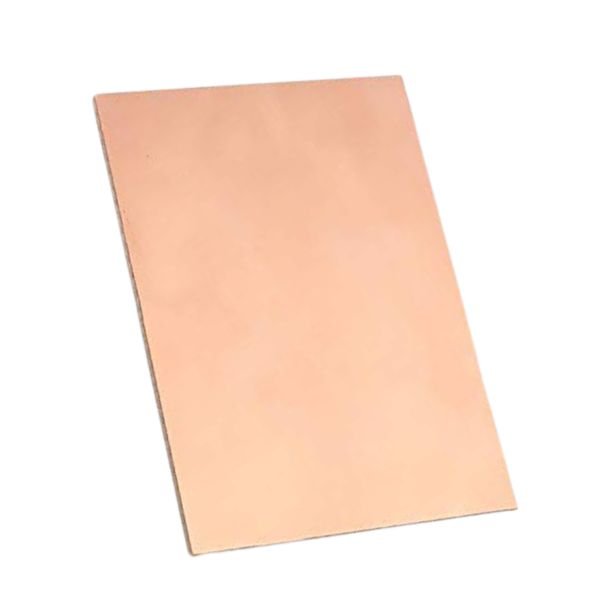
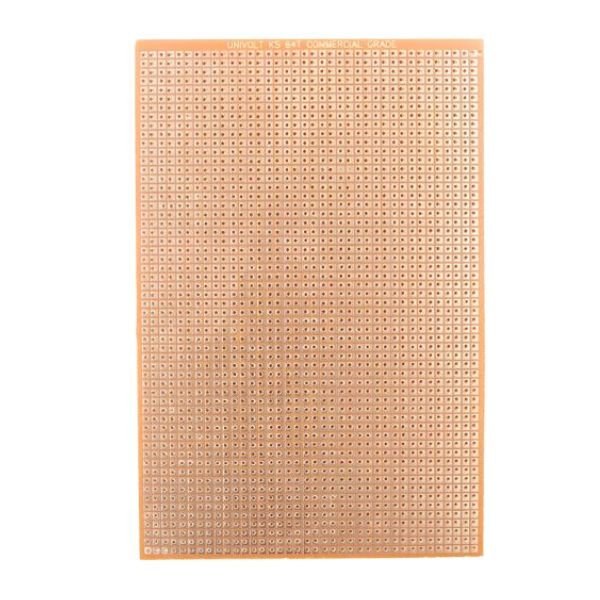
  • 6x4 Inch Copper Clad Laminate PCB — Double-sided pcb board for custom etched circuit layouts in advanced DIY projects
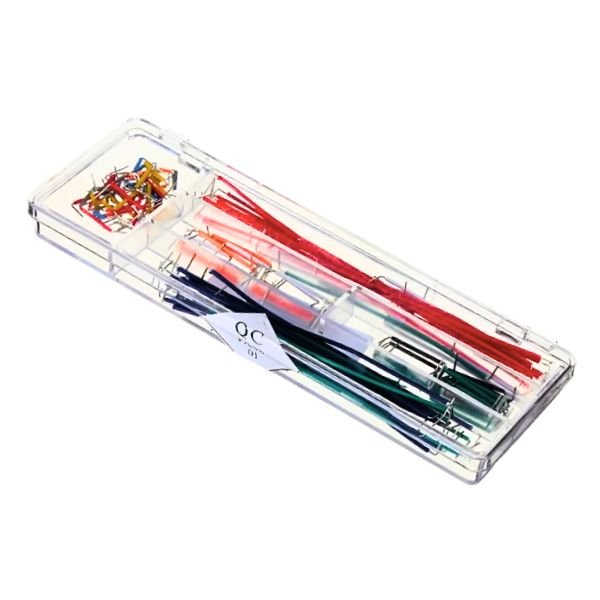
  • Flexible Jumper Wires 65 Pcs — Assorted breadboard wire connectors for clean connections across all standard breadboard builds

How to Choose the Right Breadboards and PCBs

Choose based on your build stage and component count. For initial testing and experimentation, a 400 or 830 point breadboard with power supply module is the most flexible starting point. For builds that need a permanent non-soldered layout, a larger 830 point board gives more room. For final permanent builds, a zero PCB board suits simple circuits while copper clad laminate suits custom etched designs. One practical tip: always add a breadboard power supply module rather than drawing power from Arduino's 5V pin, as multiple components pulling current simultaneously from Arduino's regulator causes voltage drops that reset the board mid-experiment.

Why BuyBreadboards and PCBs from StemVolt

StemVolt electronic components, stored in Rajasthan, carry only genuine, quality-verified Breadboards and PCBs. Fast shipping across India, best price guaranteed.

FAQ SECTION

Frequently Asked Questions

1. What is the difference between a zero PCB and a breadboard?

A breadboard is solderless and reusable — components plug in and out freely for testing circuits without any permanent connections. A zero PCB is a grid-hole board where components are soldered permanently for final circuit builds. Use a breadboard for testing and a zero PCB when the circuit is confirmed working and needs a permanent compact form.

2. What are the different types of breadboards and which one should a beginner use?

Breadboards come in three main types based on tie point count: 170-point mini boards for very compact builds, 400-point half-size boards for beginner projects, and 830-point full-size boards for complex multi-component circuits. For a first Arduino project in India, a 400-point breadboard gives enough space for most sensor and motor circuits without feeling cluttered or running out of tie points on the first build.

3. Are breadboards compatible with Arduino and all standard electronic components?

Yes. All standard through-hole components including resistors, LEDs, capacitors, transistors, and ICs fit standard breadboard 2.54mm pitch holes. Arduino pins use the same 2.54mm standard, so jumper wires connect Arduino directly to any breadboard row. Surface-mount components do not fit breadboards directly and need an adapter breakout board before they can be tested on a standard solderless breadboard.

4. How do I use a breadboard correctly to avoid common mistakes in my first project?

Always insert ICs across the centre divider so each pin lands on a separate row. Connect power and ground rails first before adding components. Never exceed the current rating of the breadboard rails, typically 1A for standard boards. Use short jumper wires to keep connections traceable. Most beginner mistakes in Indian college labs come from loose wire connections rather than incorrect circuit design, so push wires firmly into tie points.