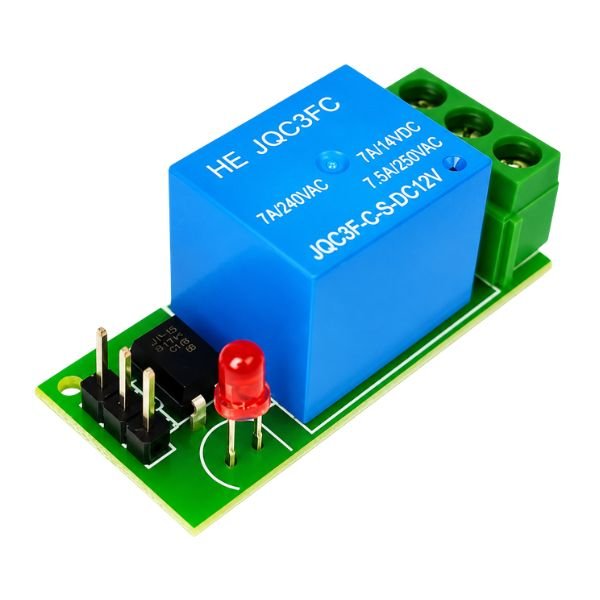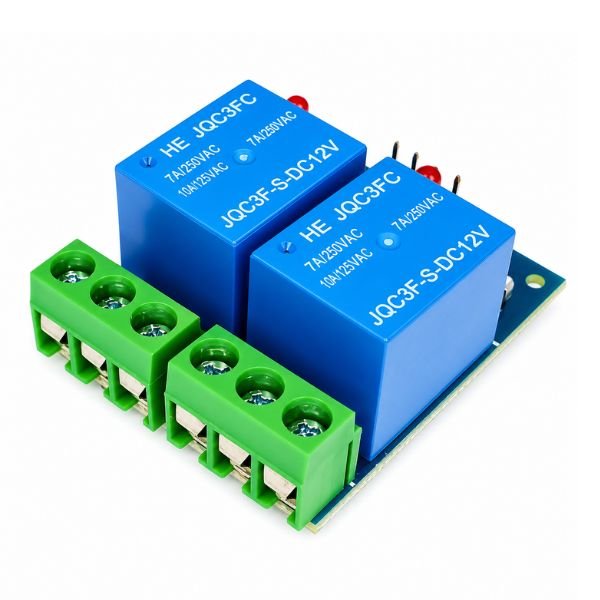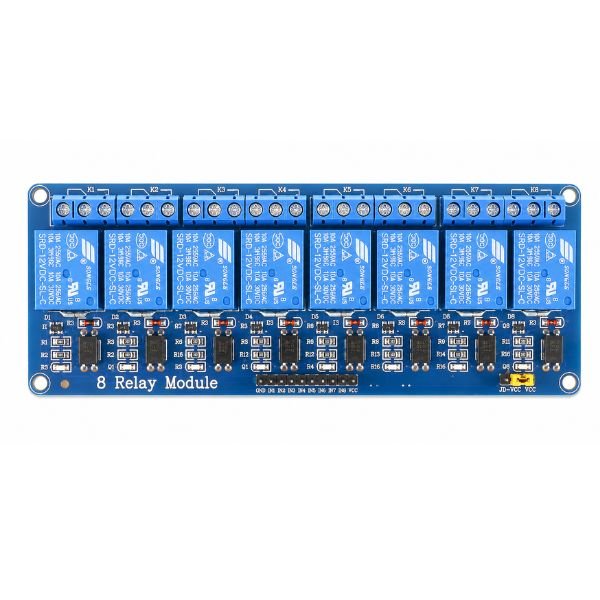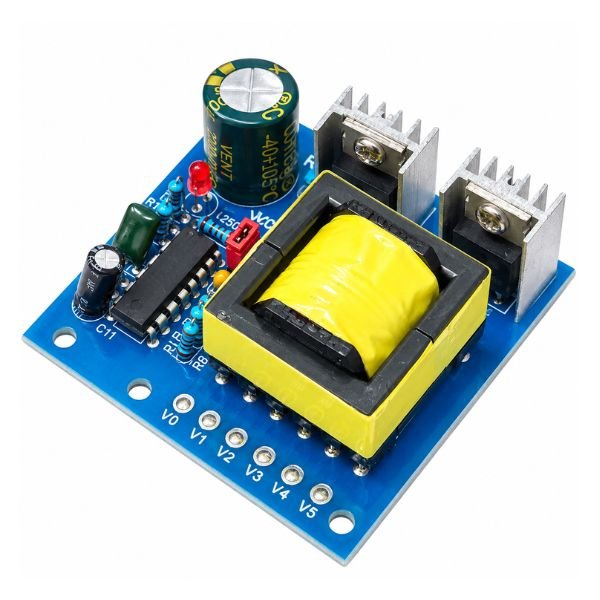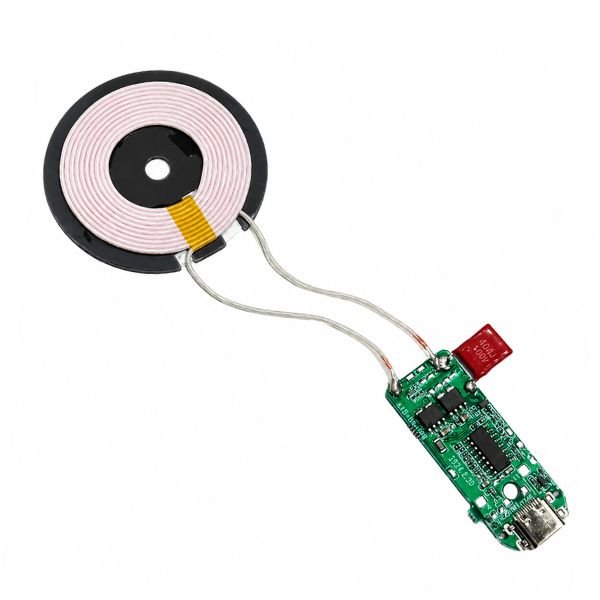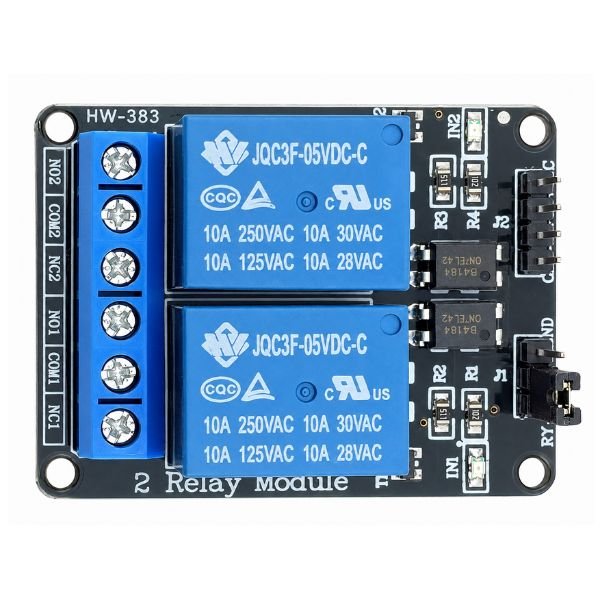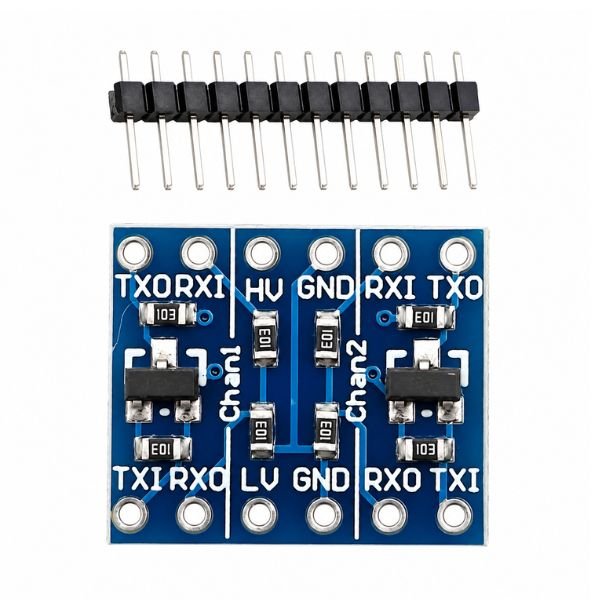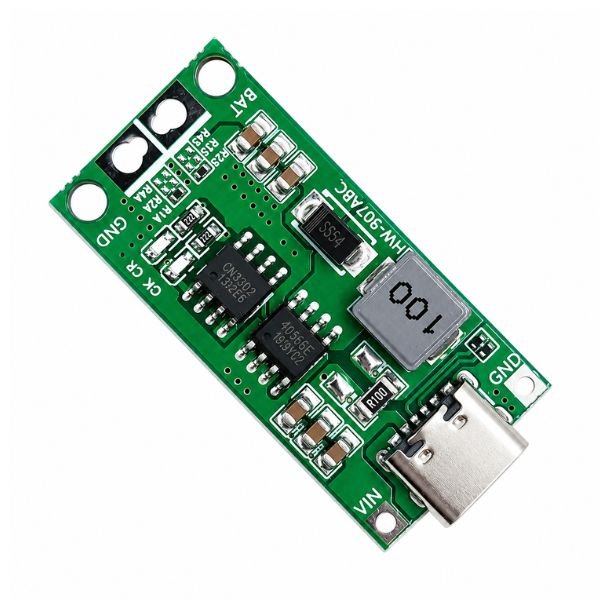





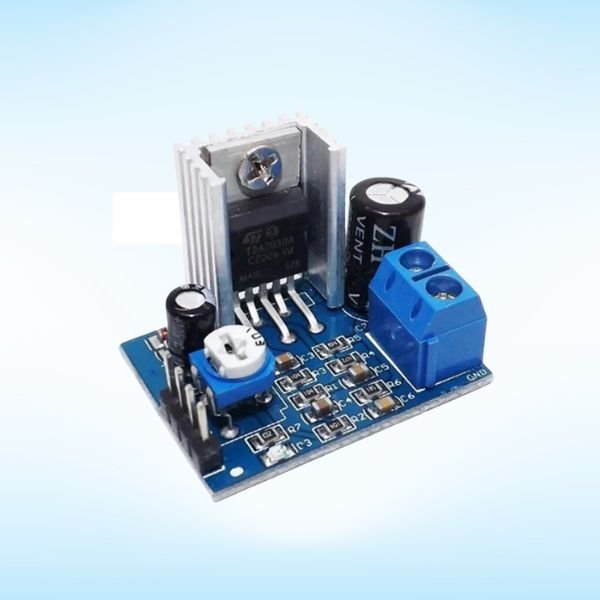
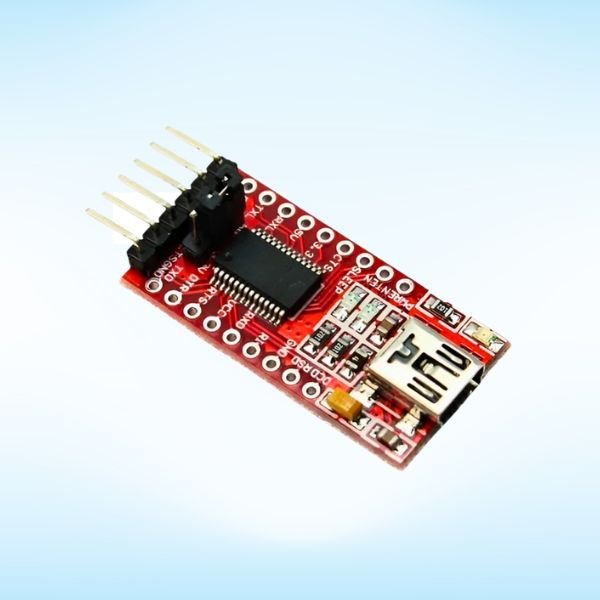
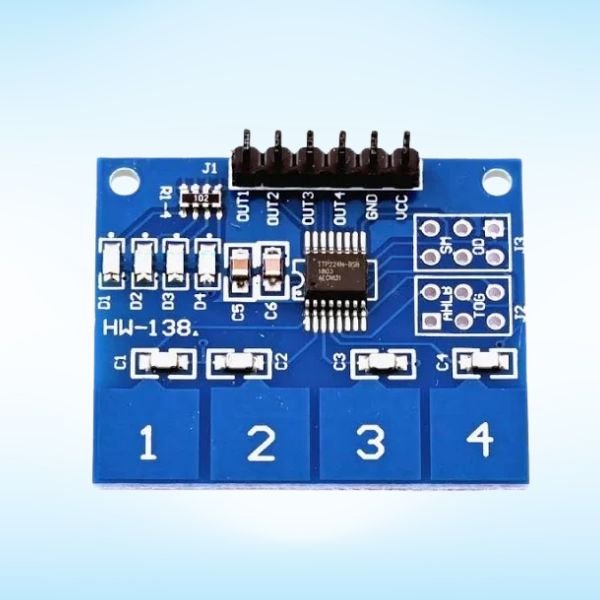
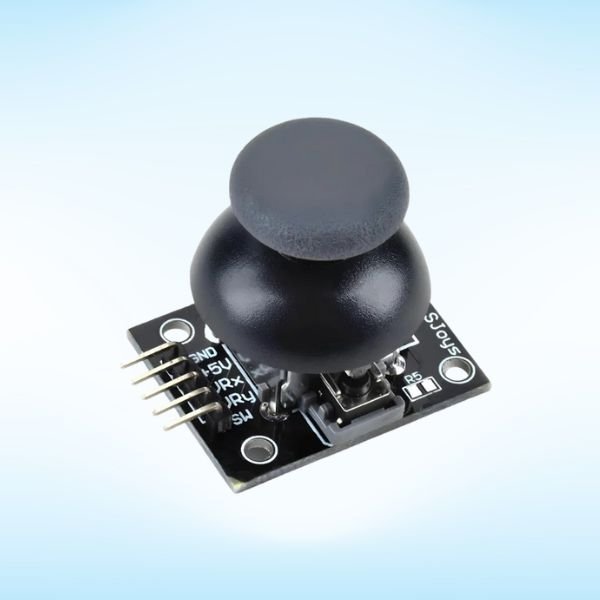
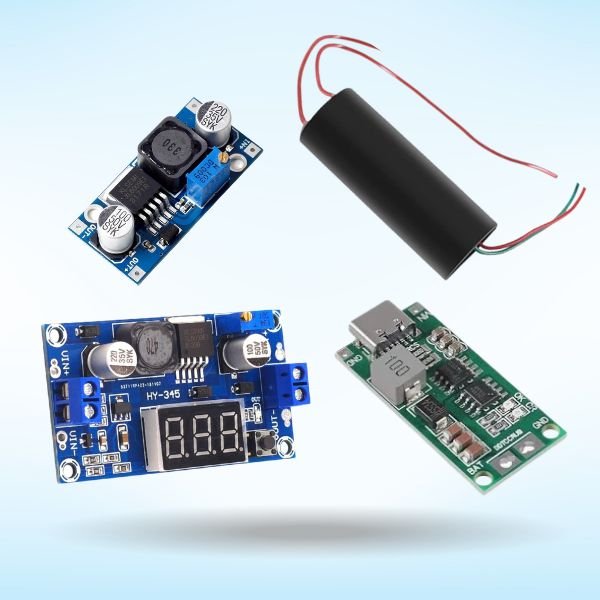
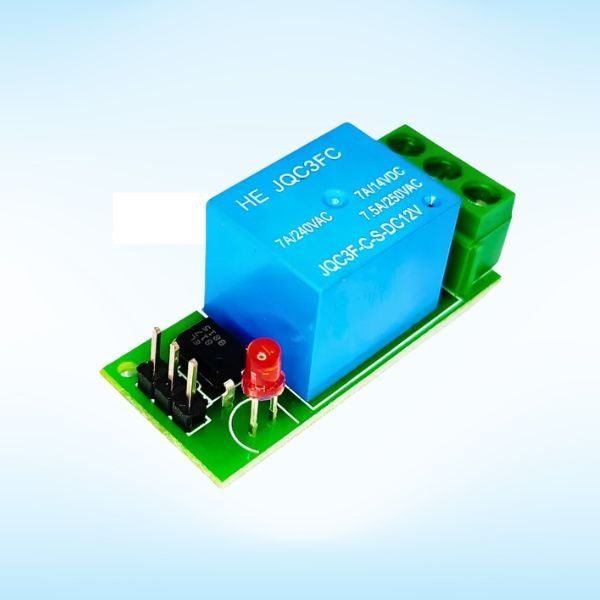
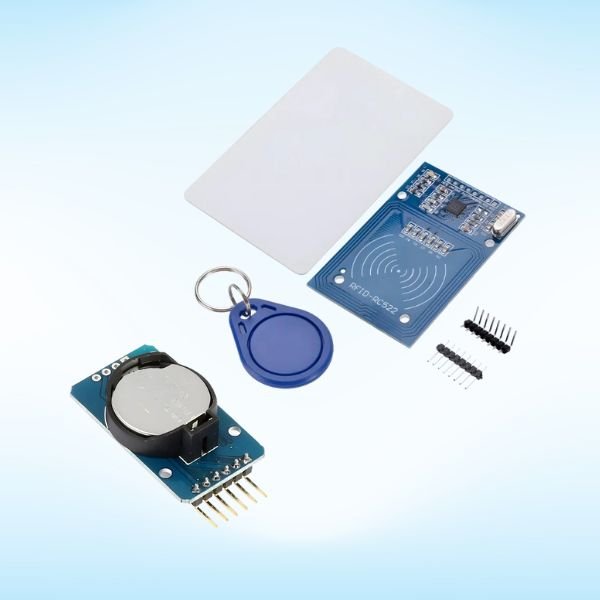
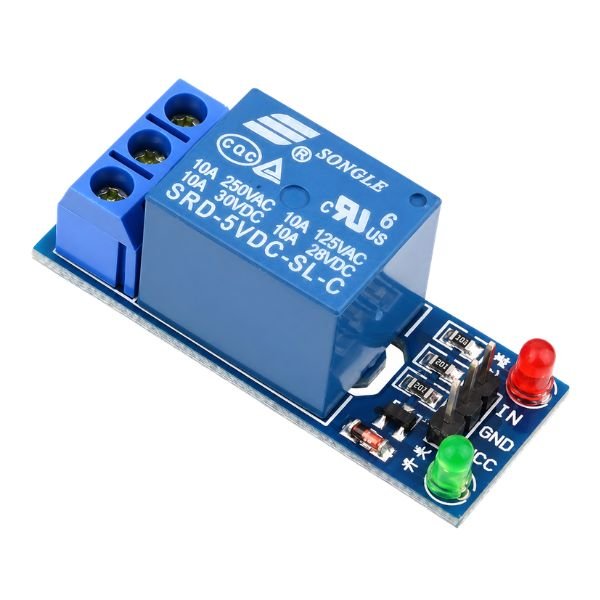
Electronics Modules are circuit boards that come with everything you need to add certain features to any microcontroller project without having to do any complicated wiring. This group includes relay modules, buck converters, RTC modules, audio modules, keypad modules, power modules, USB modules, and more. All of these work with Arduino, ESP32, and Raspberry Pi. Everything you need is here, from a 5V relay module for home automation to a DC-DC boost converter for controlling power. Prices include GST, and most orders ship within 12 hours.

Electronics Modules

Shop Electronics Modules Online in India

What are Electronics Modules?

Electronics modules are circuit boards that are already put together and do a specific job, like switching, timing, charging, amplifying, or sending messages. They connect to a microcontroller directly through standard pins. They save time and make circuits easier to understand than if you had to start from scratch to make the same function. In Indian labs, a common project is to use an Arduino relay module to safely turn a 230V AC appliance on and off with a low-voltage digital signal.

Types of Electronics Modules and How They Work

Electronics modules cover a wide range of functions grouped into clear categories. Power modules like buck converters, DC-DC boost converters, and 12V charging modules regulate voltage levels for different parts of a circuit. Relay modules and relay boards act as electrically controlled switches that let a  microcontroller control high-voltage loads. Audio modules including mini audio amplifiers, Bluetooth amplifier modules, and MP3 player modules handle sound output in projects. Interface modules like RTC modules, RFID readers, keypad modules, and USB modules add communication and input capabilities. Each module type solves a specific problem in a project without requiring external component assembly.

Parameter Power Module Relay Module Audio Module
Function Voltage Control Load Switching Sound Output
Input DC Voltage Digital Signal Audio/Serial
Common Use Power Supply Automation Speaker Projects
Difficulty Beginner Beginner Beginner

Electronics Modules Available at StemVolt

Applications of Electronics Modules

Electronics modules are used across almost every type of project built in India today. Relay modules and relay boards are the backbone of home automation systems that control lights, fans, and appliances through smartphone apps or timers. Buck converters and voltage booster modules regulate power supply in battery-operated IoT devices where stable voltage is critical. RTC modules keep accurate time in  attendance systems, data loggers, and industrial timers even when the main power is off. Audio amplifier modules and Bluetooth amplifier modules are widely used in DIY speaker projects and custom sound systems. Keypad modules and RFID readers add secure access control to college project builds and embedded security systems.

Explore More for Your Projects

How to Choose the Right Electronics Modules

Start by identifying exactly what function your project needs to add. For switching AC or DC loads, a relay module rated for the correct voltage and current is the right pick. For power regulation, choose between a buck converter for step-down or a DC-DC boost converter for step-up based on your input and output voltage requirement. For audio output, match the amplifier module power rating to your speaker impedance and wattage. Always check the operating voltage of any module before connecting to Arduino or ESP32. One practical tip - check whether the module communicates over I2C, SPI, or UART so you know which pins to use before starting your wiring.

Why Buy Electronics Modules from StemVolt

StemVolt is a trustworthy electronics parts store in India that sells a wide range of modules at prices that include GST. Before sending out any modules, we check their quality. Most orders are shipped within 12 hours, and you get a tracking ID after they are shipped. The range includes basic relay boards as well as more advanced audio and power modules.

Frequently Asked Questions

1. What is the difference between a buck converter and a boost converter?

A buck converter steps down voltage — for example, converting 12V to 5V for powering Arduino or sensors. A boost converter steps up voltage — converting 3.7V to 12V for motors or LED drivers. Both are DC-DC conversion modules that regulate output voltage efficiently. Choose based on whether your project needs a lower or higher output voltage than the input supply provides.

2. Which relay module is best for home automation projects?

The 2 Channel 5V Relay Module is the most common starting point for home automation. It can safely switch 230V AC loads and works directly with the digital output pins on Arduino and ESP32. There are 4- and 8-channel relay boards that let you control more than one appliance. Before plugging in high-power appliances, always compare the relay's current rating to the load current.

3. Are these modules compatible with Arduino and ESP32?

Yes. All of the electronics modules here can be used with the Arduino Uno, Nano, NodeMCU, and ESP32. Most modules use standard I2C, SPI, or UART to talk to each other. Depending on the type, power modules can take in between 3.3V and 12V. If you connect a module with a 5V logic output to an ESP32, it is best to use a logic level converter to keep the 3.3V GPIO pins safe.

4. What is the price range of electronics modules at StemVolt?

Basic modules like relay boards and buck converters cost between ₹20 and ₹80. Mid-range modules, like RTC modules, keypad modules, and audio amplifier boards, cost between ₹50 and ₹200. More advanced modules, such as USB adapters and RFID readers, cost more. When you check out, there are no extra fees, and all prices on the website include GST.

5. Can I return an electronics module if it stops working after delivery?

You can ask for a return or replacement within four days of getting a module that is broken or not working right. The module needs to be in its original box and not have been used. You also need to include the bill. We will not pay for damage caused by bad wiring, too much voltage, a short circuit, or soldering. You can get help with the return process by emailing support@stemvolt.in or calling +91 8078638838 within four days.