







Force, Flex and Load Sensors measure physical forces, bending angles, weight, and pressure and convert them into electrical signals a microcontroller can read. From flex sensor arduino projects to industrial load cell sensors and force pressure modules, these suit robotics, wearables, and automation builds. Best price guaranteed with fast delivery across India.
Showing all 10 results
Filter by price
Force, Flex and Load Sensor
What are Force, Flex and Load Sensors?
Force, Flex and Load Sensors are physical measurement modules that convert mechanical inputs like bending, pressing, and weight into proportional electrical signals. A flex sensor changes resistance as it bends. A load cell sensor generates a tiny voltage proportional to the applied weight. A force pressure sensor outputs analog voltage based on how hard a surface is pressed. A popular example in Indian college projects is using a flex sensor to build a gesture-controlled robot hand.
Force, Flex and Load Sensors Available at StemVolt
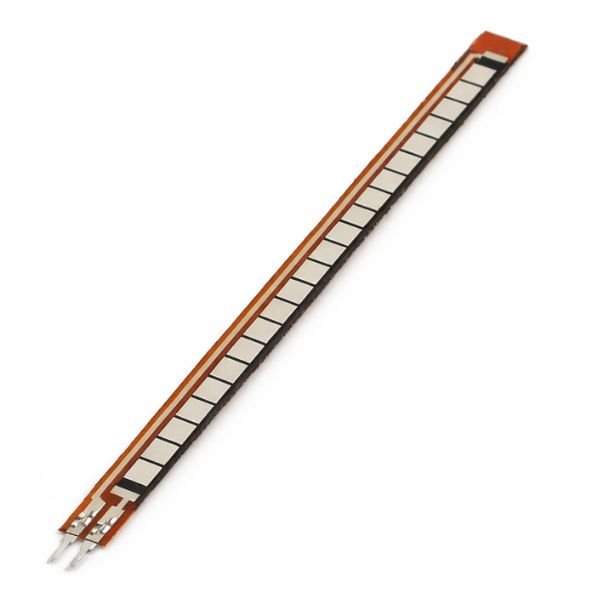
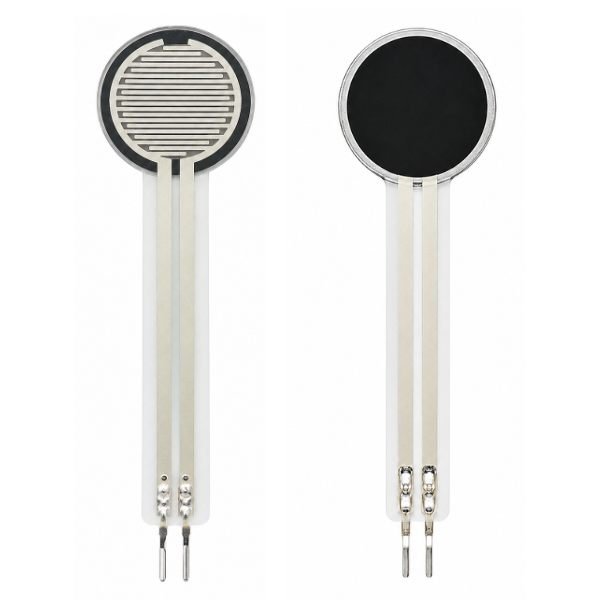
- 4.5 Inch Flex Sensor — Changes resistance with bend angle, used in glove controllers and gesture input builds
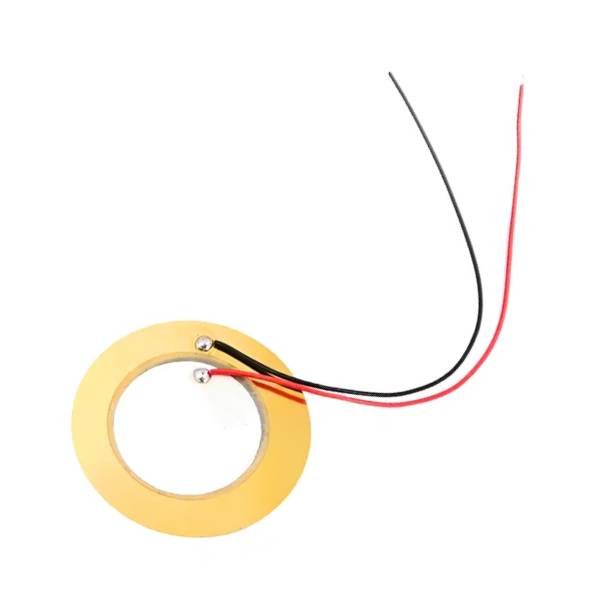
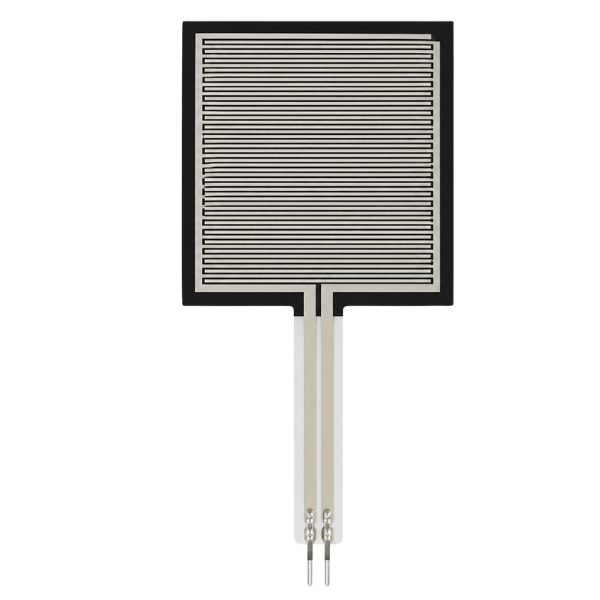
- Square Force Pressure Sensor Module — Detects touch force and pressure on flat surfaces for interactive and safety systems
- Load Cell Sensor 5kg — Accurate weight sensor module for digital weighing scale and load monitoring builds
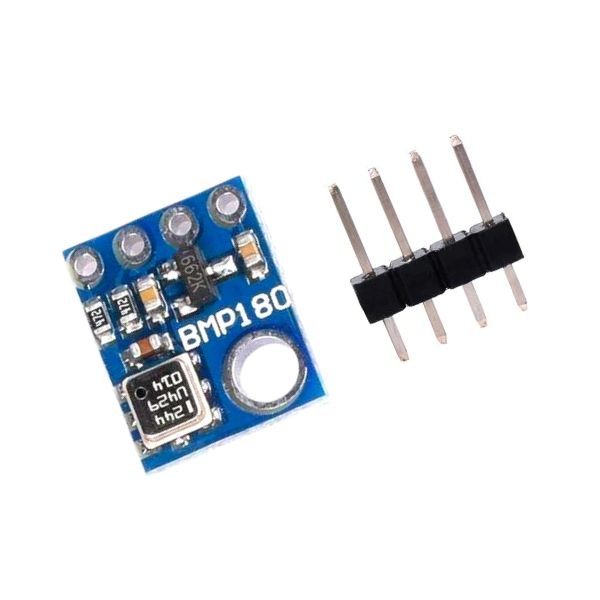
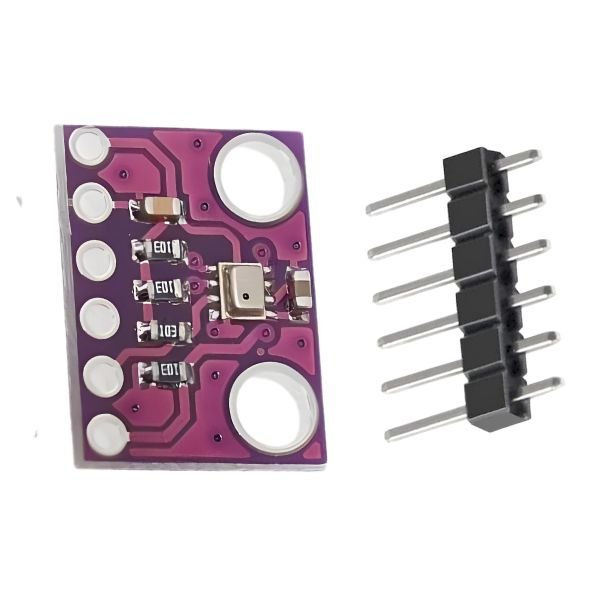
- BMP280 Barometric Pressure Sensor — Measures atmospheric pressure and altitude over I2C, used in weather and drone altitude projects
Explore More Categories
- Also explore: ESP Boards – ESP32 and NodeMCU
- Also explore: Relay Modules – 5V, 12V Relay Boards
- Also explore: Soldering Tools – Irons, Stations, Accessories
- Explore More for Your Projects: Choosing the Right Temperature Sensor & IoT Sensors
How to Choose the Right Force, Flex and Load Sensors
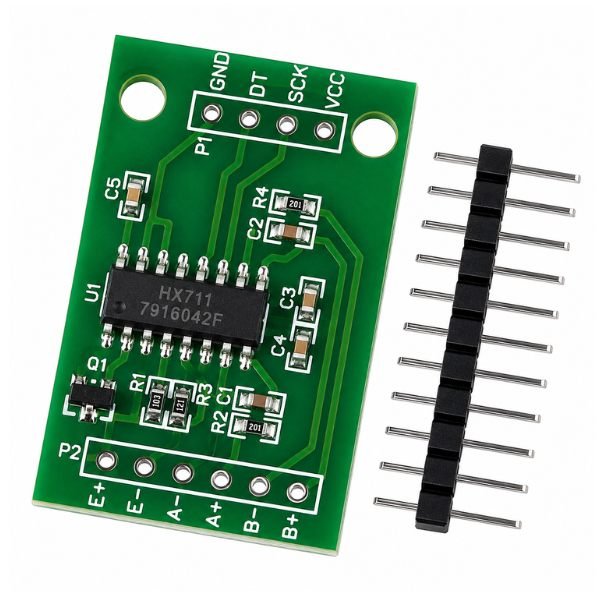
Match the sensor to the type of physical input your project measures. For finger or joint bend angle measurement, a flex sensor arduino setup is the most direct approach. For weighing objects, a load cell sensor with an HX711 amplifier module is the standard combination. For detecting touch or applied pressure on a surface, a force pressure sensor suits better than a load cell. One practical tip: load cells are sensitive to off-axis loading, so always mount them on a flat rigid surface aligned with the force direction for accurate and repeatable readings.
Why Buy Force, Flex and Load Sensors from StemVolt
India's fastest-growing electronics components store, based in Kota, Rajasthan. We deliver genuine, quality-verified components at unbeatable prices - with fast dispatch, reliable support, and cash on Delivery available. Thousands of customers trust StemVolt. Now it's your turn.
FAQ SECTION
Frequently Asked Questions
1. What is the flex sensor working principle and how does it output data?
A flex sensor works on the principle of resistive change. The sensor contains a conductive film printed on a flexible substrate. When the sensor bends, the conductive particles separate slightly and resistance increases. This resistance change is read by connecting the sensor in a voltage divider circuit with a fixed resistor. The analog voltage output changes with bend angle and is read directly through an Arduino analog input pin.
2. What is the load cell sensor working principle and what extra components does it need?
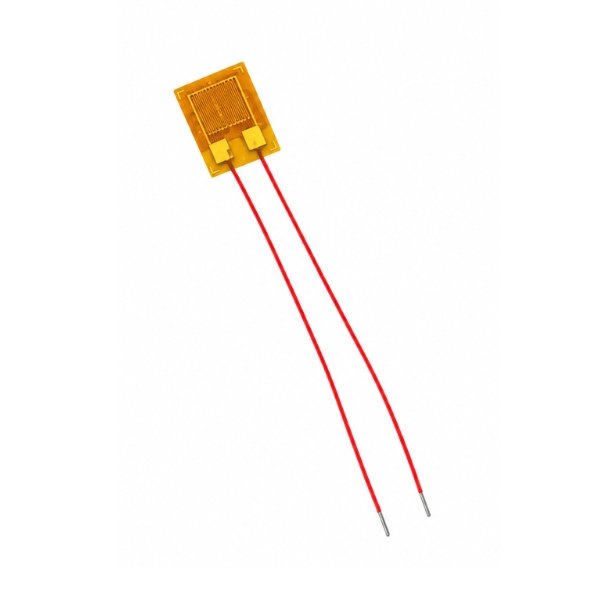
A load cell sensor works on the principle of strain gauge deformation. When weight is applied, tiny metal elements inside the cell deform microscopically. This deformation changes the resistance of bonded strain gauges in a Wheatstone bridge configuration, producing a very small differential voltage proportional to the load. Because the output signal is in millivolts, a HX711 amplifier module is always needed between the load cell and Arduino to amplify the signal to a readable level.
3. Are flex sensors and force sensors compatible with Arduino and ESP32?
Yes. Flex sensors output analog resistance change and connect through a voltage divider to any Arduino or ESP32 analog input pin. Force pressure sensors also output analog voltage directly readable on ADC pins. Load cells with HX711 modules use two digital pins for clock and data communication. All these sensor types are supported by well-maintained Arduino libraries that simplify data reading and calibration setup.
4. Which sensor is best for building a digital weighing scale project?
A load cell sensor paired with an HX711 amplifier module is the standard choice for digital weighing scale builds. Load cells are available in different weight capacities from 1kg to 100kg. For a basic college project scale, a 5kg load cell with HX711 and a 16x2 LCD display is a complete and well-documented setup. Strain gauge load cells give far more accurate and stable readings than simple force pressure sensors for weight measurement applications.
5. How do I calibrate a load cell sensor with HX711 for accurate weight readings?
Connect the HX711 module to Arduino and install the HX711 library from Arduino IDE library manager. Upload the calibration sketch and record the raw output with no load applied. Then place a known reference weight on the load cell and record that raw value. Calculate the calibration factor by dividing the difference in raw values by the known weight. Enter this factor in your main sketch and the scale will display accurate weight readings in grams or kilograms.