



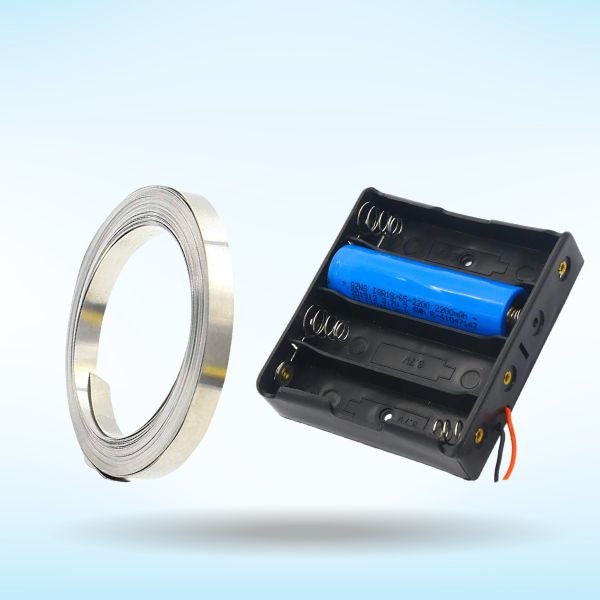
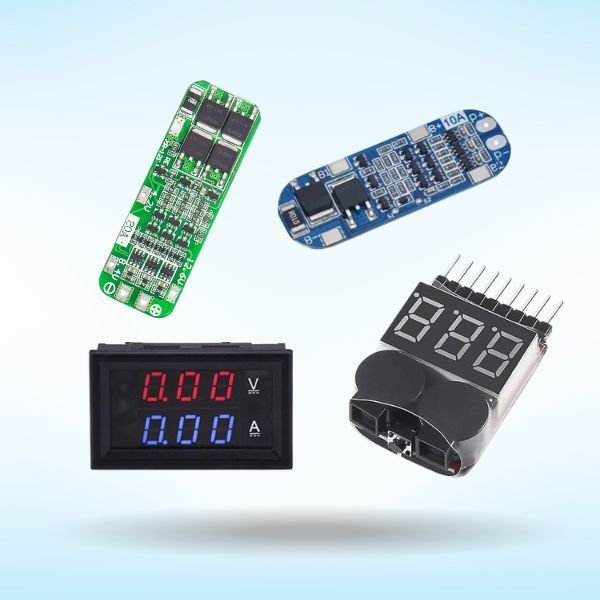
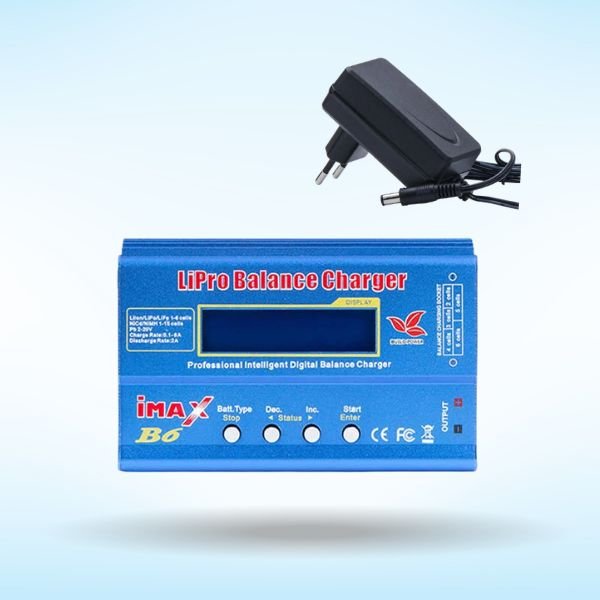
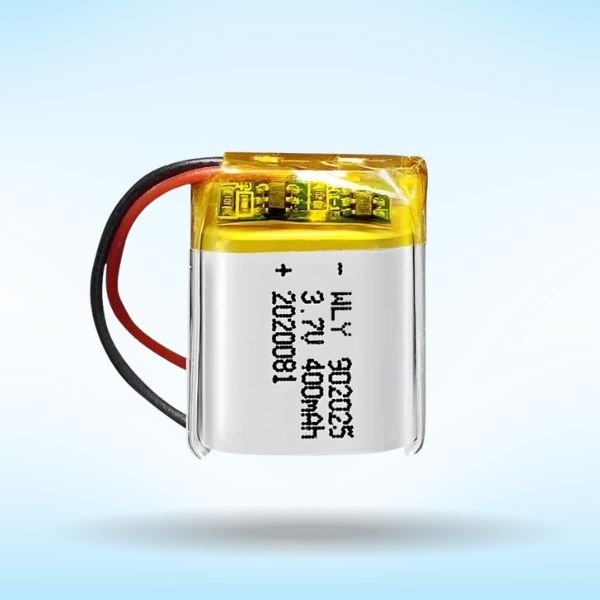
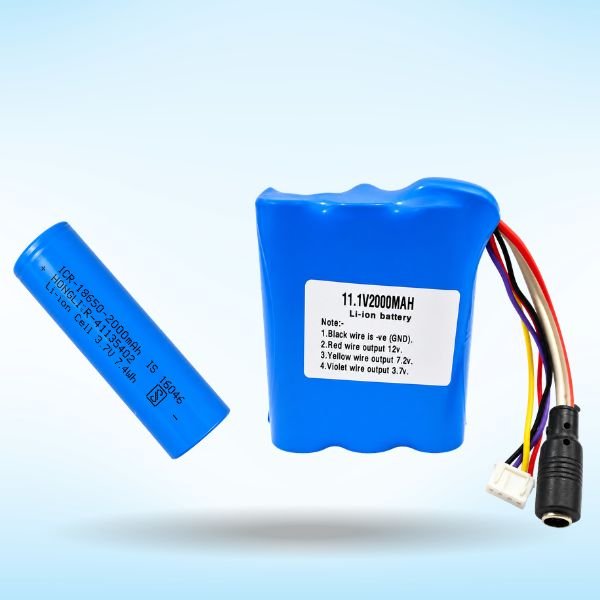
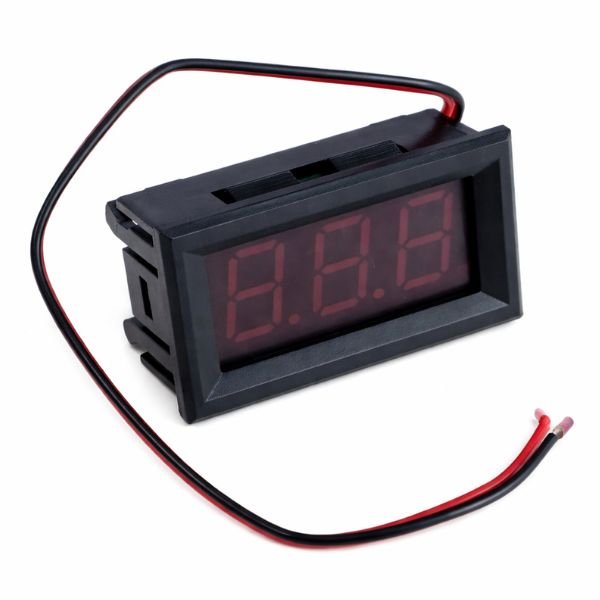
Batteries and Power Supply components are the energy foundation of every electronics project. This category covers lithium ion batteries, LiPo batteries, BMS protection boards, AC-DC adapters, battery holders, nickel strips, voltage testers, and wire connectors — all compatible with Arduino, ESP32, and Raspberry Pi powered systems. Whether  you need a 3.7V lithium battery for a portable build or a 12V lithium ion battery pack for a robot, everything is here. Prices include GST and most orders ship within 12 hours.

Batteries and Power Supply

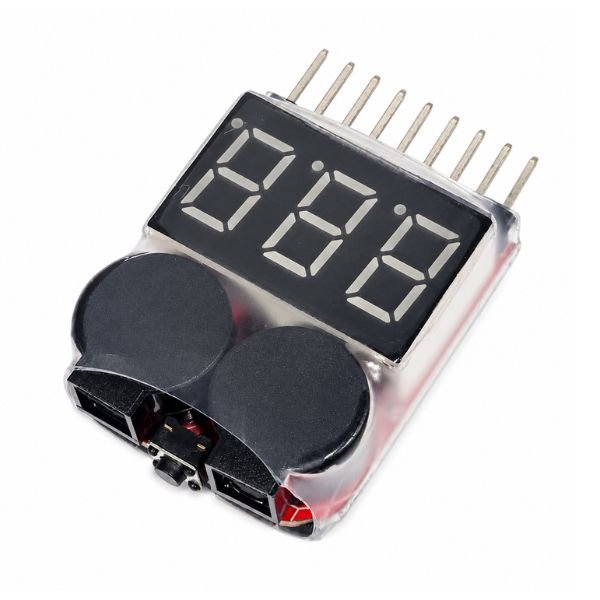
1-8S Lipo Battery Voltage Tester

In stock

120.00
SKU: BPS-BV010

1000 KV High Voltage Booster Module

In stock

Original price was: ₹225.00.Current price is: ₹179.00.
SKU: ELM-PC003

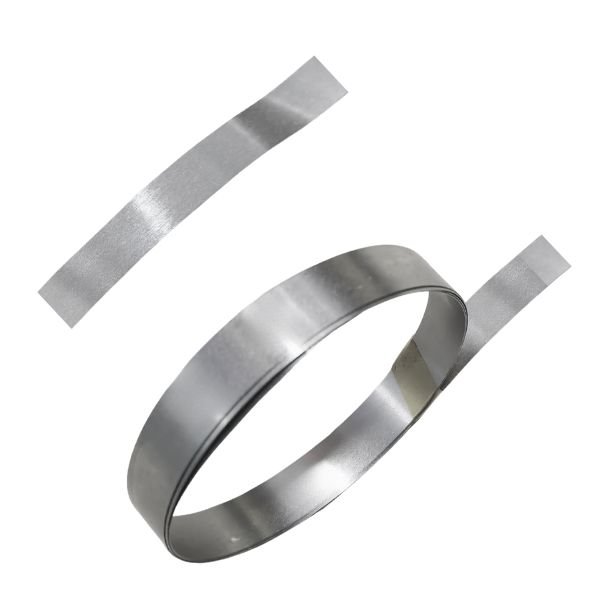
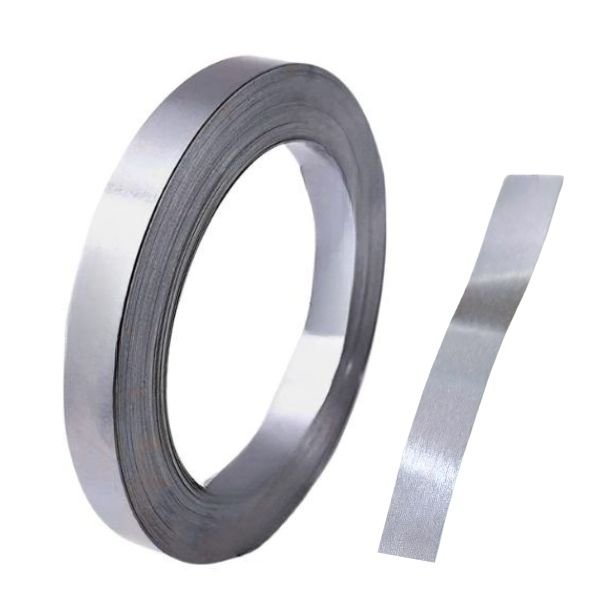
10mm Nickel Plated Strip 1 Meter For Battery Pack Assembly

In stock

Original price was: ₹35.00.Current price is: ₹25.00.
SKU: BPS-BA005

10mm Nickel Plated Strip 10 Meter For Battery Pack Assembly

In stock

Original price was: ₹250.00.Current price is: ₹190.00.
SKU: BPS-BA004

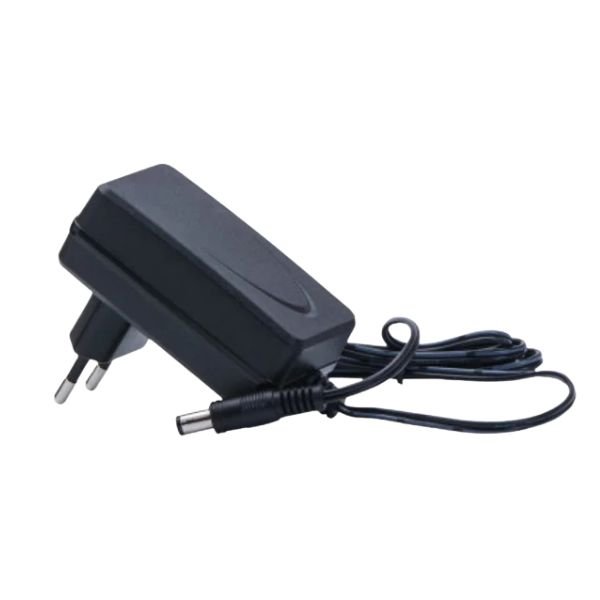
12V 1A DC Power Supply Adapter

In stock

110.00
SKU: BPS-CA009

Buy Batteries and Power Supply Online

What are Batteries and Power Supply Components?

Batteries hold electrical energy and let it out to power a circuit. Adapters, BMS boards, and  Battery holders are all parts of a power supply that help keep battery-powered systems safe while they charge, control the voltage, and protect the current. Even the best circuit will not work right if the power is not set up right. A real-world example from Indian robotics builds is a 3S LiPo battery and a BMS protection board that work together to keep a robot chassis powered while keeping the cells from being overcharged or over-discharged.

Types of Batteries and Power Supply Components

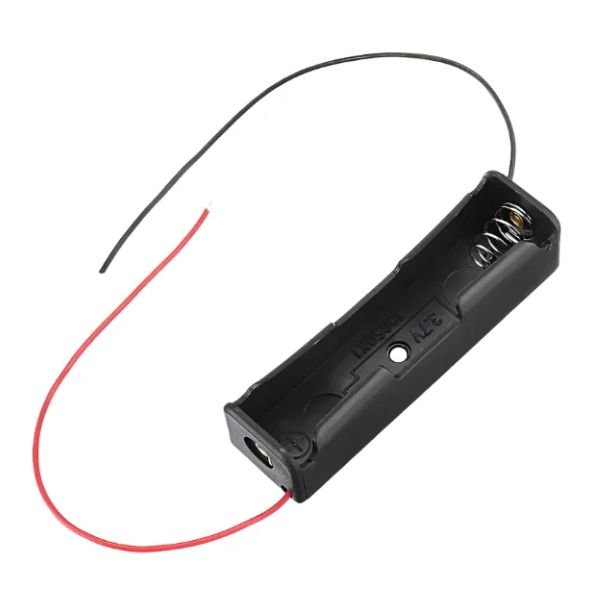
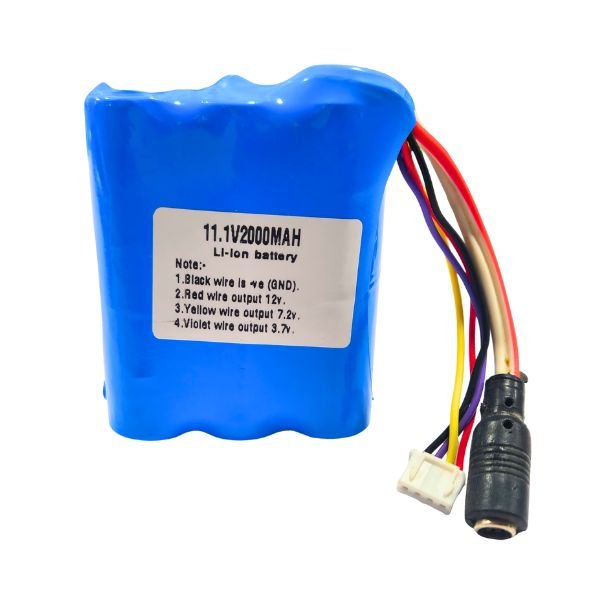
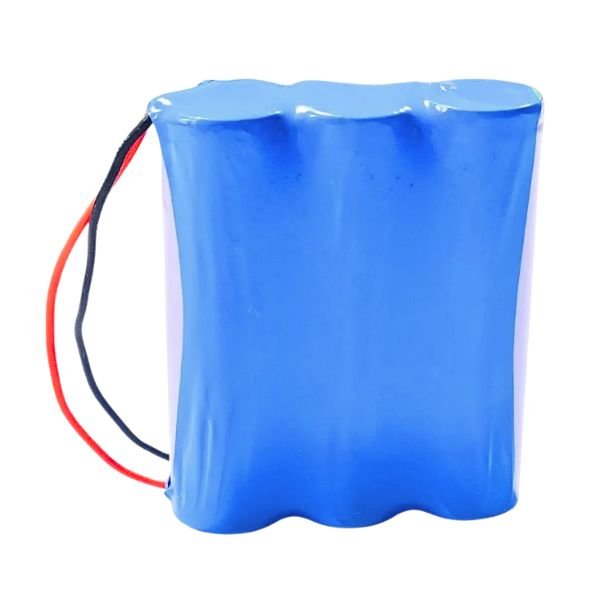
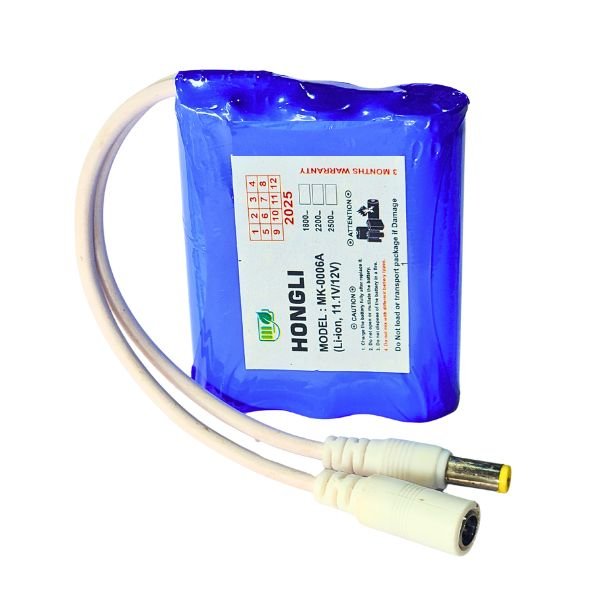
Batteries used in electronics projects fall into three main types based on chemistry and application. Lithium-ion batteries including the popular 18650 cell are widely used for portable devices, robots, and power banks because of their high energy density and rechargeability. Li polymer batteries or LiPo batteries deliver high discharge current in a flat lightweight form — preferred in drones and FPV builds where weight matters. Rechargeable lithium batteries in standard pack configurations like 11.1V or 12V lithium ion battery packs power Arduino projects, embedded systems, and motor-driven builds. Supporting components like  BMS boards, battery holders, nickel battery strips, and voltage testers keep these battery systems safe and functional.

Parameter Li-Ion 18650 LiPo Battery Li-Ion Pack
Form Cylindrical Cell Flat Pouch Multi-cell Pack
Discharge Rate Medium High Medium-High
Best Use Power Banks, Robots Drones, FPV Embedded, Motors
Voltage 3.7V per cell 3.7V per cell 7.4V to 14.8V

Batteries and Power Supply Products Available at StemVolt

Applications of Batteries and Power Supply Components

Power supply components are used in every project that runs without a fixed wall connection. Lithium ion battery packs power autonomous robots and mobile embedded systems that need hours of uninterrupted operation. LiPo batteries are the standard power source in FPV drones and RC vehicles where light weight high-discharge energy delivery matters. In IoT projects deployed across remote locations in India, solar-charged lithium battery systems with BMS protection boards maintain continuous operation  without manual intervention. Battery holders and 18650 cell holders simplify custom power bank assembly for portable Arduino and ESP32 projects. Nickel battery strips are used in custom cell pack builds where individual cells are spot-welded together for higher voltage and capacity.

Browse Related Products

How to Choose the Right Batteries and Power Supply

Start by calculating your project's voltage and current requirement. Most Arduino builds run on 5V to 12V and need low discharge current - a standard 12V lithium ion battery pack or AC-DC adapter works well. For drones and  high-current motor builds, choose a 3S LiPo battery with a C-rating that matches your motor's peak amp draw. Always add a BMS protection board when building custom Li-Ion packs — it prevents dangerous overcharge and cell damage. One practical tip - use a battery voltage tester to check cell health before every project run, especially with older rechargeable lithium batteries.

Why Buy Batteries and Power Supply from StemVolt

StemVolt is a trusted electronics components store in India carrying a tested range of batteries, adapters, and power accessories at  GST-included prices. Every product is quality verified before dispatch. Most orders ship within 12 hours and a tracking ID is shared after dispatch. The range covers single cells to complete battery pack components.

Frequently Asked Questions

1. What is the difference between a lithium ion battery and a LiPo battery?

They both use lithium chemistry, but they are different in shape and how much power they can give off. 18650 cells and other lithium ion batteries are cylindrical and work well in portable devices, robots, and power banks. Li polymer batteries are flat pouches that can give off more current while weighing less. They are best for drones and FPV builds. A standard lithium ion battery pack is the better option for most Arduino and embedded projects.

2. Do I need a BMS board for my battery pack?

Yes, always. A battery BMS protection board prevents overcharging, over-discharging, and short circuits in lithium cell packs. Without BMS protection, lithium cells can overheat or get permanently damaged from voltage imbalance. For any custom 18650 pack build, always include a BMS board rated slightly above your maximum discharge current. It is a small cost that protects a much larger battery investment.

3. Which battery is best for powering an Arduino robot project?

For most Arduino robot builds, an 11.1V lithium ion battery pack or a 3S LiPo battery are the most practical choices. They provide enough voltage to run motors and an Arduino board simultaneously. Pair the battery with a BMS protection board and a step-down module to regulate clean 5V for the Arduino. Check motor current draw before selecting battery capacity to ensure enough runtime.

4. How fast is delivery and what are the shipping charges?

Most orders are dispatched within 12 hours of confirmation, except Sundays and public holidays. Standard delivery takes 3 to 8 days depending on your location. Free shipping applies on orders above ₹999. A flat ₹89 charge applies below ₹999. A tracking ID is shared after every dispatch for real-time order monitoring across India.