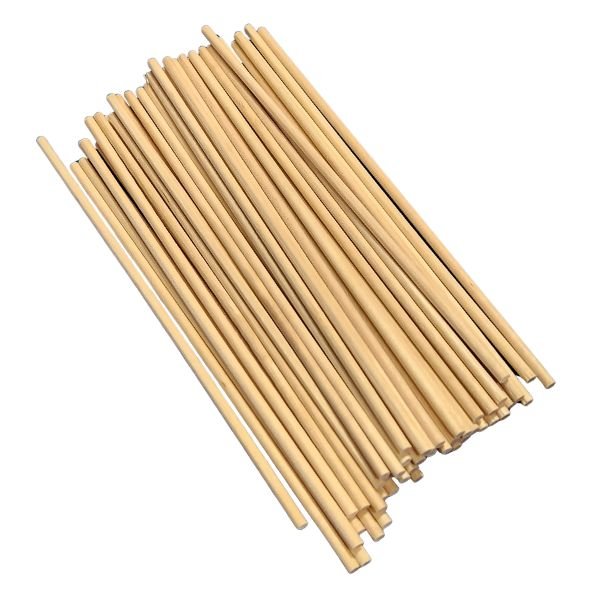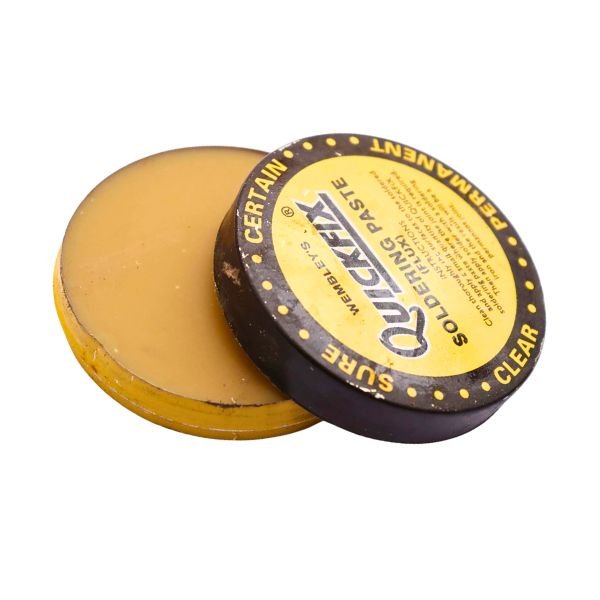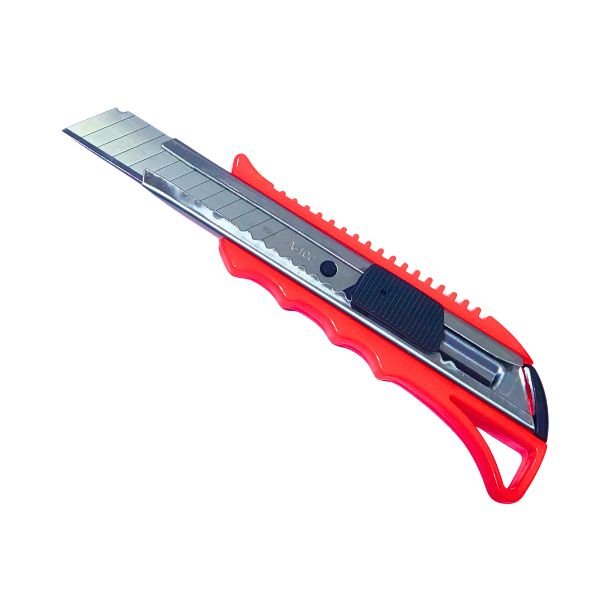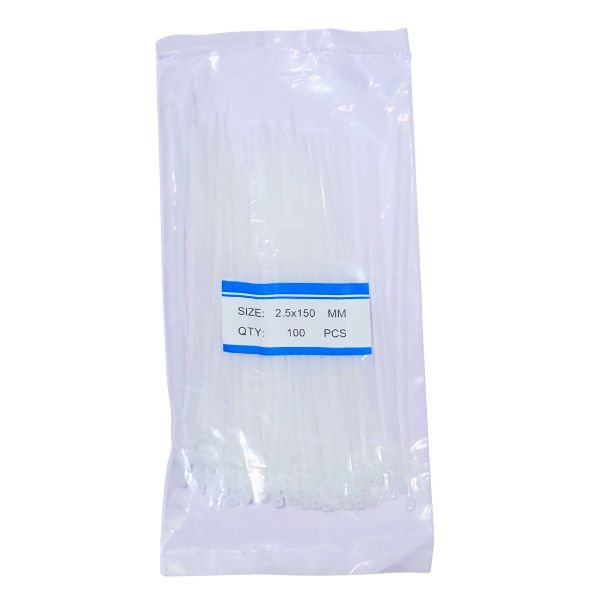



Tools and equipment are what make a good electronics idea into a real project. This group includes everything you need to build, test, and fix electronics projects, like soldering irons, digital multimeters, glue guns, screwdriver sets, wire strippers, desoldering tools, and helping hands. Everything you need is here, from a temperature-controlled soldering iron for precise PCB work to a mini multimeter for quick circuit testing. Prices include GST, and orders are sent out quickly all over India.
Filter by price
Tools & Equipment
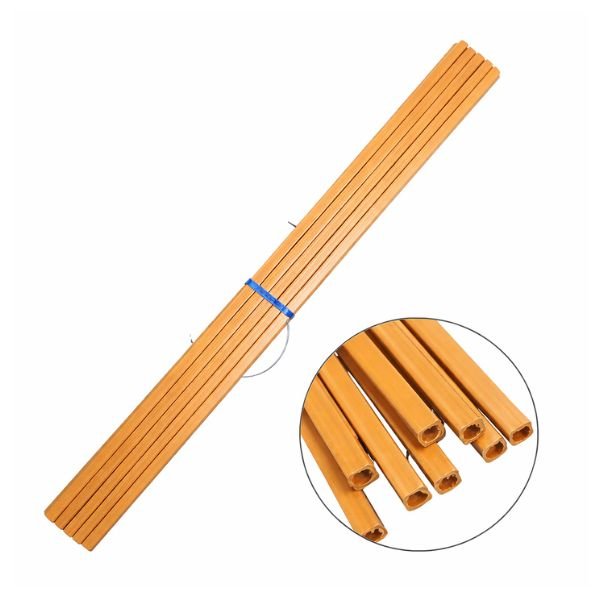
10mm Square PVC Patti Length 2 Feet (Pack of 12)
In stock
Buy Tools & Equipment Online in India | StemVolt
What are Tools and Equipment?
Electronics tools are the actual tools used to put together, solder, measure, and fix circuit boards and project parts. Even simple tasks like soldering a header pin or measuring voltage can be hard and full of mistakes if you do not have the right tools. One example of how Indian college labs use a temperature-controlled soldering iron and a digital multimeter together is to put together parts on a PCB and then check the voltage and continuity.
Different kinds of tools and equipment and how they work
There are three main types of electronics tools based on what they do. Soldering tools like soldering irons, soldering machines, soldering guns, and desoldering irons are used to connect and disconnect parts from PCB boards. When working near heat-sensitive parts, a temperature-controlled soldering iron lets you control the heat very precisely. Digital multimeters and automatic multimeters are examples of measurement tools that can test voltage, current, resistance, and continuity in live circuits. One of the first things any project builder should buy is a good digital multimeter. During project builds, assembly and finishing tools like screwdriver sets, wire strippers, glue guns, and helping hands take care of putting things together, getting wires ready, and positioning components.
| Parameter | Soldering Tools | Measurement Tools | Assembly Tools |
|---|---|---|---|
| Function | Join/Remove Parts | Test Circuit | Build/Fix |
| Key Item | Soldering Iron | Digital Multimeter | Screwdriver Set |
| Skill Level | Beginner | Beginner | Beginner |
| Used When | Assembly | Testing | Throughout |
Tools and Equipment Available at StemVolt
- Siron 60W Temperature Controlled Soldering Iron — Precise heat-controlled soldering iron for PCB soldering and component assembly work
- Adjustable Wire Stripper Tool Multitec MT-02DX — Strips wire insulation cleanly across multiple wire gauges for neat project wiring
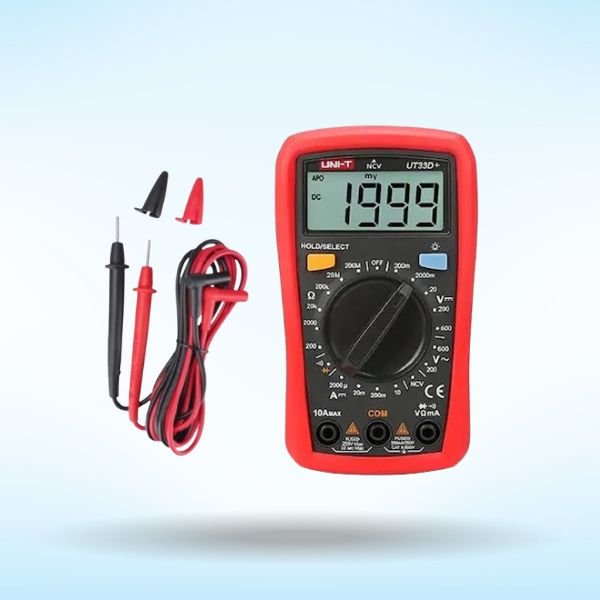
- Digital Multimeter — Measures voltage, current, resistance, and continuity — most used electronics tool in any workshop
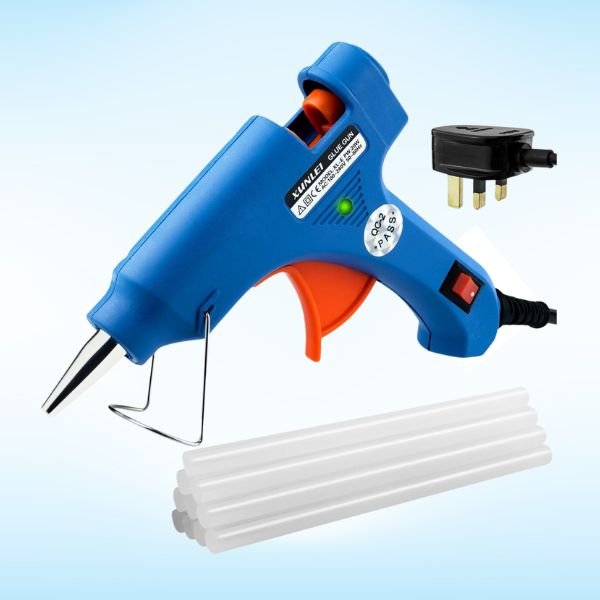
- Siron Eco 60W Hot Melt Glue Gun — Strong adhesive bonding for chassis assembly, sensor mounting, and DIY project builds
- Multifunction Soldering Helping Hand — Holds PCB and components in place during soldering for cleaner and safer work
- Precision Screwdriver Set — Small screwdriver set for opening enclosures, tightening PCB standoffs, and assembly tasks
- Desoldering Iron — Removes solder cleanly from PCB pads for component replacement and rework tasks
Applications of Tools and Equipment
Electronics tools are used at every stage of project building — from first prototype to final assembly. Soldering irons are used in school and college lab sessions across India for assembling circuits on zero PCB and through-hole component soldering. Digital multimeters help debug faulty circuits by checking voltage levels, resistance values, and broken connections without guesswork. Glue guns secure sensors, modules, and wires to robot chassis and project enclosures quickly and cleanly. Wire strippers prepare cable ends for terminal block connections in home automation and panel wiring builds. Screwdriver sets and helping hands make precision work on small PCBs and enclosures manageable for builders at any skill level.
Build Smarter with These Categories
- Also explore: Connectors and Cables – JST, XT60, Jumper Wires
- Also explore: Motors and Motor Drivers – DC, Servo, Gear
- Also explore: Screwdrivers and Tool Kits
- Also explore: Electronic Components – Resistors, ICs, PCB Boards
How to Choose the Right Tools and Equipment
Begin with the tools that your project really needs at this time. For any build that involves soldering, a soldering iron with a temperature control that uses between 25W and 60W is good for most PCB and through-hole work. Cheap fixed-temperature irons can get too hot and hurt pads on fine-pitch parts, so do not use them. Any digital multimeter with auto-range is faster than one with manual-range for testing. You do not need to buy separate drivers if you have a screwdriver set with interchangeable bits. One useful piece of advice is to get a soldering helping hand early on in your electronics journey. It lets you use both hands for soldering and stops parts from moving around and burning you.
Why Buy Tools and Equipment from StemVolt
StemVolt is a reliable electronics tools store in India that sells soldering tools, multimeters, and assembly equipment that have been tested for quality. Prices include GST. You can track your orders in real time as they are shipped all over India. You can pay cash on delivery for orders up to ₹5000. The support team is ready to help you choose the right tools for any project.
FAQ SECTION
Frequently Asked Questions
1. Which soldering iron is best for beginners working on Arduino projects?
For beginners, a temperature-controlled soldering iron that uses 40W to 60W is the safest place to start. Fixed-temperature irons are less expensive, but they tend to get too hot and hurt PCB pads and other sensitive parts. The Siron 60W Temperature Controlled Soldering Iron lets you change the amount of heat it gives off, so you can use it for both through-hole and SMD work. When soldering, always use a helping hand to hold your PCB steady.
2. What is the difference between a soldering iron and a desoldering iron?
A soldering iron heats up solder and connects parts to a PCB. A desoldering iron, on the other hand, heats up and takes solder off of PCB pads so that components can be moved or replaced. A soldering iron is all you need for most project building. When you need to fix soldering mistakes or replace a broken part without hurting the board, a desoldering iron or pump comes in handy.
3. Which digital multimeter is recommended for electronics hobbyists and students? Beginners and hobbyists should get an auto-range digital multimeter because it is the best option. It picks the right measurement range on its own, which saves time when testing circuits. At the very least, a multimeter should be able to measure DC and AC voltage, resistance, continuity, and diode test. A mini multimeter is good for simple tests, but a full-size automatic multimeter is better for use in labs and workshops on a regular basis..
4. Can schools and colleges place bulk orders for soldering tools and equipment?
Yes. StemVolt fully supports bulk orders from schools, colleges, ATL Labs, PM SHRI Labs, and electronics training centers. You can order a lot of soldering iron sets, multimeters, and tool kits for lab setups. When you check out, you must enter the correct GST information for GST billing. This information cannot be changed after the invoice is created. For bulk pricing and delivery across India, please get in touch with the support team.
5. Is a glue gun useful for electronics project builds?
A hot melt glue gun is one of the most underrated tools in an electronics workshop, yes. It is used to attach sensors to robot chassis, fix wires inside enclosures, mount modules to project boxes, and bond light mechanical parts without drilling or screws. You can find glue gun sticks easily and they do not cost much. The Siron Eco 60W Glue Gun heats up quickly and is great for putting together most robotics and DIY projects.