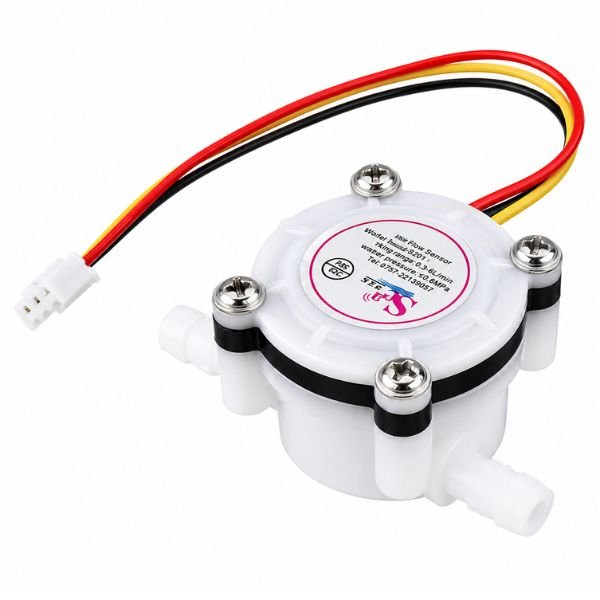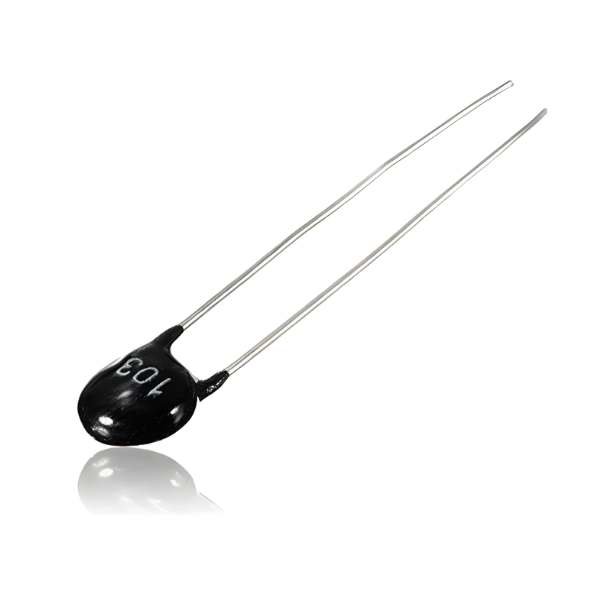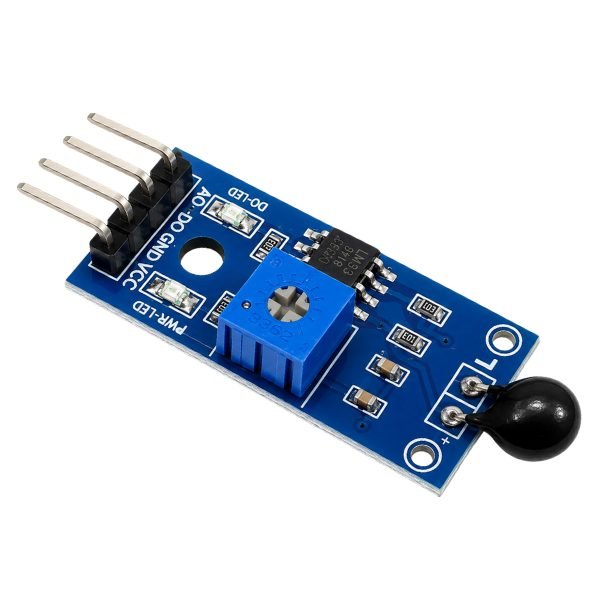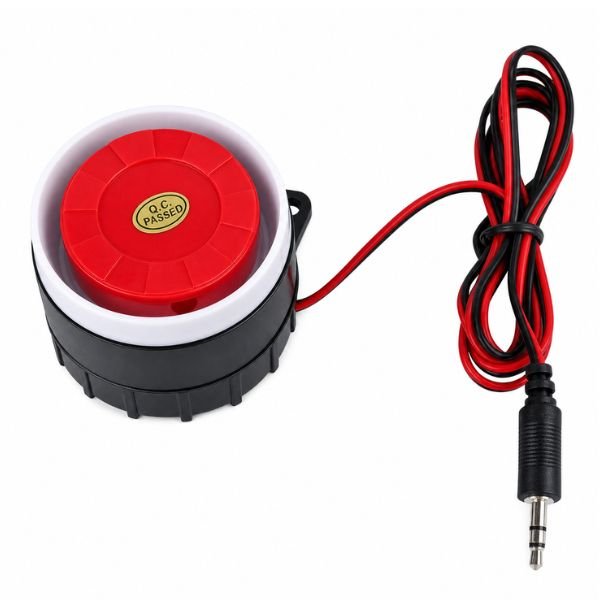







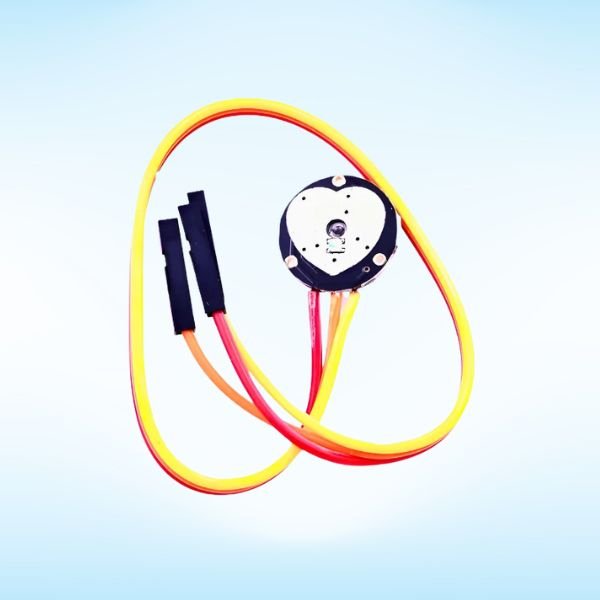
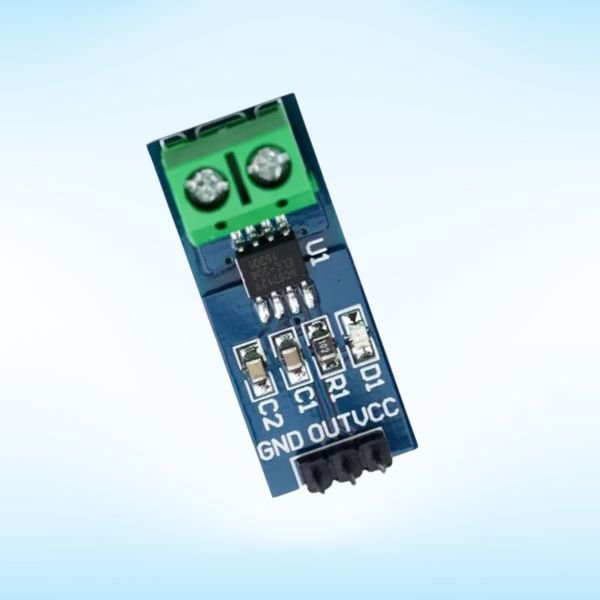
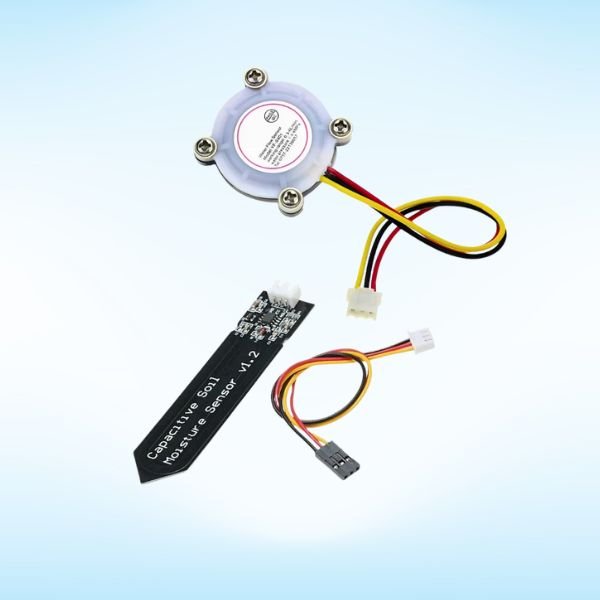
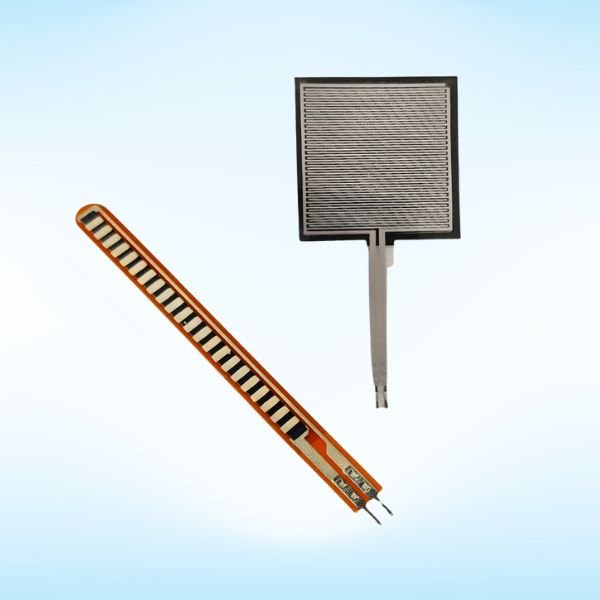
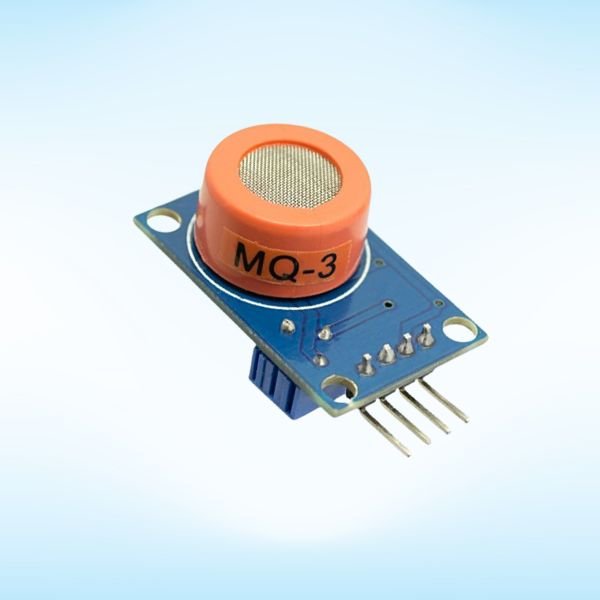
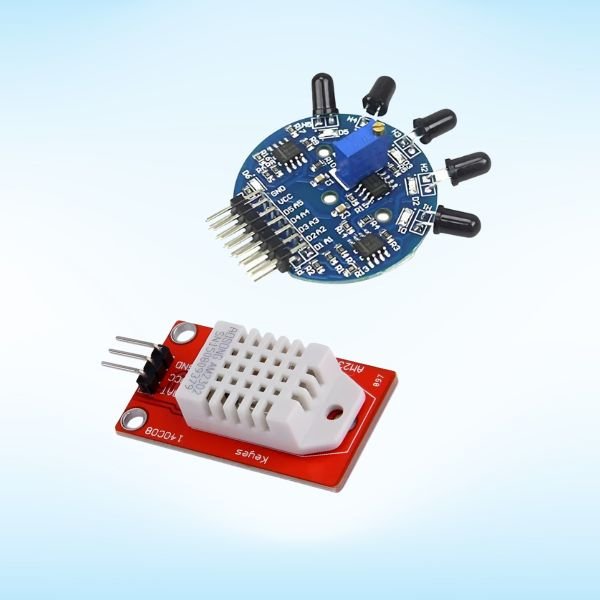
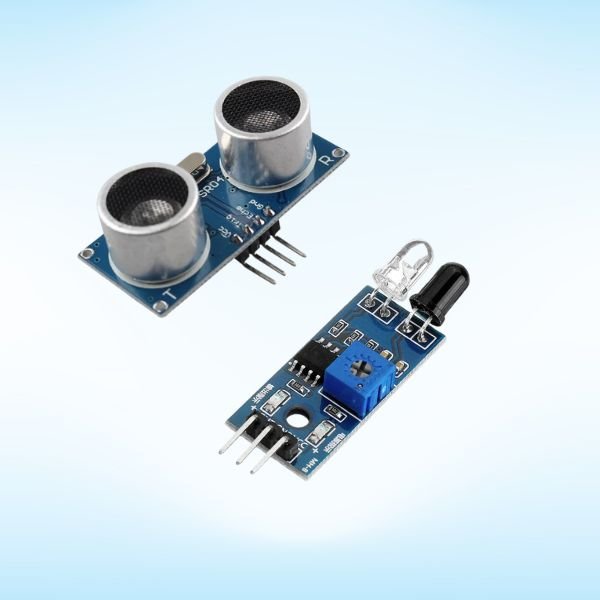
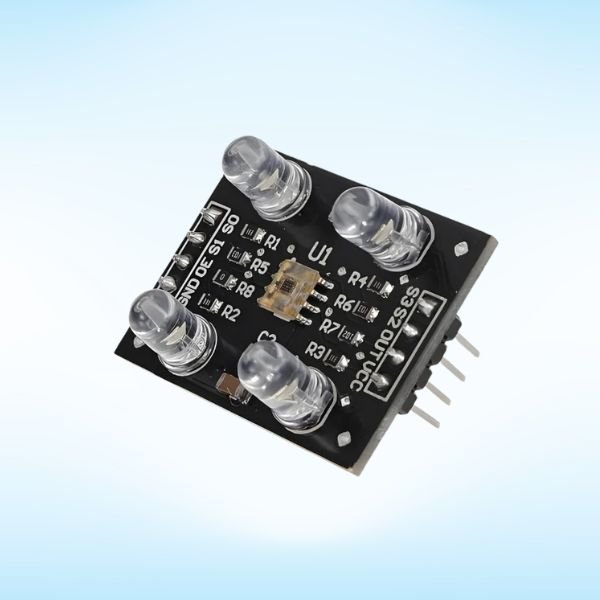
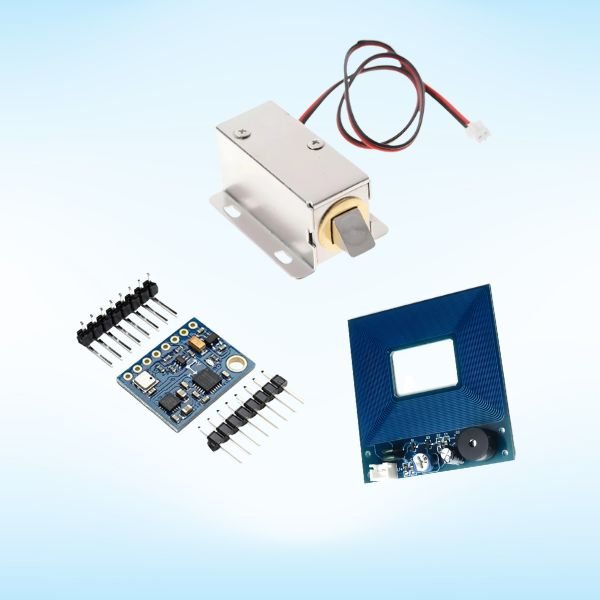
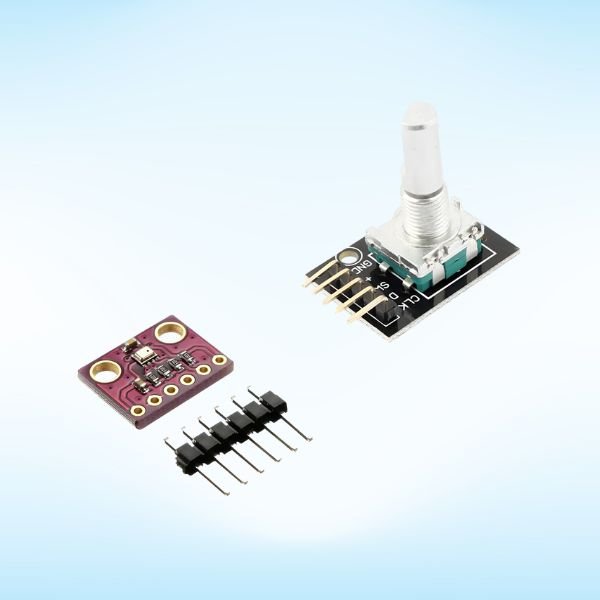
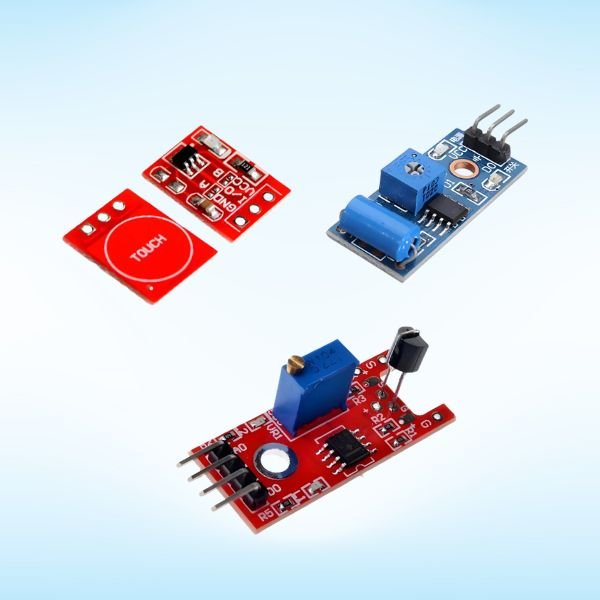
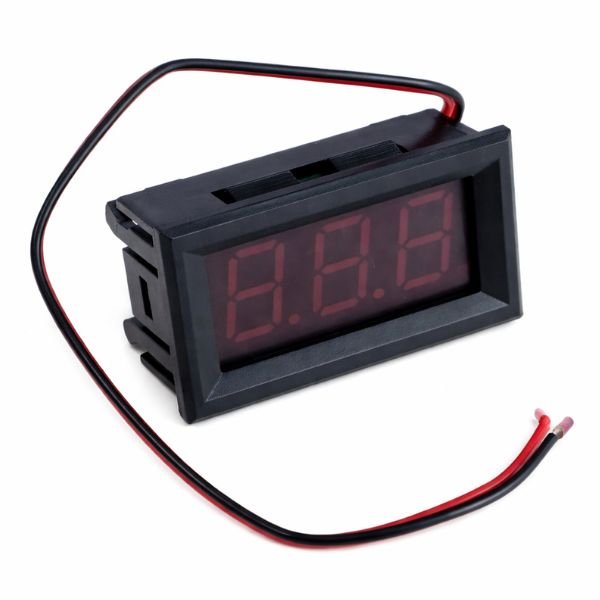
Sensors are like the eyes and ears of any electronics project. This group has sensor modules for temperature, humidity, IR, ultrasonic, soil moisture, voltage, EMG, and a lot more. They all work with Arduino, ESP32, and Raspberry Pi. You can find everything you need here, from an Arduino sensor kit for a college project to a precise voltage sensor for embedded development. Prices include GST, and delivery is quick all over India.

SENSORS

Best Sensors Online in India for Arduino & IoT | StemVolt

What are Sensors?

Sensors are electronic parts that change the environment and send electrical signals to a microcontroller, which can then read and act on them. Sensors come in many different types, each looking for something different, like light, heat, motion, voltage, or biological signals. A fire sensor that automatically sounds an alarm when it sees a flame nearby is a common project in colleges all over India

Types of Sensors and How They Work

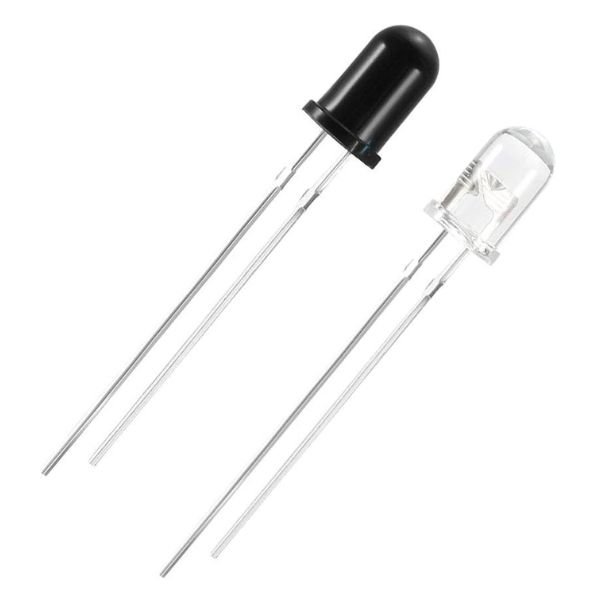
Sensors are put into groups based on what they can find. Infrared light is sent and received by IR sensors to find objects, measure distance, or follow lines on a surface. DHT11 and LM35 are two examples of temperature meters that can read the temperature of the air using either analog or digital output signals. Voltage sensors use resistive dividers to lower high DC voltages to a level that microcontrollers can read safely. EMG sensors read electrical signals from muscles in the body and send out an analog voltage that can be used in gesture and rehabilitation projects. Fire sensors pick up infrared radiation from a flame and send out digital alerts right away.

Parameter IR Sensor Voltage Sensor EMG Sensor
Detects Object / Line DC Voltage Muscle Signal
Output Digital Analog Analog
Interface GPIO Analog Pin Analog Pin
Best Use Robotics Power Monitoring Gesture Control

Sensors Available at StemVolt

Applications of Sensors

Almost all smart electronics projects built in India today use sensors in some way. In robotics, IR sensor modules help robots stay on track and avoid obstacles without any help from a person. Temperature meters in home automation systems turn on and off fans and air conditioners based on how hot or cold it really is in the room. A lot of school projects that show how automatic alert systems work use fire sensors. Voltage sensors keep an eye on battery and solar panel output in remote areas for IoT deployments. EMG sensors make it possible to use prosthetic control, gesture interfaces, and physiotherapy tools that respond directly to muscle movement in a whole new way.

How to Choose the Right Sensors

Choose a sensor that can measure what your project needs to measure. IR sensors can tell when something is close by or on a line. Temperature meters are good for keeping an eye on the weather and automating things. A voltage sensor is the best choice for projects that have to do with power. If your build uses ESP32, make sure the sensor signal is compatible with 3.3V. Some 5V sensors need a logic level converter to work with ESP32 GPIO pins. Beginners should start with three-pin sensor modules that plug in and work right away. If your project needs fast real-time detection, one useful tip is to always check the datasheet for response time.

More Components to Power Your Ideas

Also explore: Magnetic, Motion and Acceleration Sensors

Also explore: Electronics Modules – Relay, Power, Audio

Also explore: Development Boards – Arduino, ESP32, Raspberry Pi

Check This Guide: Sensor Modules in Electronics: Types, Working & IoT, Robotics Uses

Why Buy Sensors from StemVolt

StemVolt is a reliable supplier of electronic parts in India, and they have a wide range of sensor modules at prices that include GST. Before they are sent out, every sensor is checked for quality. Most orders leave within 12 hours, and you get a tracking ID after they do. The range includes simple Arduino sensors and more complex biomedical and industrial modules.

Frequently Asked Questions

1. Which sensor module is best for beginners starting with Arduino?

The HC-SR04 Ultrasonic Sensor and the DHT11 Temperature Sensor are the best places to start. Both work with Arduino Uno directly using simple library-based code. You do not need any extra parts. They are cheap, well-documented, and great for first projects like basic weather stations and robots that avoid obstacles.

2. Are these sensors compatible with ESP32 and Raspberry Pi?

Most of the sensor modules here can use either 3.3V or 5V. You need to use a logic level converter to connect a sensor with a 5V output signal to an ESP32 or Raspberry Pi GPIO pin. Before you place your order, you can check the compatibility information on each product page.

3. Can schools and colleges order a lot of sensor kits all at once?

Yes. We completely support schools, colleges, ATL Labs, PM SHRI Labs, and robotics training centers that want to buy in bulk. When you pay, you need to give the right GST information for the bill. Once the invoice is made, this information can not be changed. Please contact the support team if you need bulk pricing and delivery across India.