






Digital Multimeters are essential measurement tools that test voltage, current, resistance, continuity, and more in electronics circuits and lab builds. From automatic multimeters and clamp-type voltage multimeters to true RMS multimeter testers and replacement probes, these are everyday workbench tools. Best price guaranteed with fast delivery across India.

Digital Multimeters

What are Digital Multimeters?

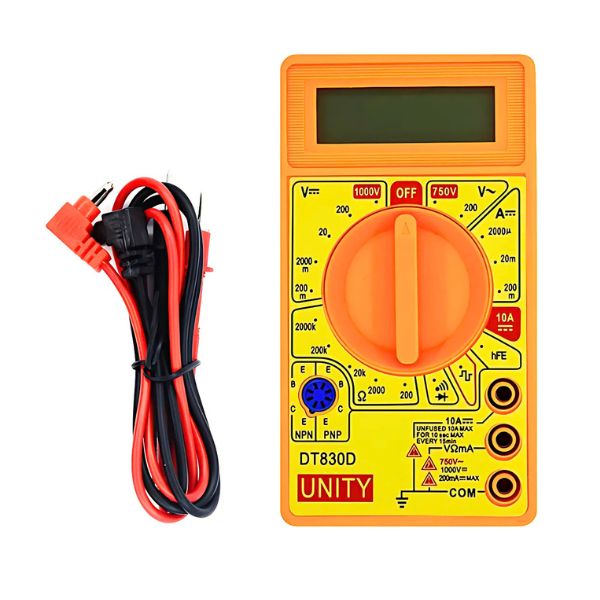
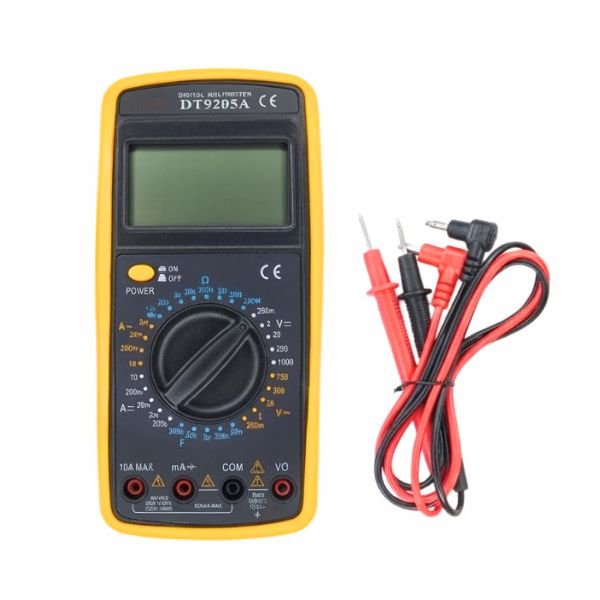
Digital Multimeters are electronic measuring instruments that provide a digital readout for voltage, current, resistance, diode testing and continuity testing. They operate by routing the circuit under test through internal measuring circuits that convert the electrical quantity into an exact numerical display. An automatic multimeter chooses the measurement range automatically without manual dial adjustment. In Indian college electronics labs, it is common to use a DT9205A multimeter device to check component values on a breadboard before connecting them to an Arduino circuit.

Common Digital Multimeters Available at StemVolt

  • DT9205A Haoyue Digital Multimeter — Manual-ranging electronic multimeter with AC DC voltage, current, resistance, and diode test modes
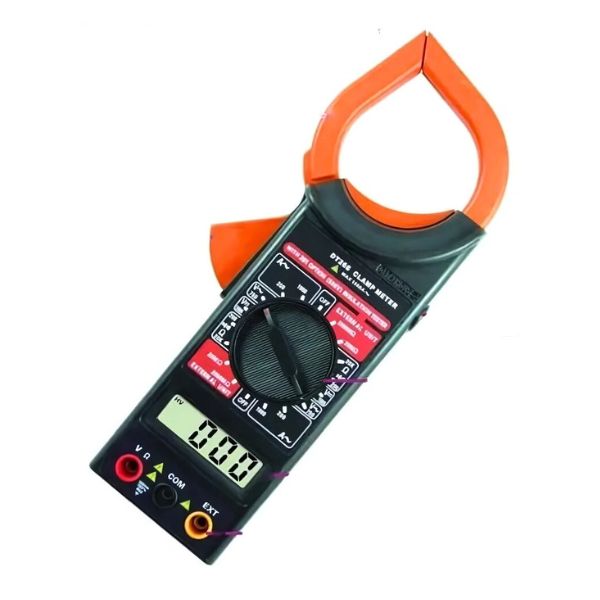
  • DT266 Digital Clamp Multimeter — Clamp-style voltage multimeter for non-contact AC current measurement on live wire builds
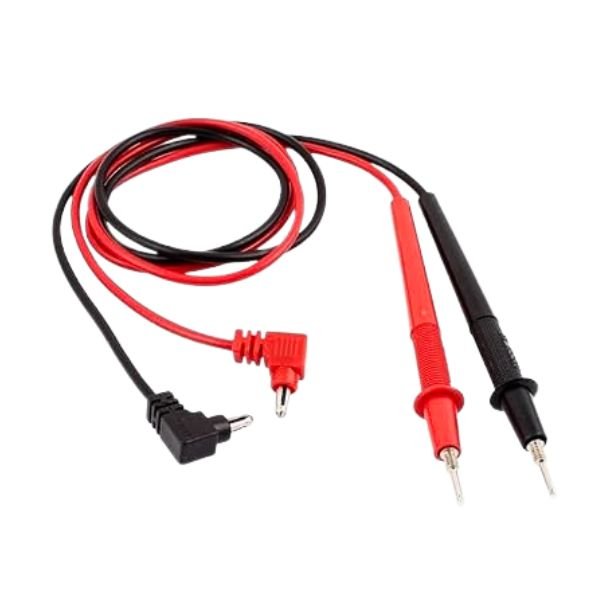
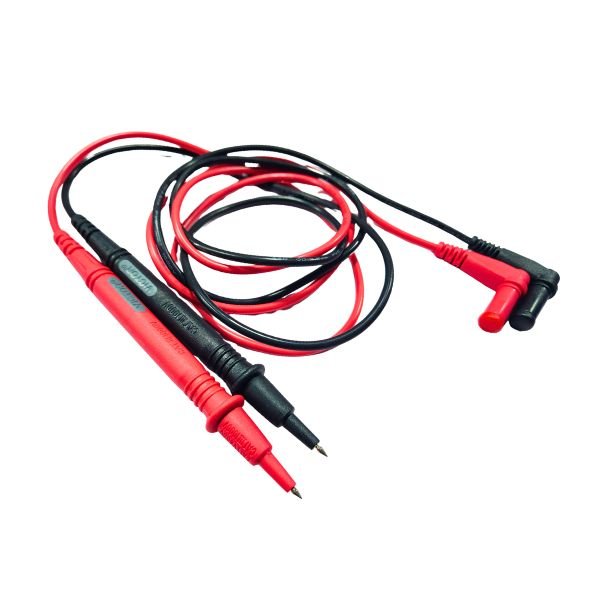
  • Digital Multimeter Testing Probes — Replacement probe set for standard multimeter tester connection to circuit test points

How to Choose the Right Digital Multimeters

Choose based on measurement types needed and whether auto-ranging matters for your workflow. For general college lab use and basic electronics debugging, a manual-ranging multimeter with AC DC voltage, resistance, and continuity modes covers everything needed. For production or repair work where speed matters, an automatic multimeter eliminates manual range switching entirely. For measuring AC current on live power cables without cutting the wire, a clamp multimeter is the right tool. One practical tip: always check that your multimeter tester probes are rated for the maximum voltage you plan to measure, as using standard probes on high-voltage circuits is a safety risk even if the multimeter itself supports that voltage range.