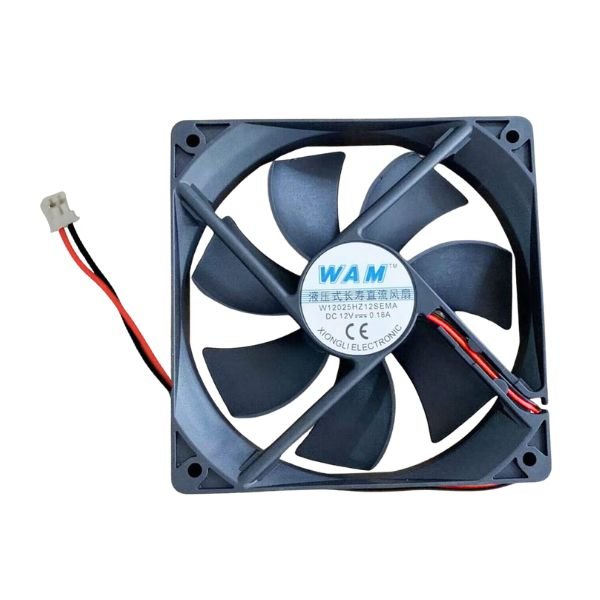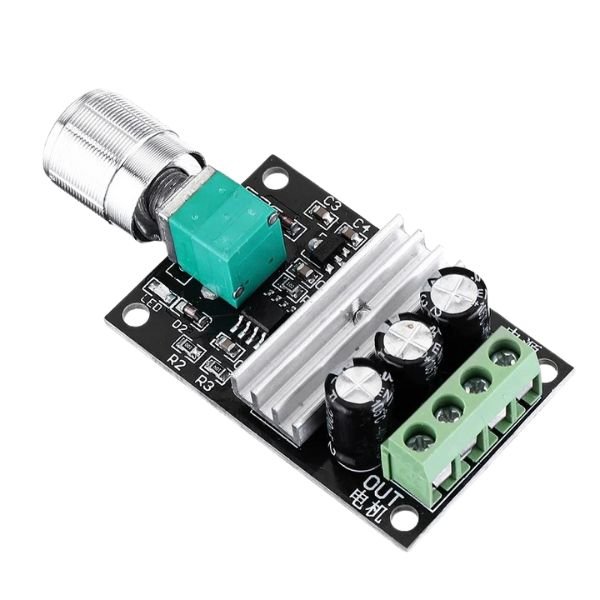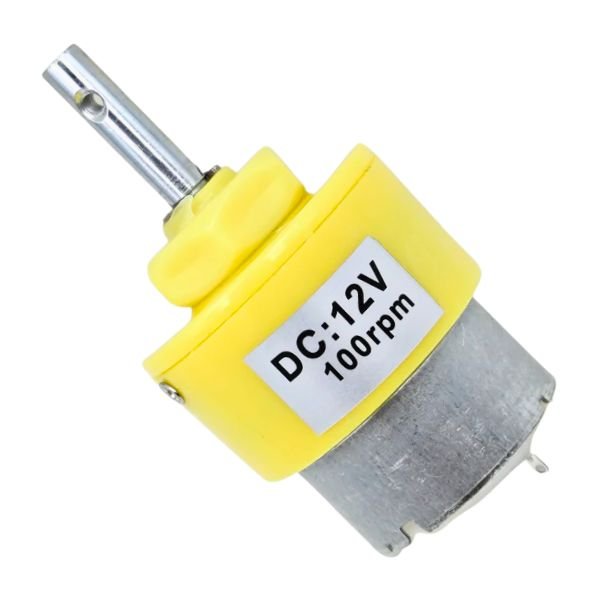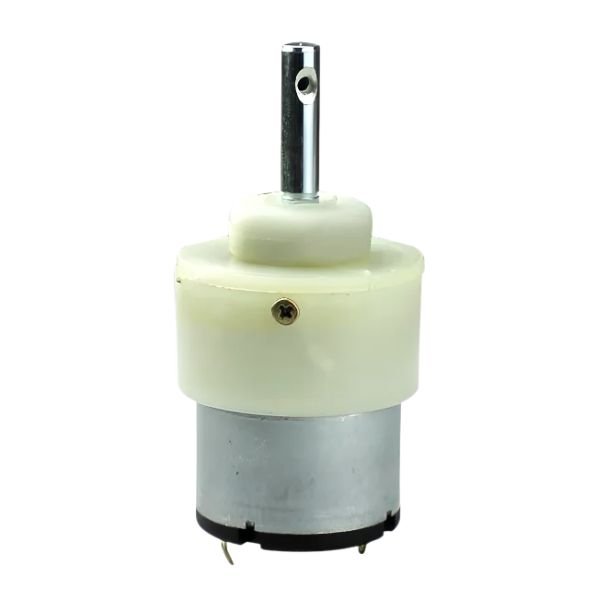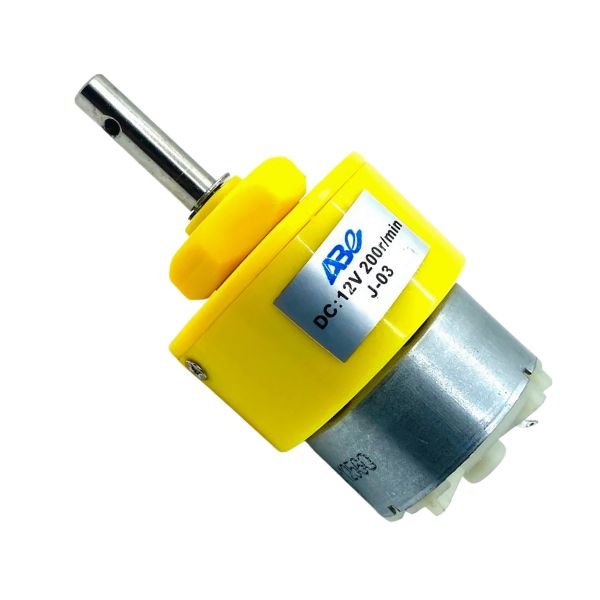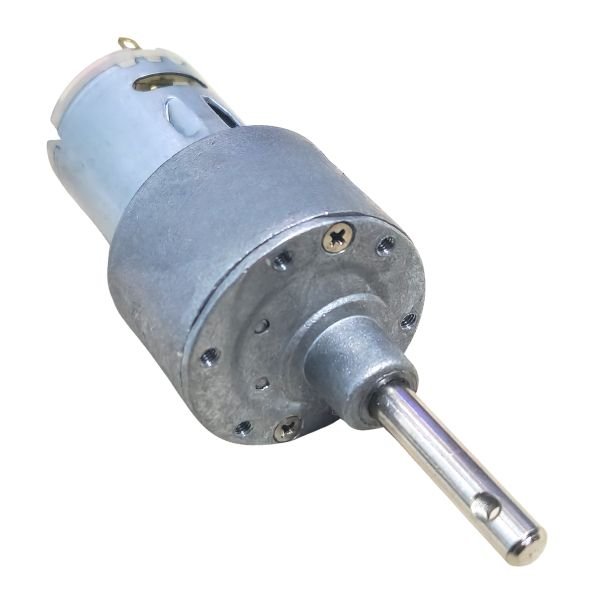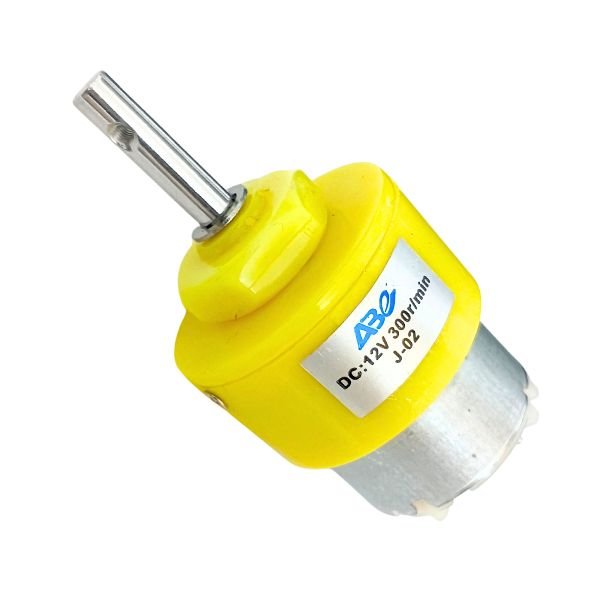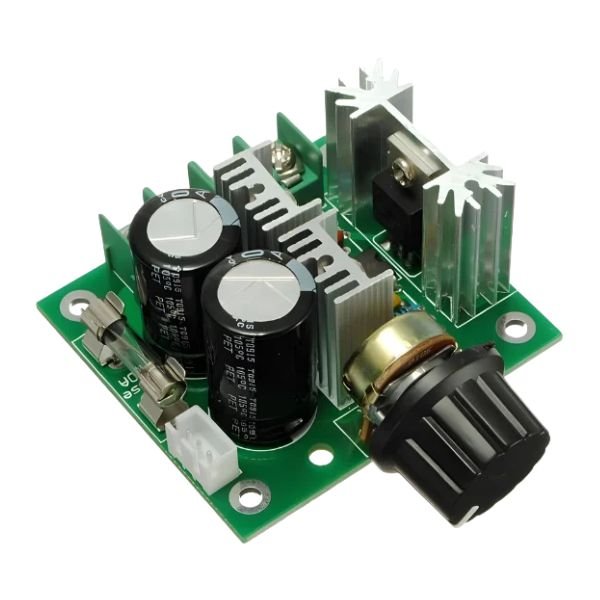






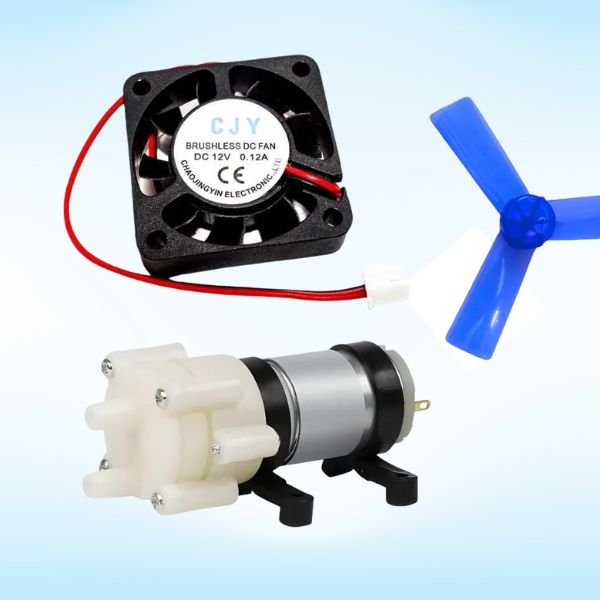
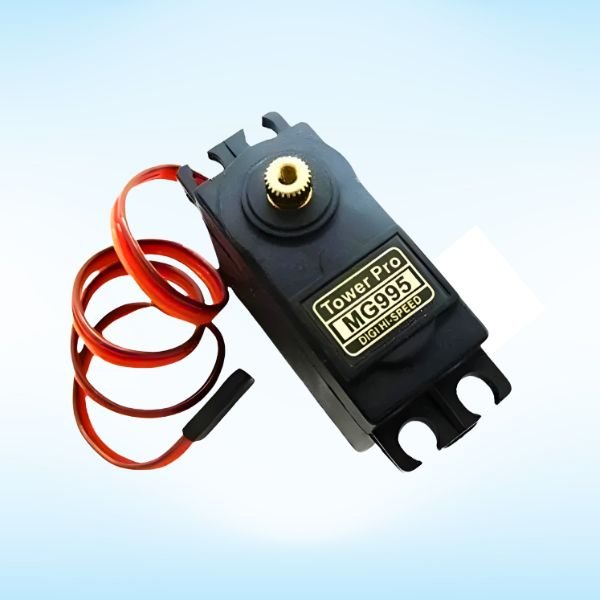
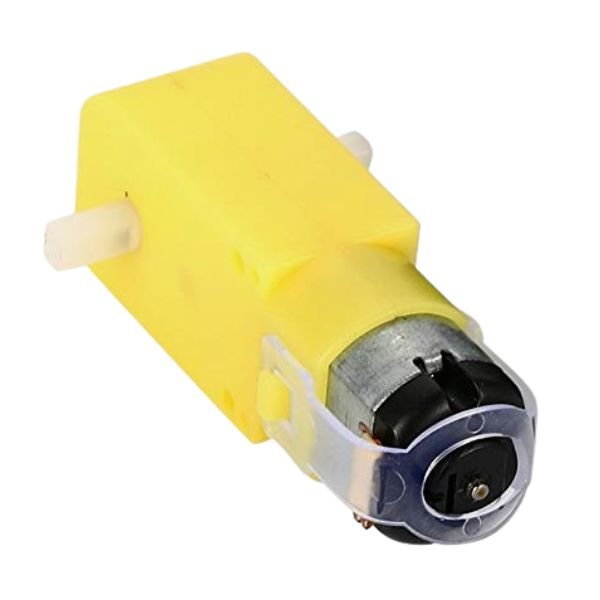
Every robotics and automation project relies on motors and motor drivers to move things. This group includes motor driver modules, actuator motors, gear motors, servo motors, and DC motors. All of these work with Arduino, ESP32, and Raspberry Pi. You can find everything you need here, from a 12V DC motor for a robot chassis to a mini servo motor for a robot arm. Prices include GST, and most orders ship within 12 hours.

Motors and Motor Drivers

Buy Motors and Motor Drivers Online in India

What are Motors and Motor Drivers?

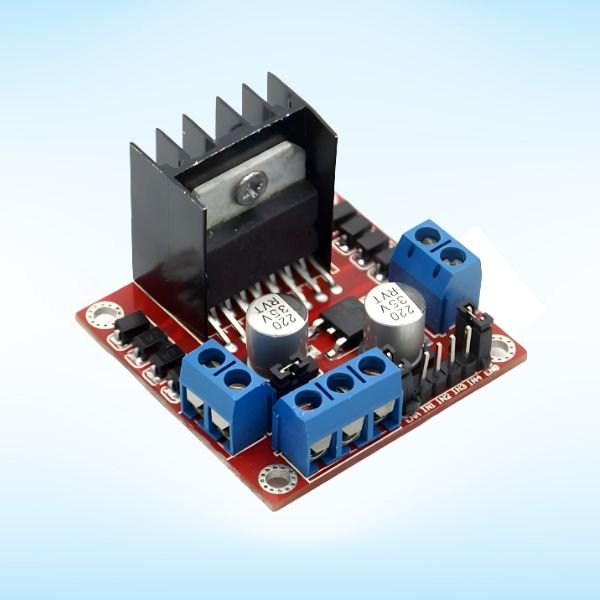
Motors change electrical energy into motion. The motor driver IC is in between the microcontroller and the motor. It takes care of the higher current that the motor needs, which a microcontroller GPIO pin can not provide directly. You can not safely run a DC motor from an Arduino without a driver. Using an L298 motor driver to control two DC motors separately from a single Arduino board is a common project for Indian college students who work with robots.

Types of Motors and Motor Drivers and How They Work

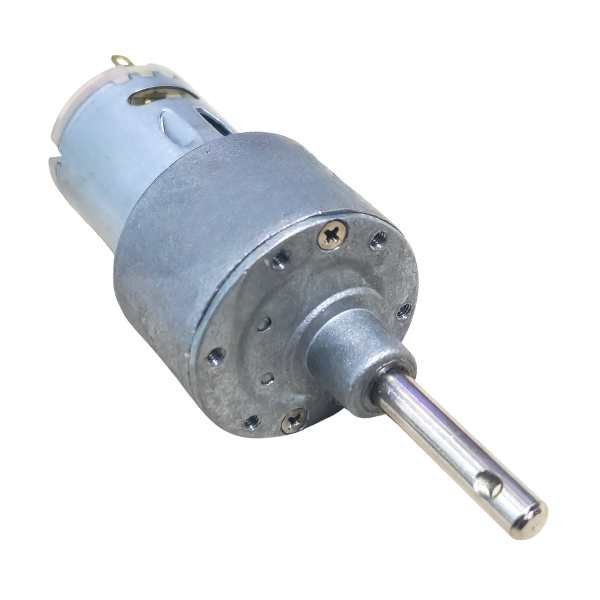
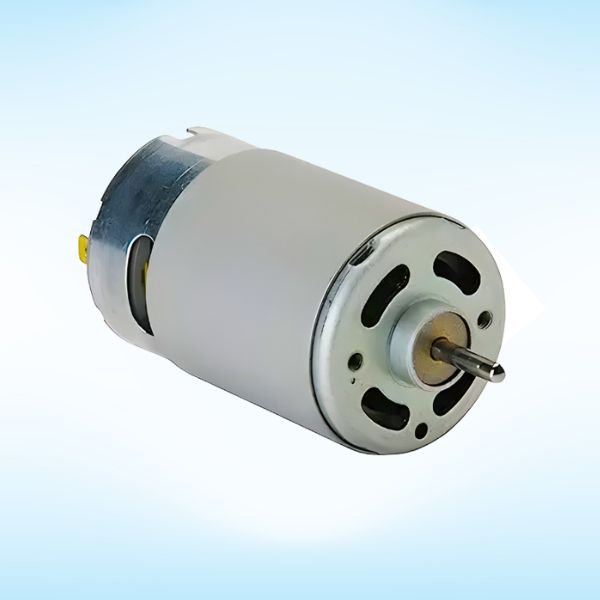
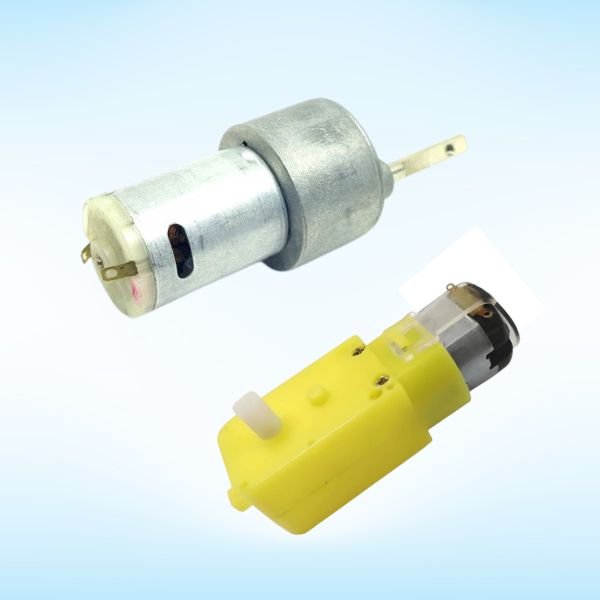
When you give them power, DC motors run all the time. A motor driver sends them different voltage or PWM signals to control them. A gear motor is a DC motor with a gearbox on it. The gears slow down the motor and give it more torque, which makes them great for wheeled robots that need to pull things. The width of a PWM pulse tells servo motors to turn to a certain angle. They are used a lot in steering systems and robotic arms. Motor drivers like the L298 and L293D control the flow of current and the way it goes. PWM speed controllers like the CCM5D let you use a potentiometer or digital input to smoothly change the speed of a DC motor.

Parameter DC Motor Gear Motor Servo Motor
Speed Control PWM via Driver PWM via Driver PWM Pulse Width
Torque Low High Medium
Position Control No No Yes
Best Use Fans, Wheels Heavy Robots Arms, Steering

Motors and Motor Drivers Available at StemVolt

Applications of Motors and Motor Drivers

Motors and motor drivers are used in nearly every project that involves movement or mechanical control. In robotics, gear motors with wheels power the chassis of line-following and obstacle-avoiding robots built in college labs across India. Servo motors handle precise positioning in robotic arms, camera pan-tilt systems, and RC vehicle steering. Home automation projects use small DC motors to automate curtains, door locks, and ventilation systems. PWM speed controllers allow variable speed control in conveyor belt models and industrial prototypes. Actuator motors find use in projects that need controlled linear push-pull movement rather than rotation.

Find the Right Components for Your Innovation

How to Choose the Right Motors and Motor Drivers

First, you need to figure out what kind of motion your project needs. To make something spin all the time and control its speed, you need a DC motor and a motor driver IC, such as the L298 or L293D. A gear motor with the right RPM rating is needed for a heavy robot chassis with a lot of torque. A servo motor is needed to get the angle just right. Always make sure that the voltage of your motor and power supply are the same. The voltage range for most project motors is 6V to 12V. You should also look at the motor driver's current rating. It has to be able to handle the current that your motor uses when it stops. It is always a good idea to test the motor's speed and direction on a breadboard before you solder it into your final circuit.

Why Buy Motors and Motor Drivers from StemVolt

StemVolt is a reliable online store in India for electronics and robotics parts. They have a large selection of tested motors and motor drivers at prices that include GST. Before shipping, we check the quality of every item. Most orders ship within 12 hours, and after they do, you get a tracking ID. The range includes everything from small servo motors to heavy-duty gear motors for any size project.

Frequently Asked Questions

1. Which motor is best for beginners building a robot?

A gear motor with a wheel is the easiest way for someone who has never built a robot before to get started. You can make a full drive system by adding an L298 Dual DC Motor Driver Module and an Arduino Uno. Gear motors have enough torque for most small chassis builds, and they are cheap enough for students to use in their projects.

2. Are these motors compatible with Arduino and ESP32?

Yes. You can connect all of the DC motors, gear motors, and servo motors here to an Arduino Uno, Nano, or ESP32 using a motor driver or servo library. For DC motors, there needs to be a driver IC like the L293 between the board and the motor. A PWM pin goes straight to servo motors. You can find information about wiring and driver modules that work with each type of motor on the product pages.

3. What is the price range of motors and motor drivers at StemVolt?

Basic DC motors and mini servo motors cost between ₹50 and ₹150. Depending on the voltage and RPM, gear motors with higher torque ratings can cost anywhere from ₹165 to ₹800. The L298 motor driver module costs around ₹120. Prices already include GST, so there are no extra fees at checkout.