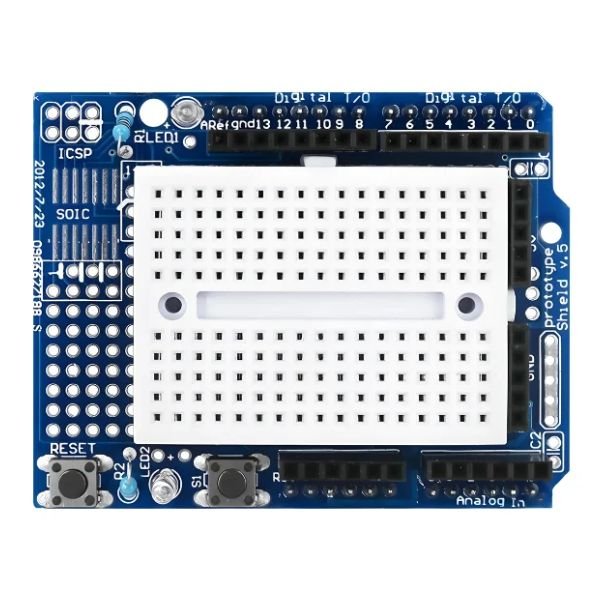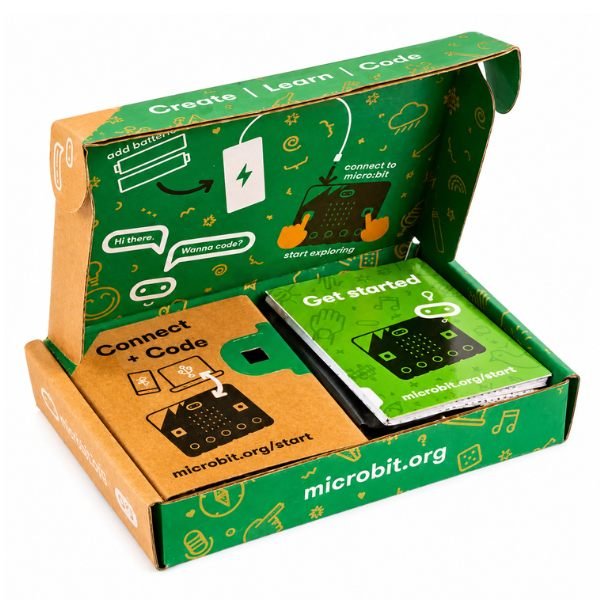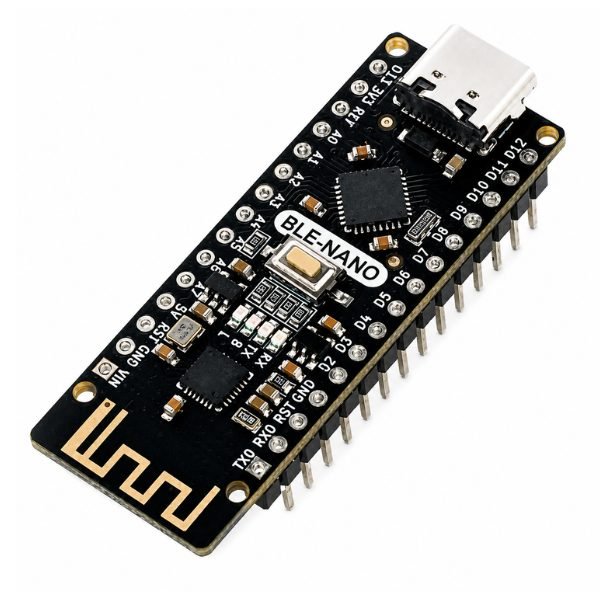


Every electronics project needs a Development Board to work. This group of items includes Arduino microcontroller boards, ESP WiFi boards, Raspberry Pi, and more. All of them are ready to be programmed and built with. These boards make it easy to buy an Arduino Uno for a college project or to make a prototype of an IoT system. Prices include GST, and delivery is quick all over India.
Filter by price
Development Boards
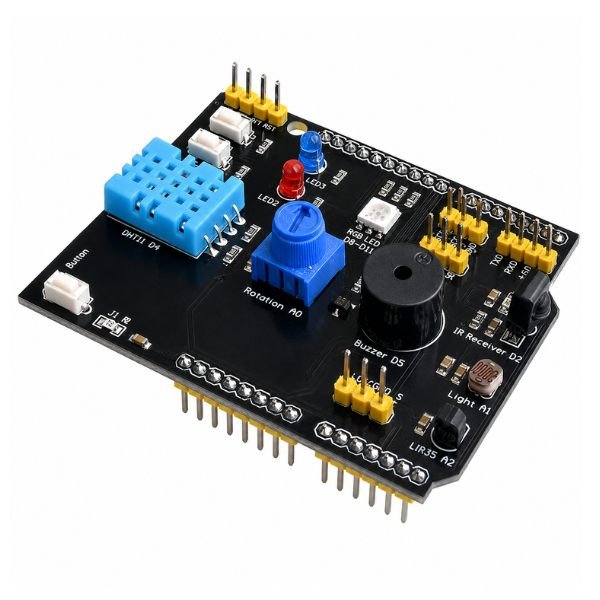
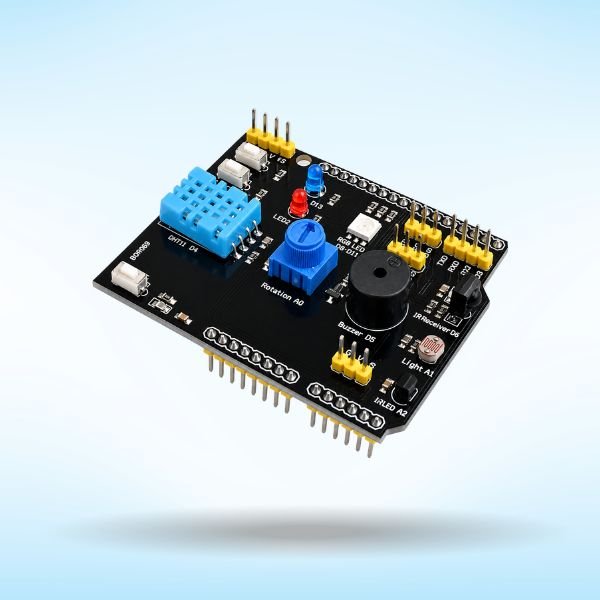
9 in 1 Multi-Function Expansion Shield for Arduino | Sensor Learning Board
In stock
Arduino Leonardo R3 Compatible Board | ATmega32U4 USB Microcontroller
In stock
Buy Development Boards Online in India | StemVolt
What are Development Boards?
Development Boards are the main controllers in any electronics project. They are programmable circuit boards. You write code and upload it to the board. It then handles everything that is connected to it, such as sensors, motors, displays, and communication modules. One simple project that people in India do every day is to connect a DHT11 sensor to an Arduino microcontroller board. Then the sensor can check the temperature in the room and send you a message.
Types of Development Boards and How They Work
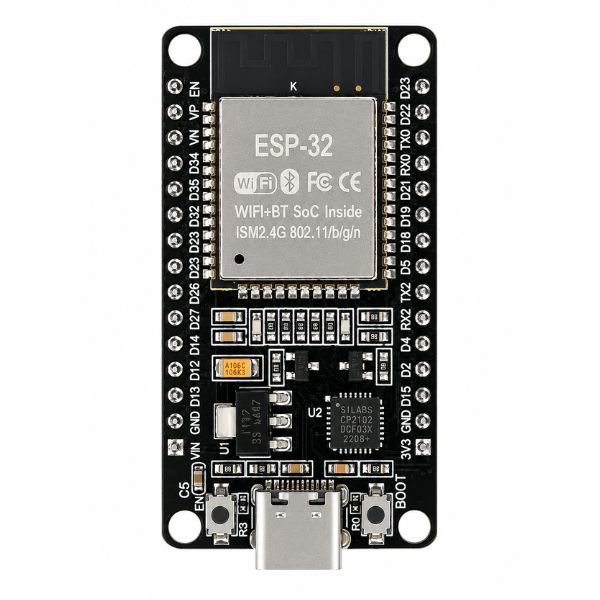
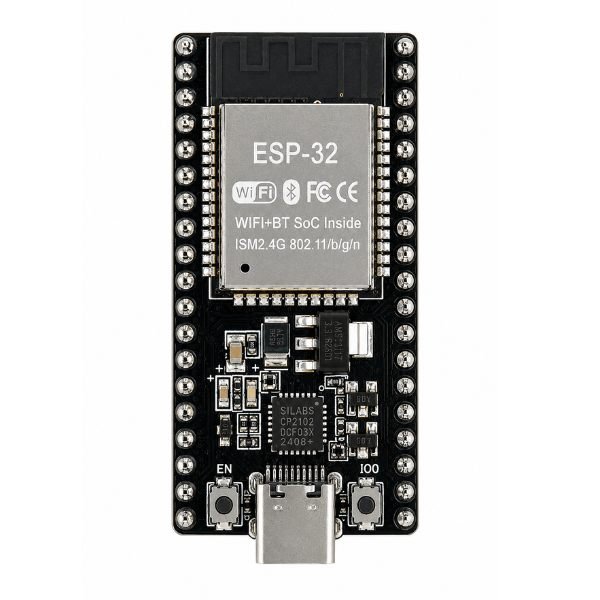
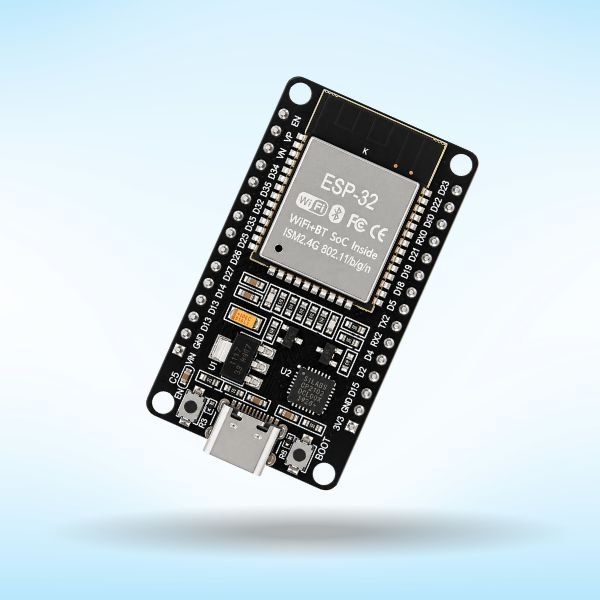
There are three main types of development boards, and each one has its own features and uses. Microcontrollers are what Arduino boards are made of. This means that they can only run one program at a time. They work best for controlling things like motors, relays, and sensors in real time. NodeMCU and ESP32 are two examples of ESP boards that come with built-in WiFi and Bluetooth. This makes them the best choice for IoT and wireless projects. Raspberry Pi is a Linux-based single-board computer. When a project needs to do more than one thing at a time, like control hardware and show camera feeds or a web interface, it is used.
| Parameter | Arduino | ESP Board | Raspberry Pi |
|---|---|---|---|
| Type | Microcontroller | Microcontroller + WiFi | Mini Computer |
| Best For | Hardware control | IoT, Wireless | Linux, Camera |
| Operating Voltage | 5V | 3.3V | 3.3V |
| Difficulty | Beginner | Beginner–Mid | Intermediate |
Common Development Boards Available at StemVolt
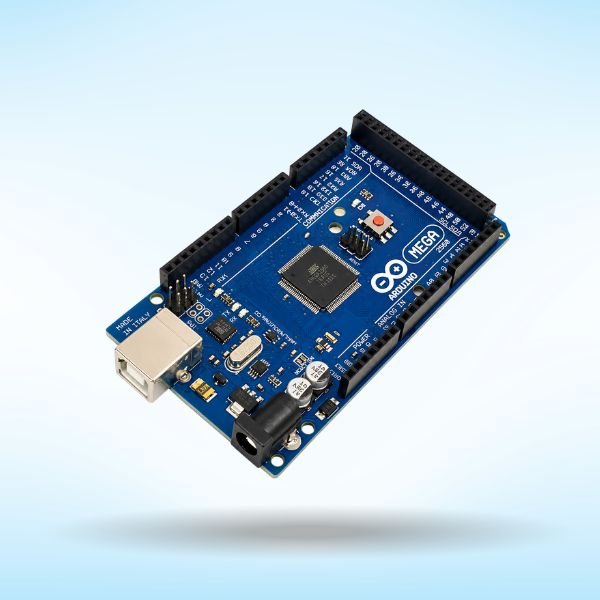
- Arduino Uno R3 Compatible Board — Most popular arduino microcontroller board for beginners and classroom projects
- Arduino Nano R3 with CH340 Chip — Compact arduino nano board ideal for space-constrained and wearable builds
- Arduino Leonardo R3 Compatible Board — ATmega32U4 based board with native USB support, great for HID projects
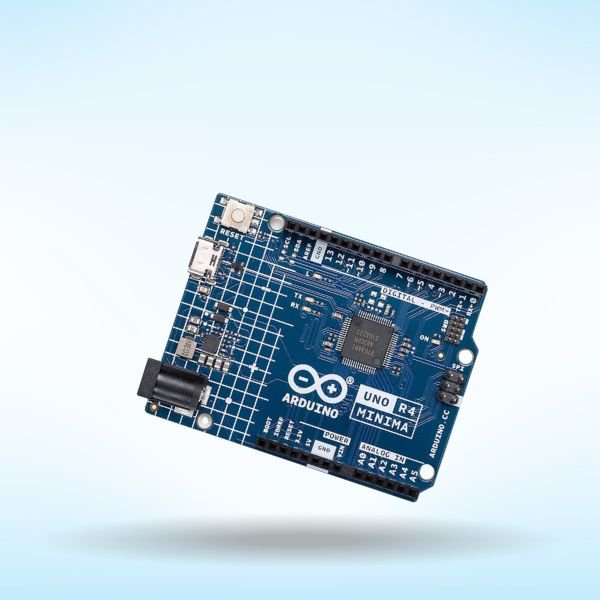
- Arduino Uno R4 Minima WiFi Board — Latest generation board with built-in WiFi, ready for modern IoT development
- NodeMCU ESP8266 WiFi Board — Low-cost ESP WiFi board for wireless IoT projects and home automation builds
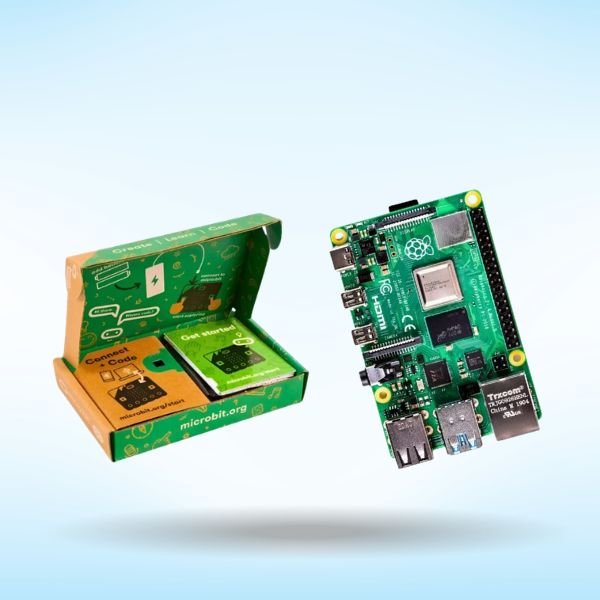
- Raspberry Pi 4 Model B — Powerful single-board computer running full Linux for advanced embedded systems
How to Choose the Right Development Boards
Begin with what you need for your project and how comfortable you are. If you are building something for the first time, you should choose either the Arduino Uno or the Arduino Nano. Both are easy to program, have a lot of documentation, and work with almost all sensors and modules. If your project needs to talk to other devices wirelessly, the next step is to get an ESP WiFi board like NodeMCU or ESP32. The Raspberry Pi 4 is the best choice for projects that need a full operating system. Before connecting modules, always check the operating voltage. Arduino boards run at 5V, while ESP and Raspberry Pi GPIO pins run at 3.3V. One useful piece of advice: before you order shields or motor drivers, make sure that the pin layout is compatible with your specific board variant.
Find Everything You Need in One Place
- Also explore: IoT and Wireless Modules – ESP, Bluetooth, GSM
- Also explore: Sensors – Ultrasonic, Temperature, IR and More
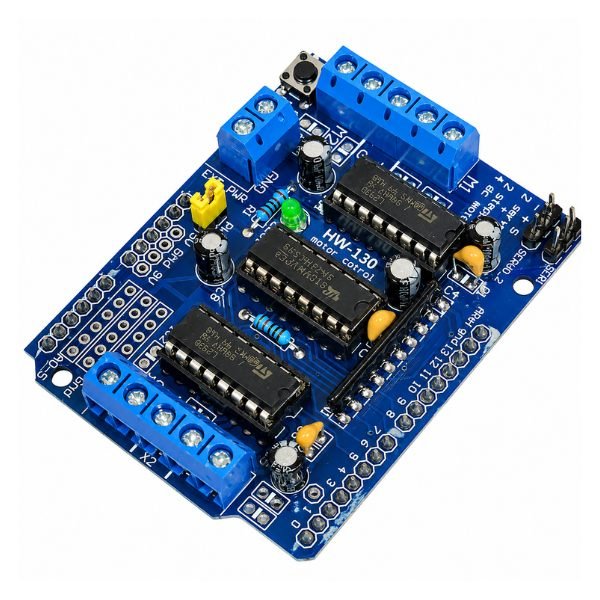
- Also explore: Motors and Motor Drivers – DC, Servo, Gear
- Related Articles: Arduino vs ESP32: Which Board is Better for Your Projects in 2026?
Applications of Development Boards
Development boards are used in almost all areas of modern electronics in India. Students often use Arduino boards to build things like weather stations, line-following robots, and smart irrigation systems. You can use ESP WiFi boards to control lights, fans, and appliances in your home with a smartphone app. In labs and research settings, the Raspberry Pi 4 can do more complicated things like recognizing faces, streaming live video from a camera, and edge computing. Before they start making their own PCBs, engineering students use these boards to make prototypes of embedded systems. There are a lot of ways to use it, from a child's first blinking LED to an IoT device that is made in a factory.
Why Buy Development Boards from StemVolt
StemVolt is a reliable electronics parts store in India that sells a wide range of development boards at prices that include GST. Before shipping, we check the quality of each board. Most orders ship within 12 hours, and you get a tracking ID after they do. The range includes both beginner Arduino boards and more advanced Raspberry Pi and ESP32 modules.
Frequently Asked Questions
1. Which development board is best for beginners in India?
For beginners, the Arduino Uno R3 is the best place to start. It has a lot of users, thousands of free tutorials, and it works with almost every sensor and module that is out there. If you need something smaller, the Arduino Nano is a great choice. Both are easy for beginners to use, run on 5V, and can be programmed easily with the free Arduino IDE.
2. What is the difference between Arduino and Raspberry Pi?
Arduino is a microcontroller board that can only run one program at a time. It is best for controlling hardware in real time, like motors, sensors, and relays. Raspberry Pi is a full single-board computer that runs Linux and can handle multiple tasks at once, camera feeds, and web servers. For projects that need to control hardware, go with Arduino. For projects that need a lot of computing power, go with Raspberry Pi 4.
3. Are ESP WiFi boards compatible with Arduino IDE?
Yes. You can install board managers in the Arduino IDE to fully support ESP8266 and ESP32 boards. You can write and upload code in the same place as Arduino. With a few changes, most Arduino libraries will also work on ESP boards. This makes it easy to switch from Arduino to ESP WiFi boards for IoT and wireless projects.