






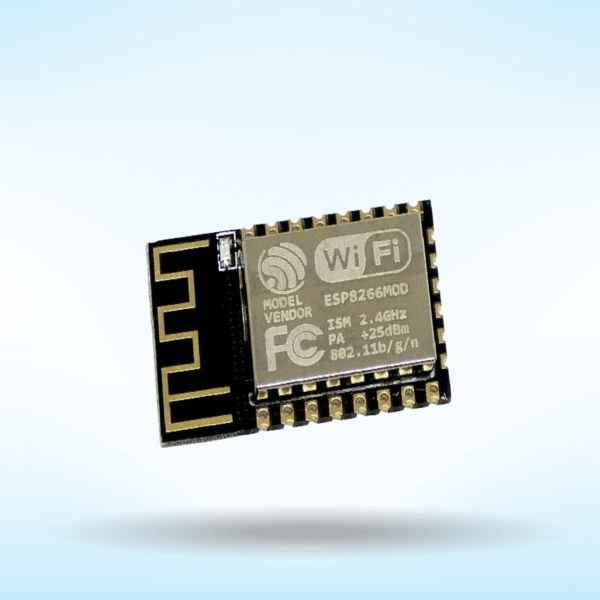
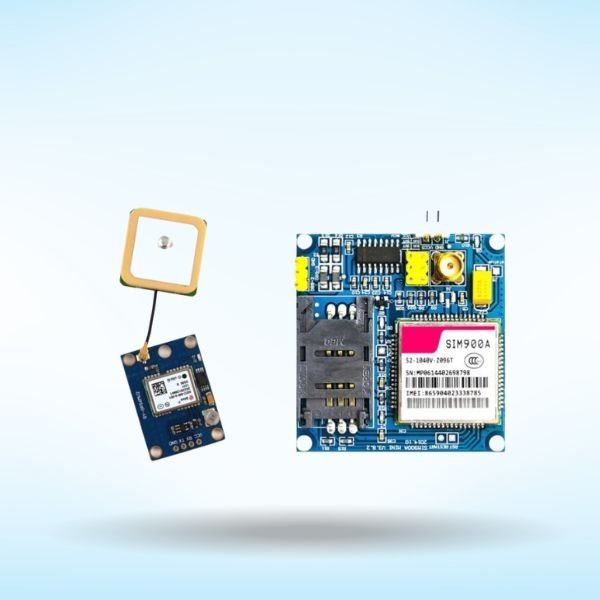
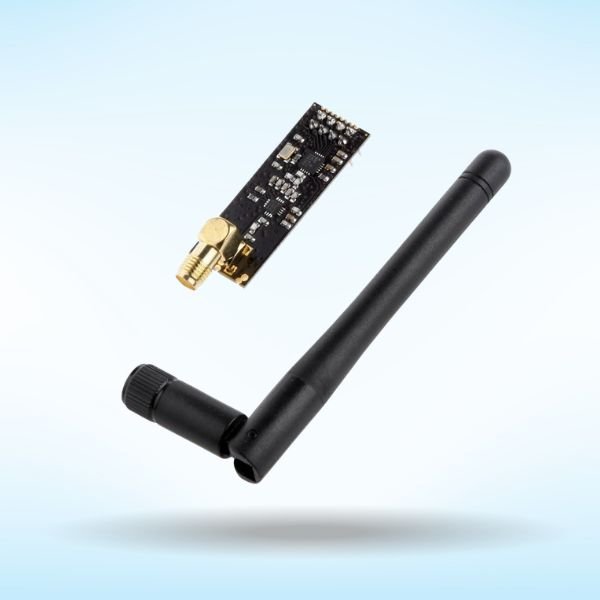
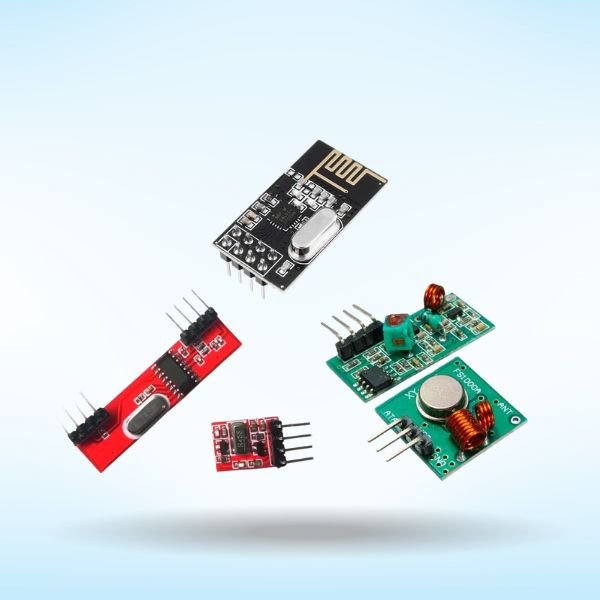
Wireless modules and the Internet of Things (IoT) are the main ways that connected electronics talk to each other. This group has ESP WiFi modules, Bluetooth modules, RF modules, GSM modules, antennas, and GPS boards that work with Arduino, ESP32, and Raspberry Pi. These modules make it easy to communicate wirelessly, whether you are building a smart home system or a college project. All prices include GST, and orders ship quickly all over India.
Filter by price
IOT and Wireless Module
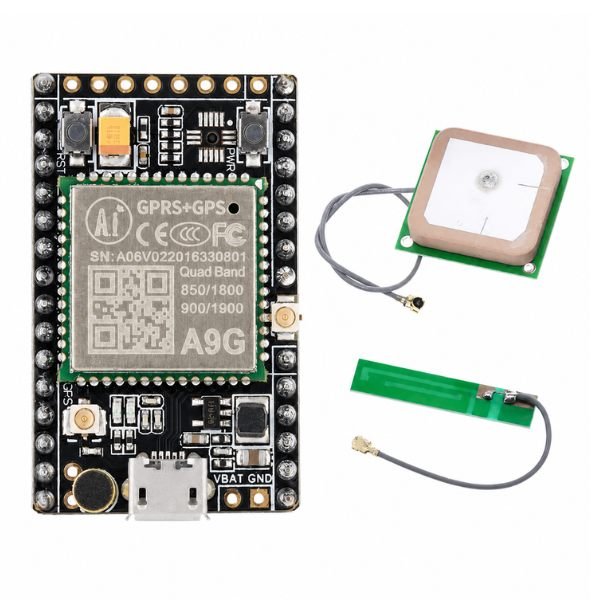
AI Thinker A9G GSM/GPRS+GPS/BDS Development Board Original Quality
In stock
Buy IoT and Wireless Module Online in India | StemVolt
What are IoT and Wireless Modules?
IoT and Wireless Modules are electronic parts that let any microcontroller-based project talk to other devices wirelessly. WiFi, Bluetooth, RF, or cellular networks let devices send and receive data without wires. A microcontroller like Arduino can only process data locally without these modules. Your project can connect to the internet, send SMS alerts, or talk to other devices in real time with them.
Types of IoT and Wireless Modules and How They Work
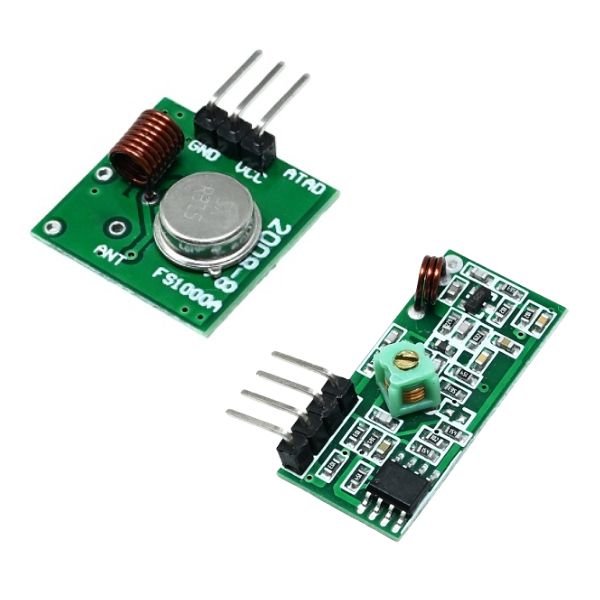
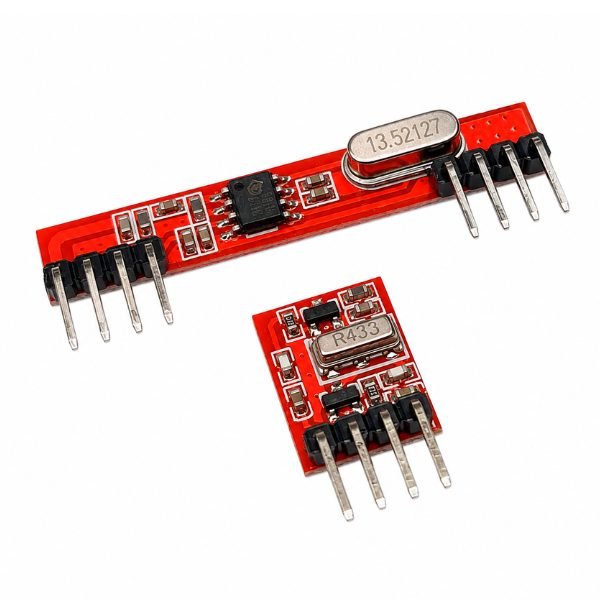
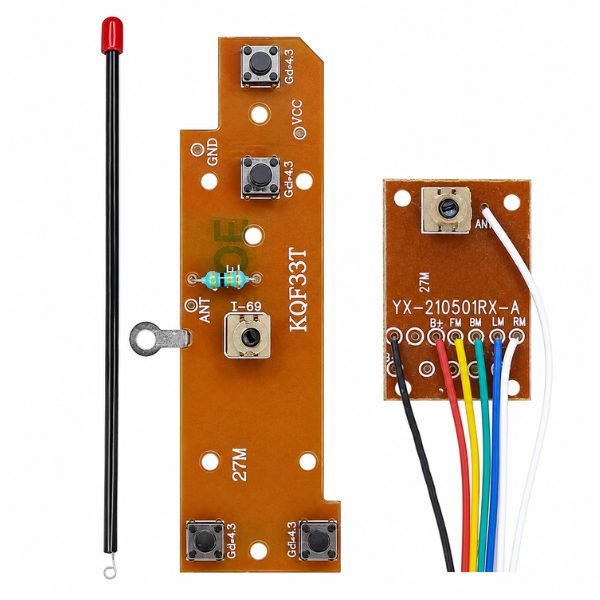
There are groups of wireless modules based on how far they can talk to each other and how they do it. WiFi modules like the ESP8266 let you connect your project to the internet through a local network. They work best for cloud logging, smart home systems, and IoT dashboards. Bluetooth modules let devices send and receive data over short distances. They are very useful for audio projects and robots that you can control with your phone. The NRF24L01 and other RF modules use the 2.4GHz band to let two microcontrollers talk to each other without needing an internet connection. There is not much of a wait. GSM and GPS modules use cell phone networks to make and receive long-distance calls, send and receive text messages, and find out where they are. This makes them great for keeping an eye on things from a distance and keeping track of vehicles all over India.
| Parameter | WiFi Module | RF Module | GSM Module |
|---|---|---|---|
| Range | Medium | Short–Medium | Global |
| Internet Needed | Yes | No | Yes (Cellular) |
| Power Use | Medium | Low | High |
| Best Use | IoT Systems | Local Control | Remote Alerts |
IoT and Wireless Modules Available at StemVolt
- ESP WiFi Module — Low-cost WiFi module for IoT projects, works directly with Arduino and ESP32 boards
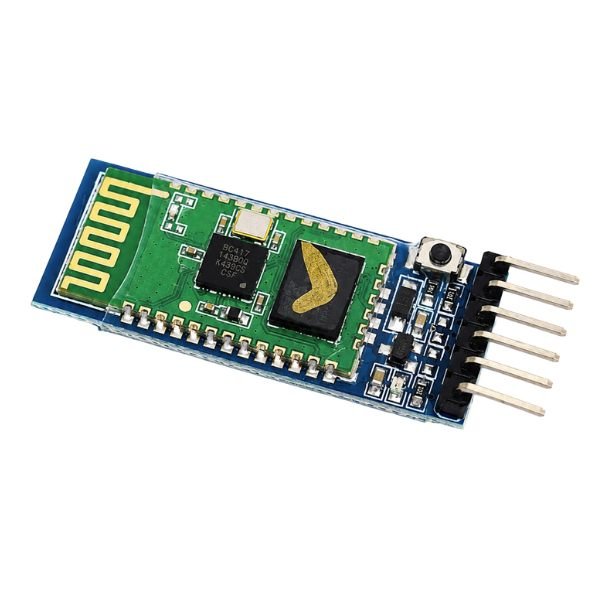
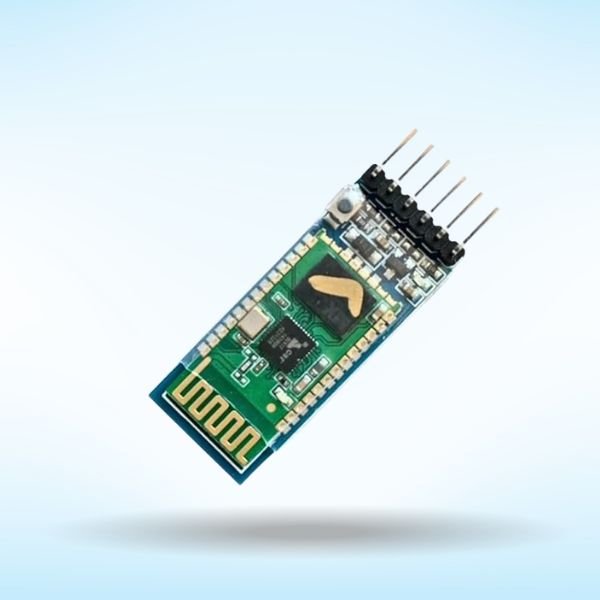
- HC-05 Bluetooth Module — Popular bluetooth module for wireless serial communication between devices and smartphones
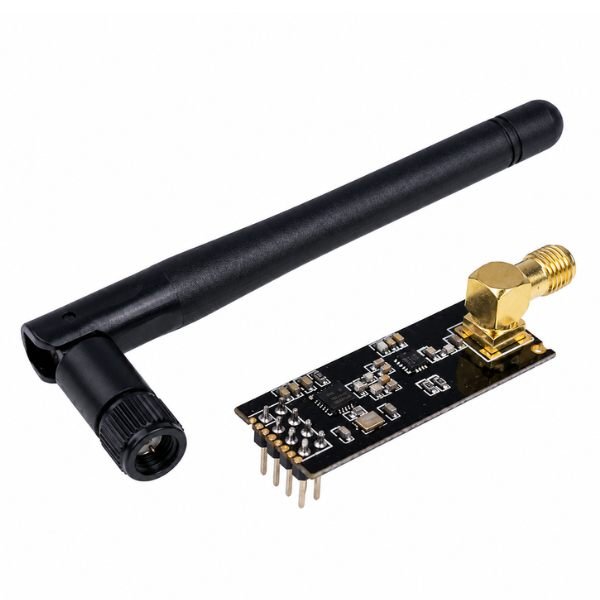
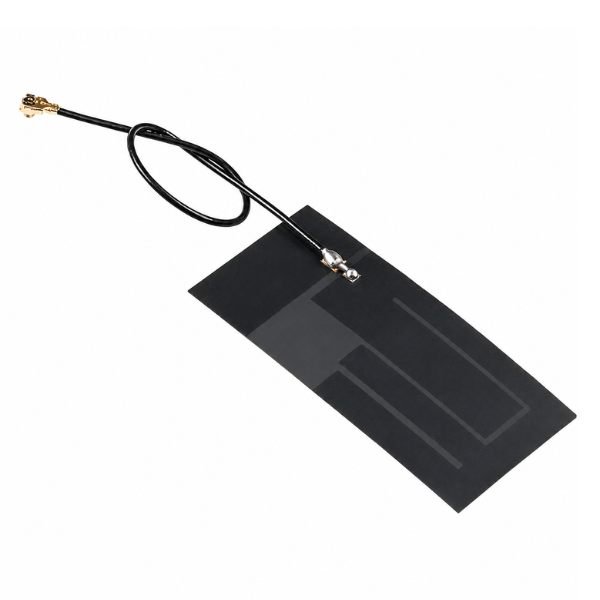
- 2.4GHz NRF24L01 PA LNA Wireless Antenna — Long-range RF module with antenna, ideal for remote control and sensor networks
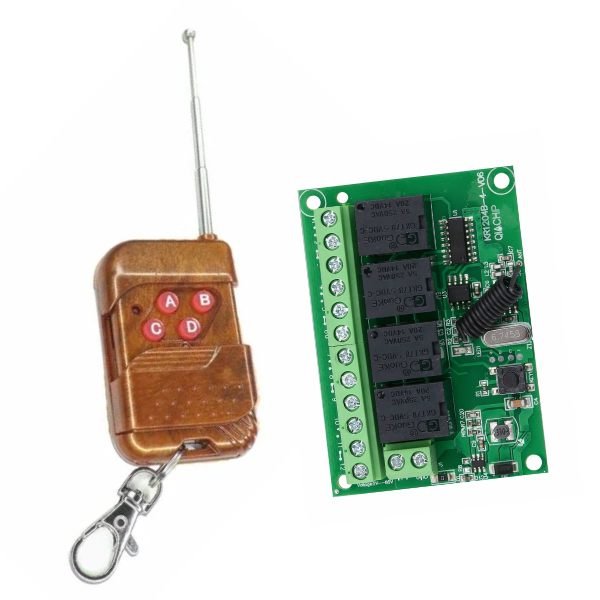
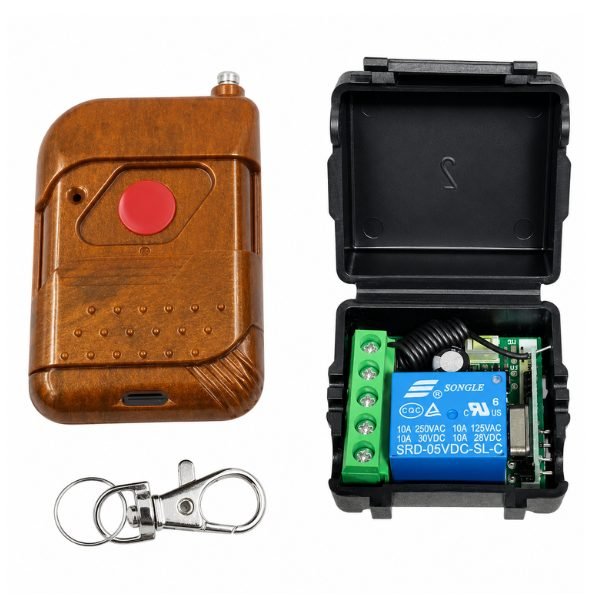
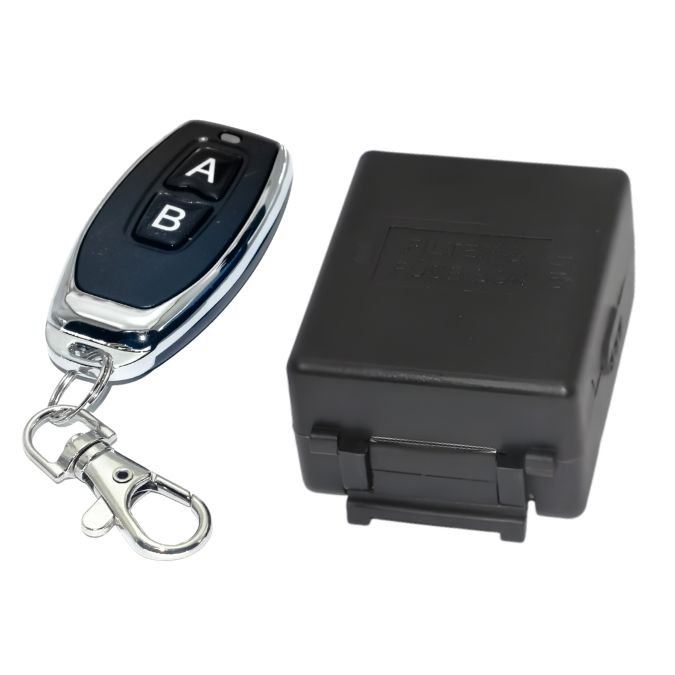
- 2-Channel RF Wireless Relay — RF receiver based relay module for wireless switching of home appliances
- AI Thinker A9G GSM GPRS GPS Board — Combined GSM module and GPS tracker board, perfect for vehicle tracking projects
- SIM800L GSM 4G Module — Compact GSM module supporting calls, SMS, and GPRS data for embedded systems
Applications of IoT and Wireless Modules
With an ESP WiFi module, you can control lights and appliances from anywhere with a smartphone app. RF modules control motors wirelessly in robotics when wired connections are not possible. GSM modules power security systems that send text messages when they see movement. Students in engineering all over India are building vehicle tracking systems that use both GSM and GPS boards. These modules send sensor data to cloud platforms in real time from factories, where they can be automatically watched from afar.
Explore More Components for Your Projects
- Also explore: Sensors – Ultrasonic, Temperature, Gas and More
- Also explore: Electronics Modules – Relay, Power, Audio
- Also explore: Drone Parts – Motors, ESC, Flight Controllers
- You May Also Like: IoT Sensors for Beginners
How to Choose the Right IoT and Wireless Module
First, figure out what your project really needs in terms of communication range and protocol. A Bluetooth module is the easiest way to control a smartphone or talk to someone nearby. An ESP WiFi module is a cheap way to cover most internet-connected IoT projects. NRF24L01 RF modules are best for long-range direct communication that does not need the internet. When your project needs to connect to a cell phone network, GSM or 4G modules are the only good options. Before connecting, always check the operating voltage. Most Arduino boards give out 5V, but ESP and NRF modules work at 3.3V logic. In setups with different voltages, a logic level converter keeps things from getting damaged.
Why Buy IoT and Wireless Modules from StemVolt
StemVolt is a trusted electronics components supplier in India offering a wide and tested range of wireless modules at GST-included prices. Before they are sent out, we check that each module works with Arduino and ESP32. Most orders are shipped within 12 hours, and a tracking ID is sent out after the order is shipped. The range includes everything from simple Bluetooth modules to more complex GSM GPS boards
Frequently Asked Questions
1. Which IoT and Wireless Module is best for beginners?
The HC-05 Bluetooth module is the easiest place for beginners to start. It talks to Arduino Uno and Nano directly over a simple serial protocol. The ESP8266 WiFi module is the next step up. It connects to the internet and is used a lot in IoT projects by college students and hobbyists all over India.
2. What is the difference between RF and WiFi modules?
RF modules like NRF24L01 let devices talk to each other directly without the need for the internet. This is great for remote control and wireless robots. ESP8266 and other WiFi modules connect to a network so that you can talk to people over the internet. RF modules use less power and have less delay. WiFi modules can connect to the cloud, but they need stable power and a working network.
3. Are these modules compatible with Arduino and ESP32?
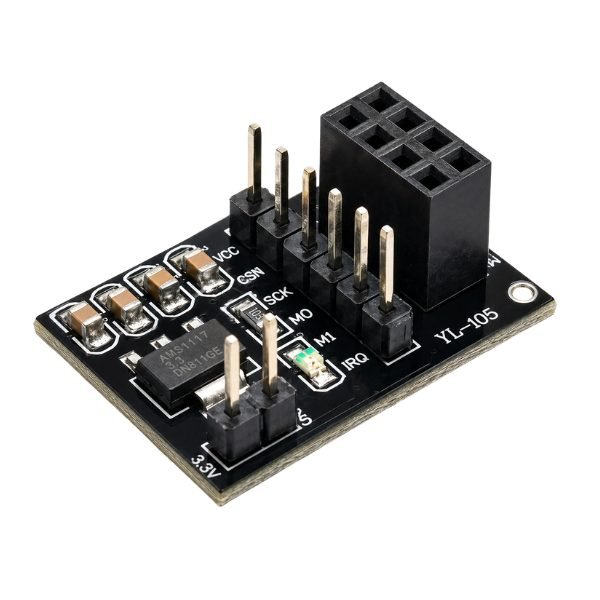
Yes. Most of the wireless modules here work with the Arduino Uno, Nano, NodeMCU, and ESP32. ESP8266 connects through UART, NRF24L01 through SPI, and GSM modules talk to each other over serial using AT commands. If you connect 3.3V modules to 5V Arduino boards, you should use a logic level converter to protect the GPIO pins from damage.
4. How fast is delivery and what are shipping charges?
Most orders are shipped within 12 hours of confirmation, but not on Sundays or public holidays. Depending on where you live, standard delivery can take anywhere from three to eight days. If you spend more than ₹999, shipping is free. If your order is less than ₹999, there is a flat fee of ₹89. After each shipment, a tracking ID is sent out so that you can keep an eye on your order in real time.