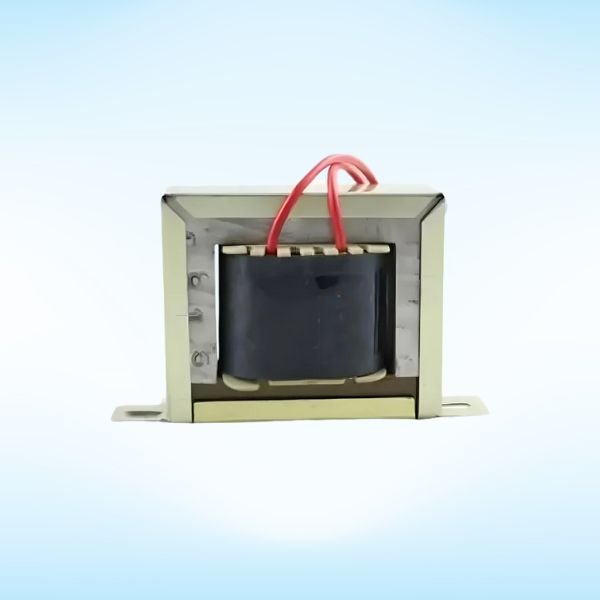
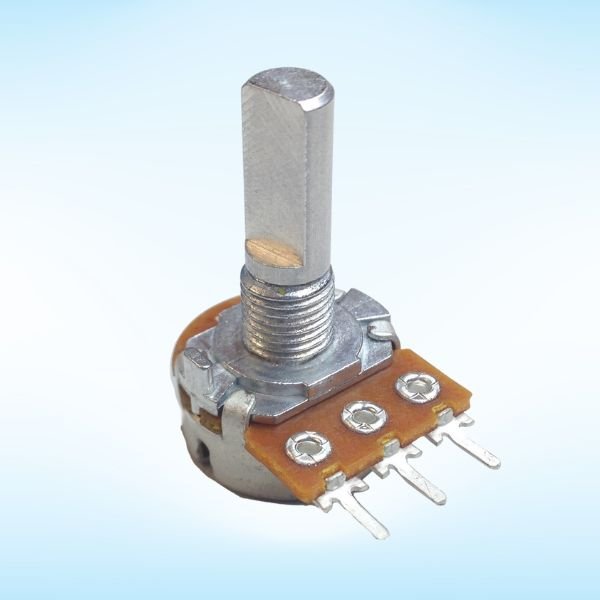
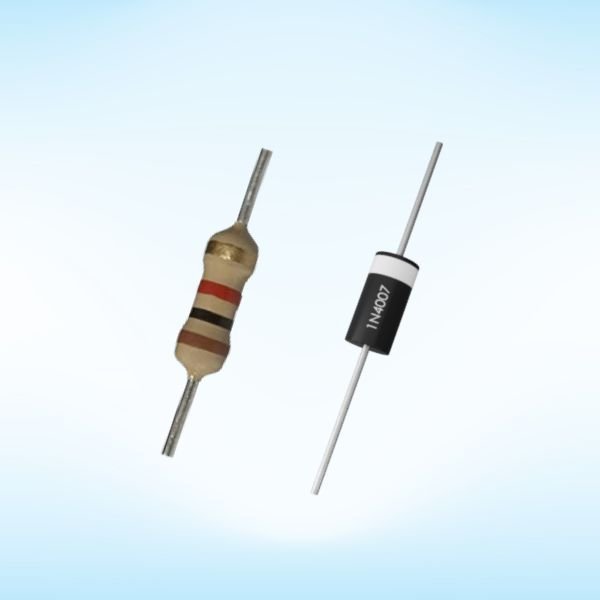
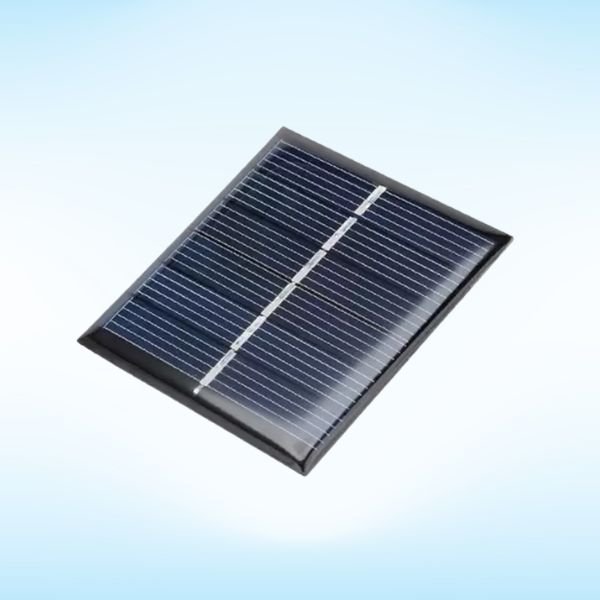
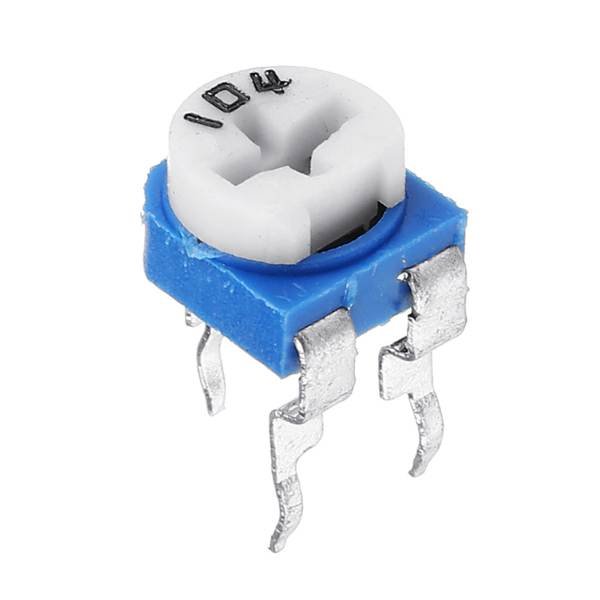
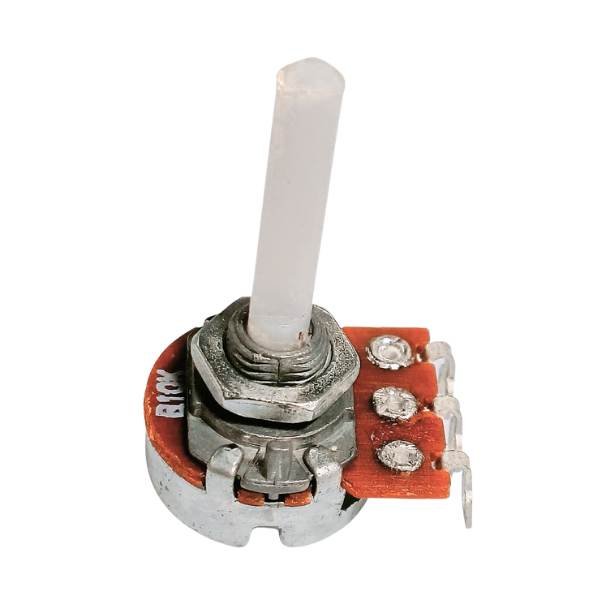
Electronics Components are the individual building blocks used in every circuit — from a simple LED blink to a complex embedded system. This category covers resistors, capacitors, ICs, diodes, PCB boards, solar panels, buzzers, switches, potentiometers, and RGB LED lights — all suitable for Arduino, ESP32, and Raspberry Pi projects. Whether you are shopping for electronic components online for a school project or a professional prototype, everything is available here. Prices include GST and most orders ship within 12 hours.
Filter by price
Buy Electronics Components Online in India | StemVolt
What are Electronics Components?
Every circuit board and electronics project is made up of electronics components. Resistors limit current, capacitors store charge, diodes let current flow in one direction, and ICs do complicated logic or amplification in a small space. A real-world example of a school science project in India is making a running LED circuit with a CD4017 decade counter IC, resistors, and SMD LED lights on a zero PCB board.
Types of Electronics Components and How They Work
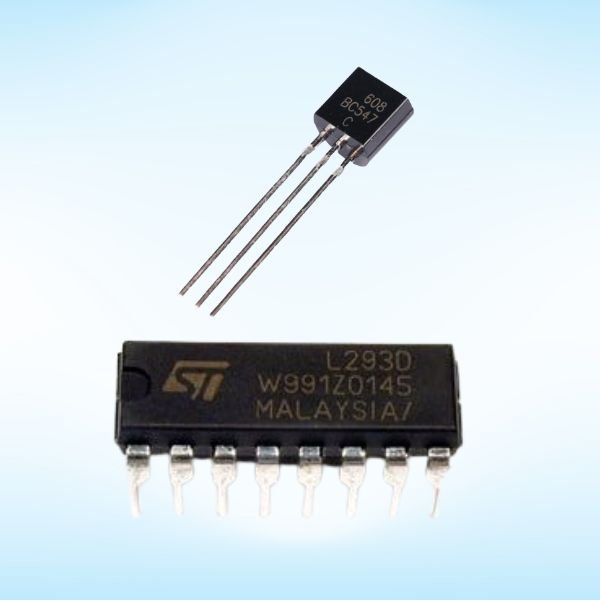
Electronics components fall into two broad groups. Passive components like resistors, capacitors, and diodes do not require external power to perform their function — they simply control, filter, or block electrical signals. A carbon resistor limits current while a wire wound resistor handles higher power loads. A PCB capacitor stores and releases charge for filtering and timing applications. Active components like amplifier ICs, voltage regulator ICs, and logic gate ICs need power to operate and can amplify signals or perform switching functions. The AND gate IC number family and decade counter ICs fall in this category and are widely used in digital electronics projects across Indian engineering labs.
| Parameter | Passive Components | Active Components |
|---|---|---|
| Power Needed | No | Yes |
| Examples | Resistor, Capacitor | IC, Transistor |
| Function | Control, Filter | Amplify, Switch |
| Difficulty | Beginner | Beginner–Mid |
Common Electronics Components Available at StemVolt
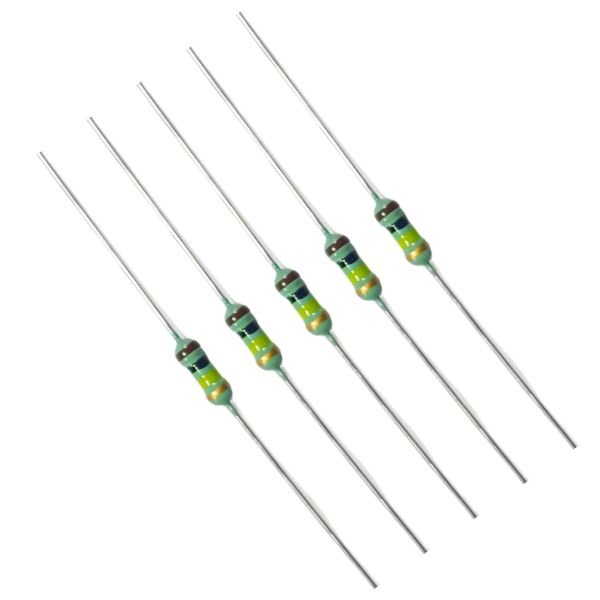
- Carbon Resistor Pack — Standard carbon resistors in common values, essential electronics components for Arduino and breadboard builds
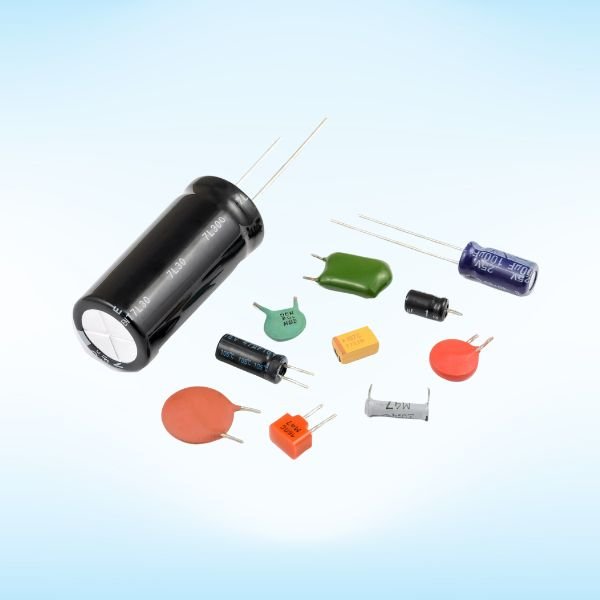
- PCB Capacitor Assortment — Electrolytic and ceramic capacitors for filtering, decoupling, and timing circuits
- Power Diode 1N4007 — Rectifier diode for polarity protection and AC-to-DC conversion in power supply circuits
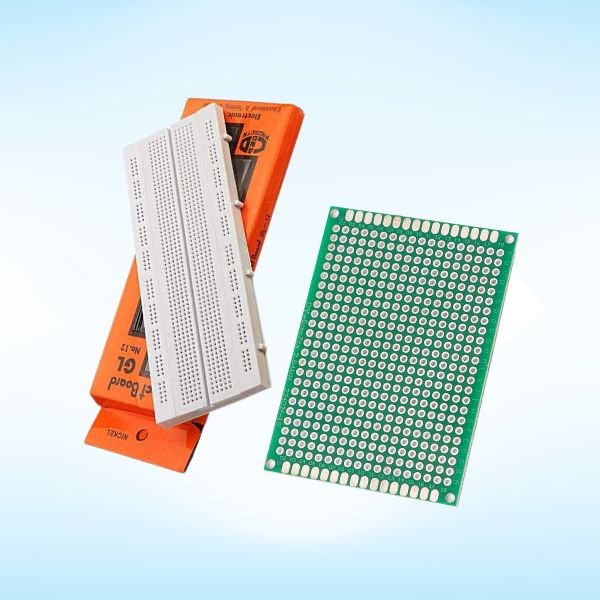
- Zero PCB Board — Blank perforated PCB board for soldering prototype circuits without etching
- 12V Solar Panel — Small solar panel for powering outdoor IoT and energy harvesting projects
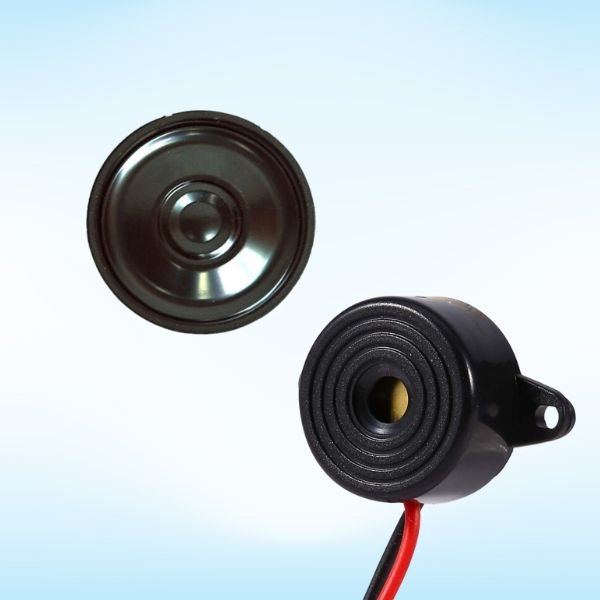
- Active Buzzer Module — 5V active buzzer for audio alerts and notification outputs in Arduino projects
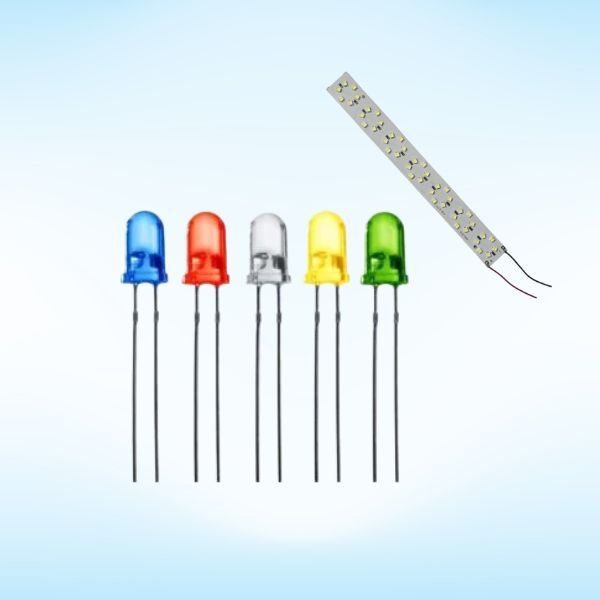
- RGB LED Lights — Multi-color RGB LED lights for decorative and indicator lighting in embedded builds
Applications of Electronics Components
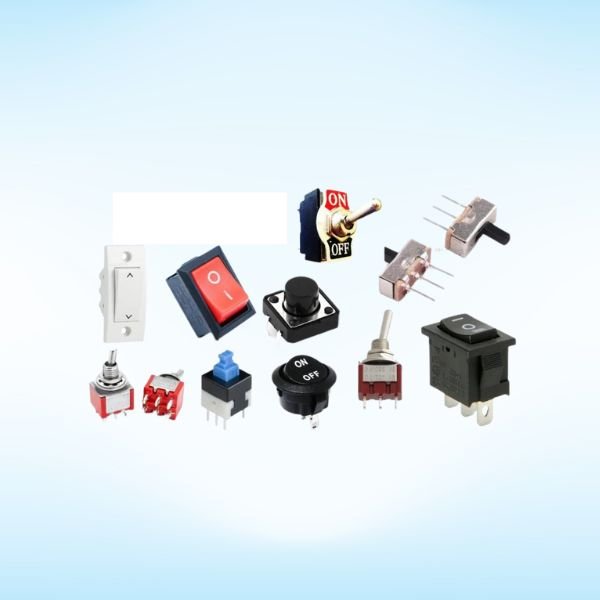
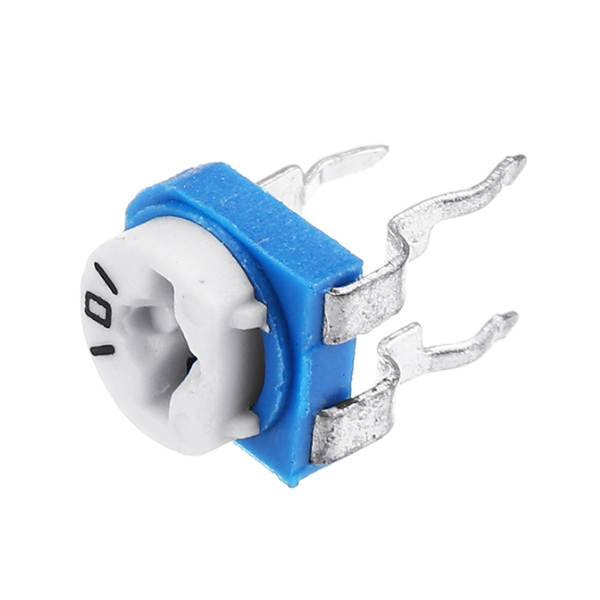
The Electronics components form the core of every project from simple school builds to advanced embedded systems. Resistors and capacitors are used in almost every circuit for current limiting, signal filtering, and timing functions in Arduino projects across India. Voltage regulator ICs keep power supply rails stable in battery-operated IoT devices and sensor nodes deployed remotely. Solar panels power off-grid embedded systems and educational energy models in school science fairs. Toggle switches and potentiometers provide manual control input in motor speed controllers and adjustable power supply builds. RGB LED lights and SMD LED lights are widely used in home automation and decorative electronics projects for visual feedback and status indication.
Explore More for Your Projects
- Also explore: LEDs and Lights – RGB, SMD, LED Strips
- Also explore: Potentiometers – Rotary and Linear
- Also explore: Solar Panels – 5V, 6V, 12V Panels
- Also explore: Development Boards – Arduino, ESP32, Raspberry Pi
- Also explore: Lithium Polymer Batteries
- Check Out These Related Blog: Electronics Components Types
How to Choose the Right Electronics Components
First, figure out what each part of your circuit needs to do. To limit current, choose a carbon resistor with the right ohm value based on the voltage of your power supply and the specifications of your LED or load. For power applications, use wire wound resistors or power diodes that can handle more current than your circuit can handle. When picking ICs, make sure the price fits your budget and the package type. DIP packages are easier for beginners to solder on zero PCB boards than SMD packages. One useful tip is to always buy resistors and capacitors in mixed packs. This way, you will have most of the values you need for a lot of different projects.
Why Buy Electronics Components from StemVolt
In India, StemVolt is the best place to buy electronics parts online. They have a huge selection of tested parts at prices that include GST. You can track your order live across India and it will ship within 12 hours. You can pay cash on delivery for orders up to ₹5000. The support team is ready to help with questions about choosing components and making sure they work together.
FAQ SECTION
Frequently Asked Questions
1. What basic electronics components does a beginner need to start with Arduino?
For a first Arduino build, you need resistors, LEDs, a breadboard, jumper wires, and a few capacitors. These cover most beginner projects like LED blink, button input, and buzzer alert circuits. Add a potentiometer for analog input experiments and a toggle switch for manual control. Most of these electronics components for Arduino are affordable and available individually or in starter packs.
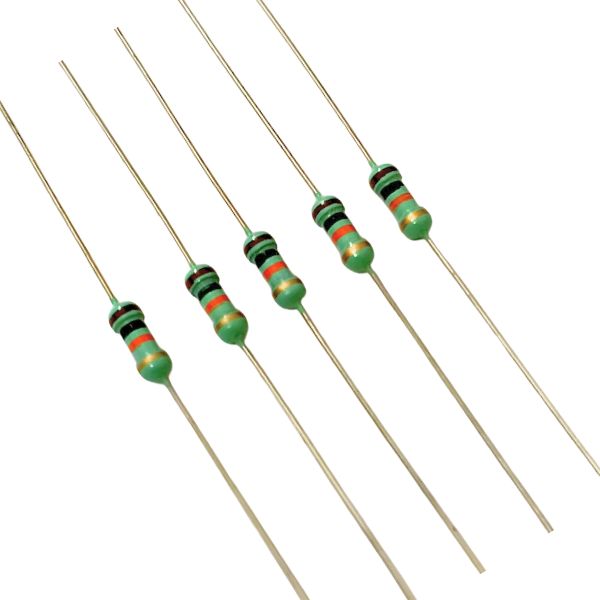
2. What is the difference between a carbon resistor and a wire wound resistor?
Carbon resistors are small, low-power components used for current limiting and signal control in most general circuits. They handle up to 0.25W to 1W typically. Wire wound resistors are built for high-power applications — they can handle several watts of dissipation without damage. For most Arduino and breadboard projects, carbon resistors are sufficient. Use wire wound resistors only when your circuit deals with significant current or power loads.
3. Are these components compatible with Arduino and ESP32 projects?
Yes. All of the resistors, capacitors, ICs, diodes, and other passive parts here meet the standard requirements for circuits based on Arduino Uno, Nano, ESP32, and Raspberry Pi. Before using an IC, always check its operating voltage. Most logic ICs work at 5V, but some need 3.3V to work with the ESP32. You can check the voltage ratings and package types on the product pages before you buy.
4. Can schools place bulk orders for electronics components kits?
Yes. Bulk orders for schools, colleges, ATL Labs, PM SHRI Labs, and electronics training centers are fully supported at StemVolt. Component assortment packs and lab kits can be ordered in quantity for classroom use. For GST billing, accurate GST details must be entered at checkout as they cannot be changed after invoice generation. Contact the support team for bulk pricing and delivery coordination.
5. What is a zero PCB board and how is it used?
A zero PCB board is a perforated board with pre-drilled holes arranged in a standard grid pattern. Components are inserted through the holes and soldered on the copper side to create permanent circuits without the need for custom PCB fabrication. It is widely used in India for building prototype circuits, school project models, and one-off embedded builds where a breadboard connection is not strong enough for the final assembly.