













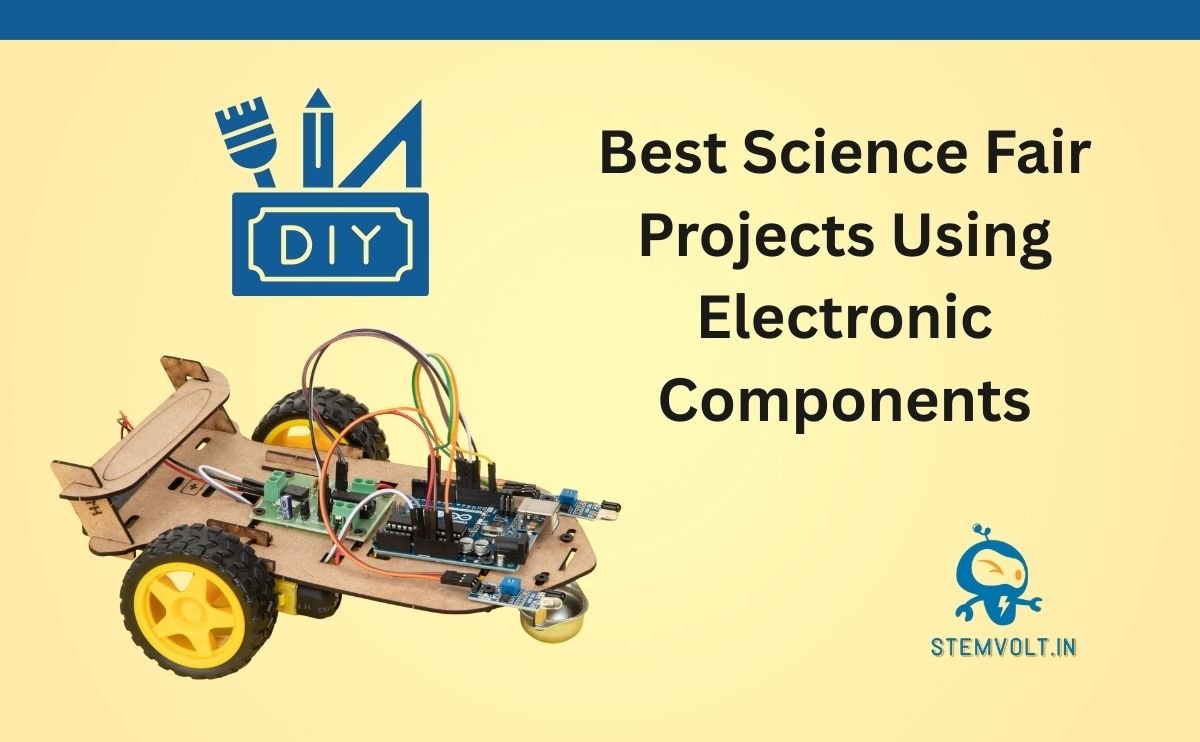
Best Science Fair Projects Using Electronic Components

Introduction
Science fairs are one of the best opportunities for students to turn theoretical knowledge into practical innovation. When combined with electronic components, even simple ideas can evolve into impressive working models that demonstrate real engineering principles.
From blinking LED circuits to automated systems, these projects help students understand how electronics work in everyday life. More importantly, they build problem-solving skills, creativity, and hands-on experience something textbooks alone cannot provide.
In today’s world, electronics form the backbone of technologies like robotics, IoT devices, and automation systems. By working on science fair projects using electronic components, students get early exposure to these fields. Whether you are a beginner or an aspiring engineer, the right project can make learning both engaging and meaningful.
What Are Science Fair Projects Using Electronic Components?
Science fair projects using electronic components are practical demonstrations where students build working models using basic electrical and electronic parts. These projects typically include components like LEDs, switches, resistors, batteries, and sometimes microcontrollers.
Unlike purely theoretical models, these projects show real-time functionality. For example:
- A traffic light system using LEDs
- A simple burglar alarm
- A temperature-controlled fan
These projects help bridge the gap between classroom concepts and real-world applications. They are especially useful for students interested in electronics, robotics, and engineering careers.
Key Components Used in These Projects
To build effective science fair projects, you need a basic understanding of commonly used electronic components:
1. LEDs (Light Emitting Diodes)
LEDs are widely used to indicate status, signals, and outputs. They are energy-efficient and easy to use in beginner projects.
2. Switches
Switches control the flow of electricity in a circuit. Push buttons and toggle switches are commonly used in interactive models.
3. Resistors
Resistors limit current flow and protect sensitive components like LEDs from damage.
4. Power Supply
Most beginner projects use batteries or DC power adapters.
5. Breadboards and Wires
These are used for assembling circuits without soldering, making them ideal for students.
If you’re building your project, you can explore a variety of components here:
Explore more: https://stemvolt.in/product-category/electronic-components/leds-and-lights/
Explore more: https://stemvolt.in/product-category/electronic-components/switches/
Top Science Fair Project Ideas Using Electronic Components
Here are some practical and easy-to-build project ideas:
1. Automatic Street Light System
This project uses an LDR (Light Dependent Resistor) to turn lights ON at night and OFF during the day.
2. Simple Traffic Light Controller
Using LEDs and a timer circuit, you can simulate traffic signal operation.
3. Doorbell Circuit
A basic project using a push button switch and buzzer to create a working doorbell.
4. Water Level Indicator
This project indicates water levels in a tank using LEDs.
5. Touch Sensor Switch
A simple circuit that turns ON a device when touched.
These projects are not only easy to build but also demonstrate real-world applications of electronics.
How These Projects Work (Technical Explanation)
At the core of every science fair electronics project is a simple electrical circuit. Understanding how current flows through components is essential.
A basic circuit consists of:
- Power source (battery)
- Load (LED, motor, buzzer)
- Control element (switch, sensor)
- Passive components (resistors, capacitors)
For example, in an LED project:
- Current flows from the battery
- Passes through a resistor (to limit current)
- Lights up the LED
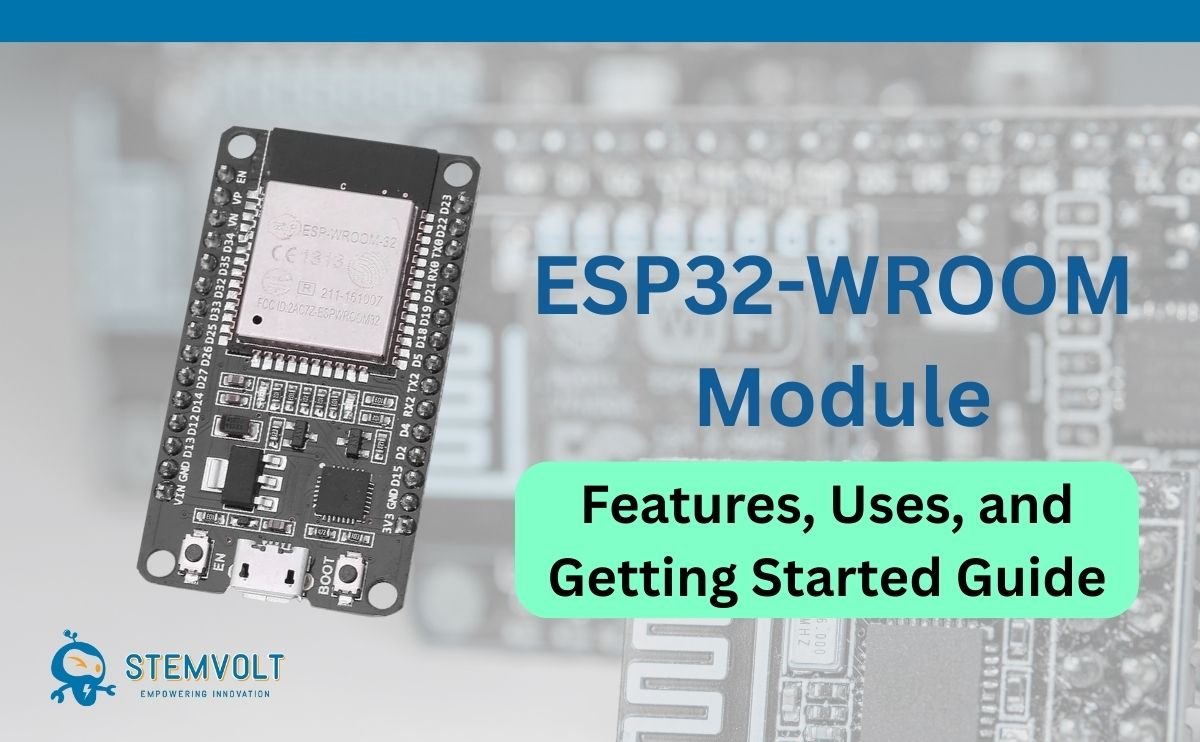
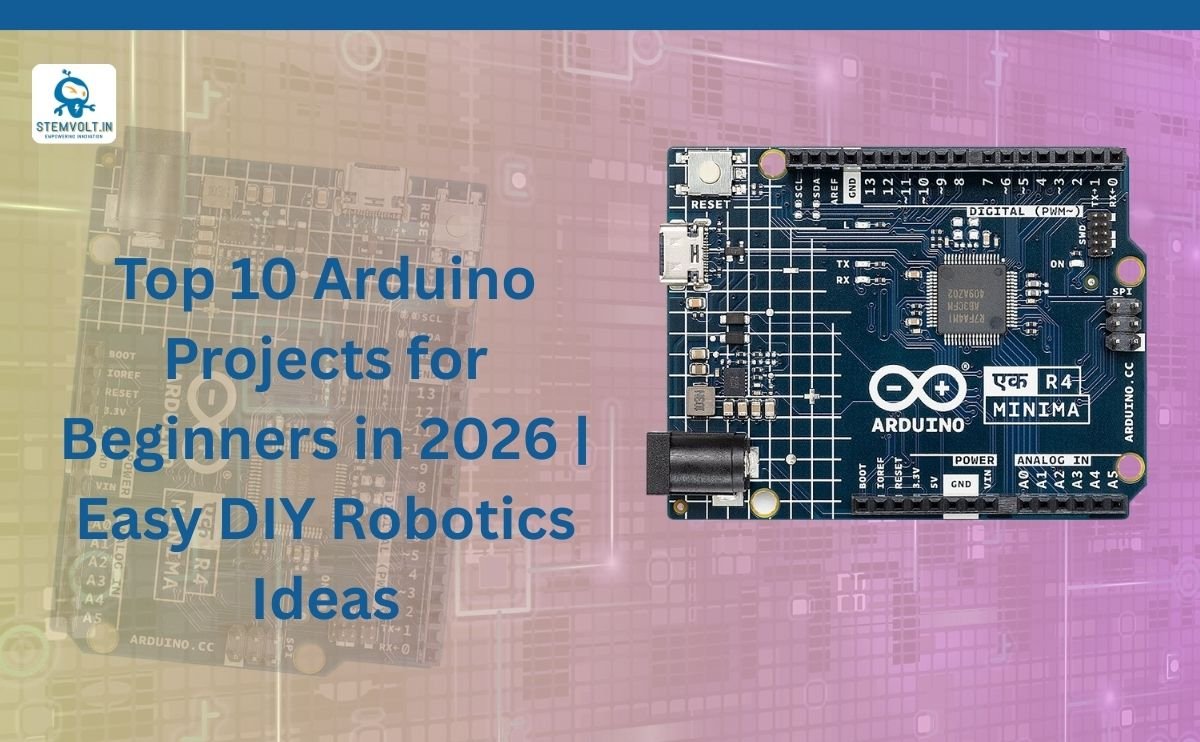
In advanced projects, microcontrollers like Arduino or development boards are used to control inputs and outputs. Sensors detect environmental conditions (light, temperature, motion), and the controller processes this data to trigger actions.
Motor drivers are used when controlling motors, especially in robotics projects, as they handle higher current loads safely.
This combination of sensors, controllers, and actuators forms the foundation of modern electronics systems.
Practical Use Cases in Real Life
Science fair projects are not just academic exercises – they reflect real-world systems.
Robotics
Basic circuits evolve into robotic systems using motors, sensors, and controllers.
IoT Applications
Projects like smart lights and temperature monitoring systems are stepping stones toward IoT development.
Home Automation
Automatic lights, alarms, and control systems are widely used in homes.
Engineering Labs
These projects help students prepare for practical lab work in engineering colleges.
Industrial Automation
Concepts learned here scale up to control systems used in factories.
By building these projects, students gain foundational knowledge that applies directly to modern technology.
Beginner Tips for Science Fair Projects
- Start Simple Begin with basic circuits like LED blinking before moving to complex systems.
- Understand the Circuit Don’t just copy diagrams—try to understand how current flows.
- Use Breadboards First Avoid soldering in early stages; breadboards make testing easier.
- Check Connections Carefully Loose or incorrect connections are the most common issues.
- Use Proper Resistors Always use current-limiting resistors with LEDs to avoid damage.
- Test Step by Step Build and test your project in stages instead of assembling everything at once.
Conclusion
Science fair projects using electronic components are one of the most effective ways to learn electronics practically. They help students understand how simple components come together to create functional systems used in daily life.
From LEDs and switches to sensors and microcontrollers, each component plays a crucial role in building real-world applications. These projects not only enhance technical skills but also encourage innovation and logical thinking.
For students, hobbyists, and aspiring engineers, working on such projects is a strong foundation for future careers in electronics, robotics, and IoT. With the right components and a clear understanding of concepts, anyone can build impressive and meaningful science fair models.