












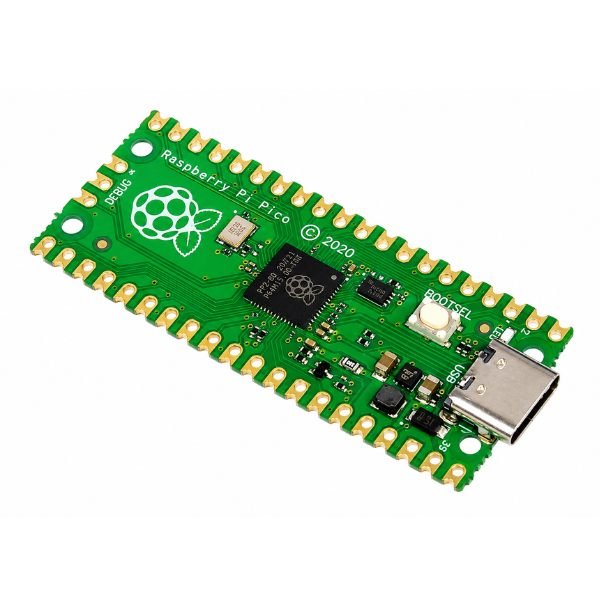
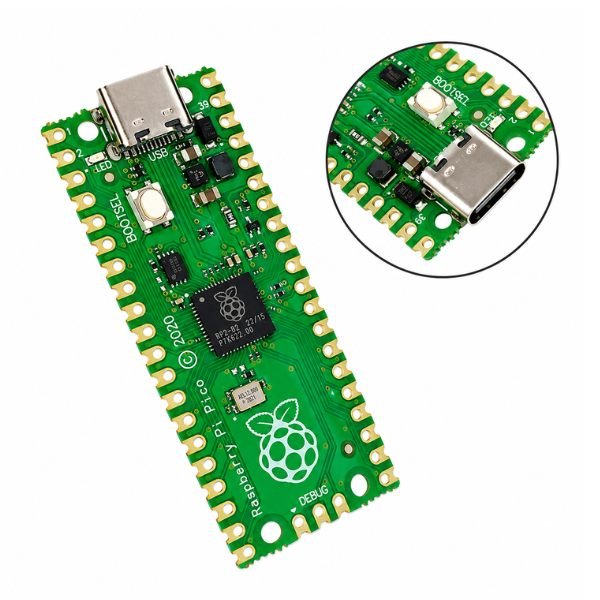
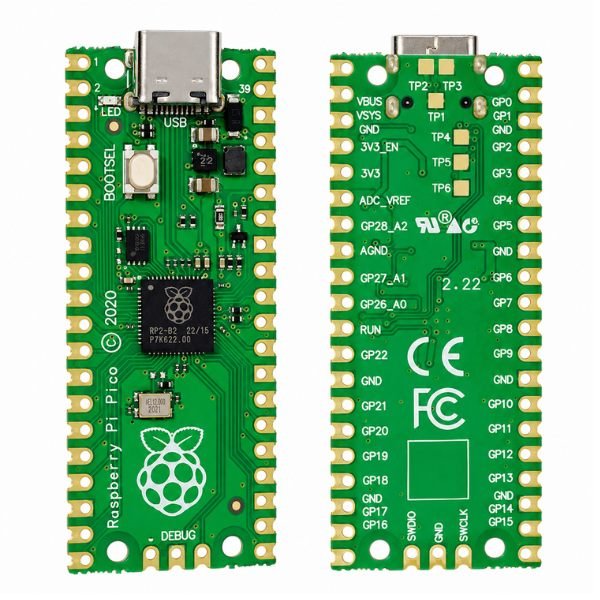
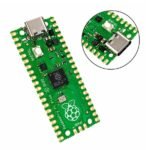
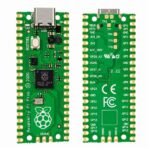



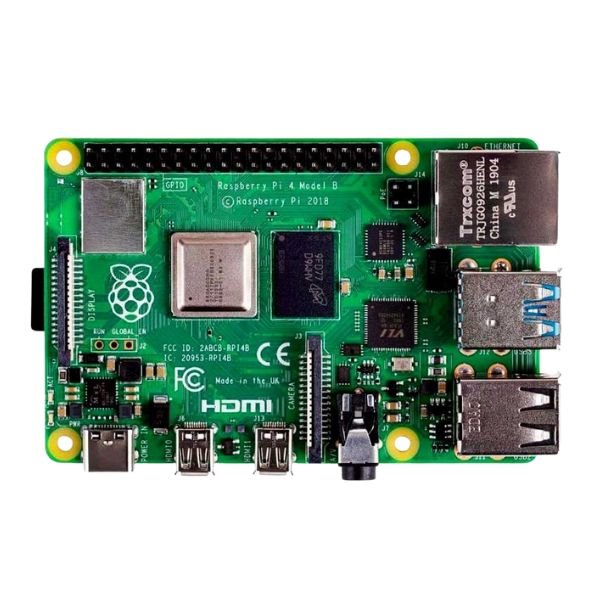
The Raspberry Pi Pico Board Type-C is a compact microcontroller development board built on the RP2040 chip — a dual-core ARM Cortex-M0+ processor running at up to 133MHz — with 264KB of SRAM, 2MB of onboard flash memory, and 26 multi-function GPIO pins. The raspberry pi board accepts input from 1.8V to 5.5V and operates its internal logic at 3.3V, connecting to a PC via the USB Type-C port for programming with MicroPython, CircuitPython, or the C/C++ SDK. The Type-C connector is an upgrade over the original Pico’s Micro USB, offering a reversible plug that eliminates orientation errors during connection.
The Pico board is programmed by dragging a .uf2 firmware file onto the USB mass storage device that appears when the board is plugged in while holding the BOOTSEL button — no dedicated programmer, IDE setup, or serial driver is required for initial firmware installation. MicroPython is the most commonly used language for the raspberry pi pico pinout across Indian college and hobbyist builds, with the official MicroPython .uf2 file available from the Raspberry Pi Foundation website, the Pico board has no onboard WiFi or Bluetooth — for wireless IoT builds, the Pico W variant with onboard CYW43439 chip adds WiFi and BLE to the same form factor.
The non-obvious architectural advantage of the RP2040 over AVR-based Arduino boards is the two Programmable I/O (PIO) state machines — dedicated hardware blocks that can implement custom serial protocols including WS2812 LED control, I2S audio, and UART variants entirely in hardware without any CPU overhead. The Raspberry Pi Pico board for beginners and IoT labs combines MicroPython simplicity with RP2040 hardware performance at an accessible price. Available from StemVolt, this unit is suitable for engineers working on embedded microcontroller applications and practical IoT electronics projects.
Related Product:
-
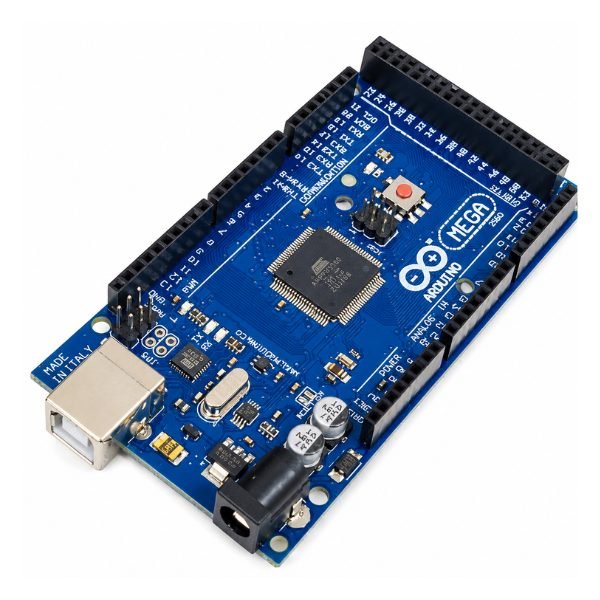
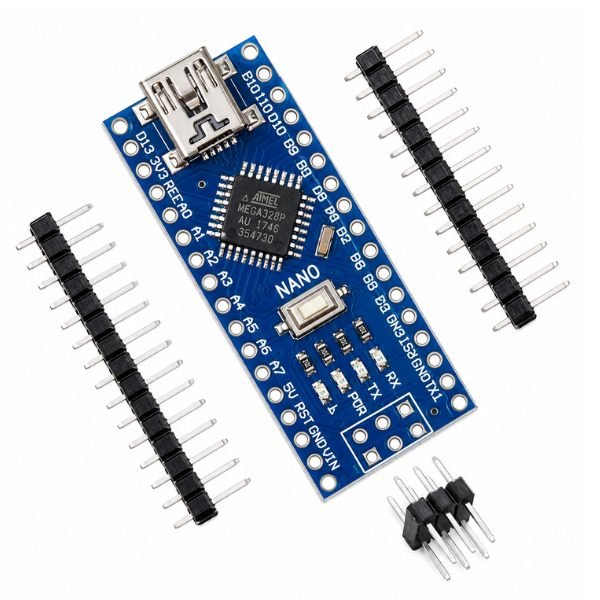
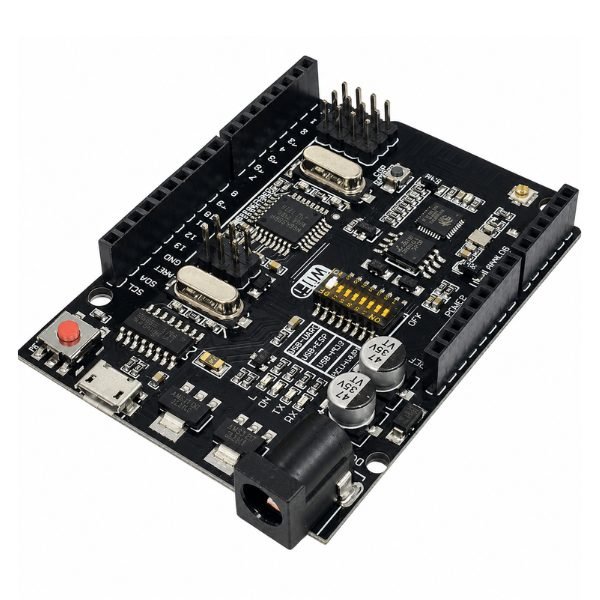
Explore the Original Arduino Boards for smart iot projects
Features:
- Dual-core RP2040 Cortex-M0+ runs at up to 133MHz clock speed
- 26 multi-function GPIO pins support I2C SPI UART ADC and PWM
- USB Type-C replaces Micro USB with reversible plug orientation
- Drag-and-drop .uf2 firmware install requires no IDE or driver setup
- 1.8V to 5.5V input range suits battery and USB power builds
Raspberry Pi Pico Datasheet:
Technical Specifications:
| Specification | Details |
|---|---|
| Microcontroller | Raspberry Pi Pico (RP2040) |
| CPU | Dual-core ARM Cortex-M0+ |
| Clock Speed | Up to 133 MHz |
| SRAM | 264 KB |
| Flash Memory | 2 MB |
| GPIO Pins | 26 Multi-function GPIO |
| USB Interface | USB Type-C |
| Operating Voltage | 3.3 V Logic, 1.8 V – 5.5 V Input Range |
Applications:
- Raspberry Pi Pico Board used for MicroPython IoT sensor node build
- College project uses raspberry pi board for temperature humidity data logger
- WS2812 LED strip uses Pico board PIO state machine for control
- USB HID device uses Pico board for custom keyboard emulation build
- Raspberry Pi Pico board online India used for beginner embedded project
Package Includes:
- 1 × Raspberry Pi Pico Board

Meenu Jindal –
Product intact received
Vivek Gehlot –
Raspberry pi pico board type-c is perfect for DIY projects and STEM learning, with reliable performance and convenient Type-C connectivity for development work.
Hriday Chauhan –
No complaints at all
Anaya Purohit –
No regrets purchase