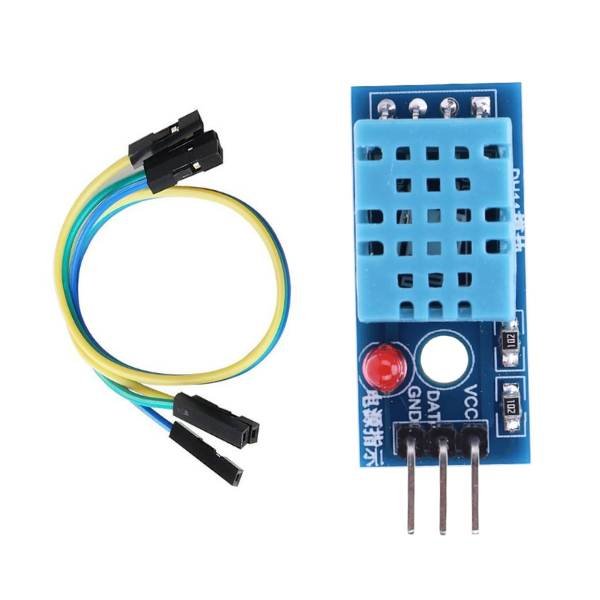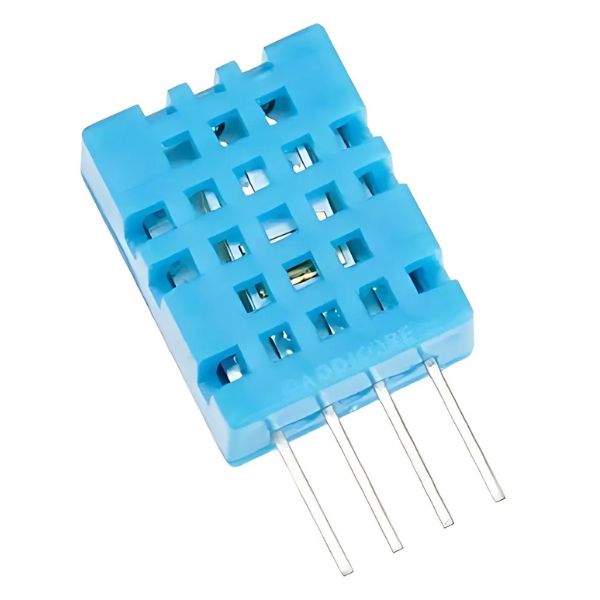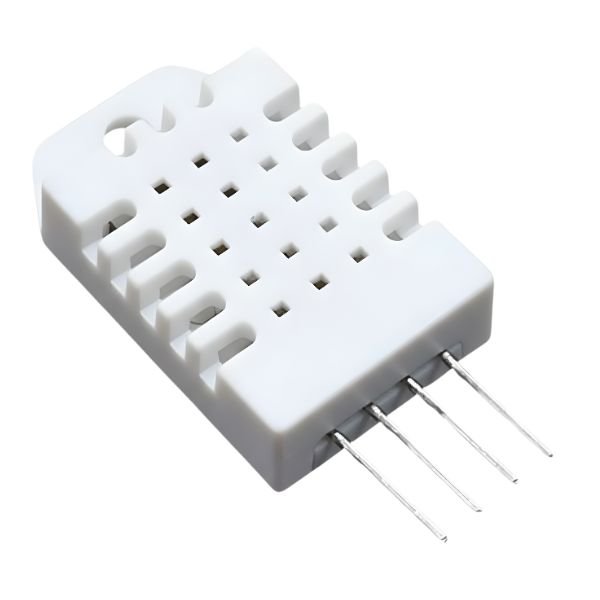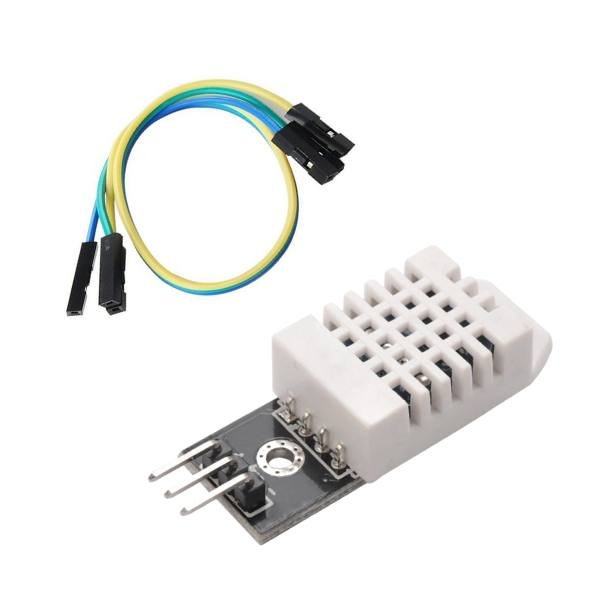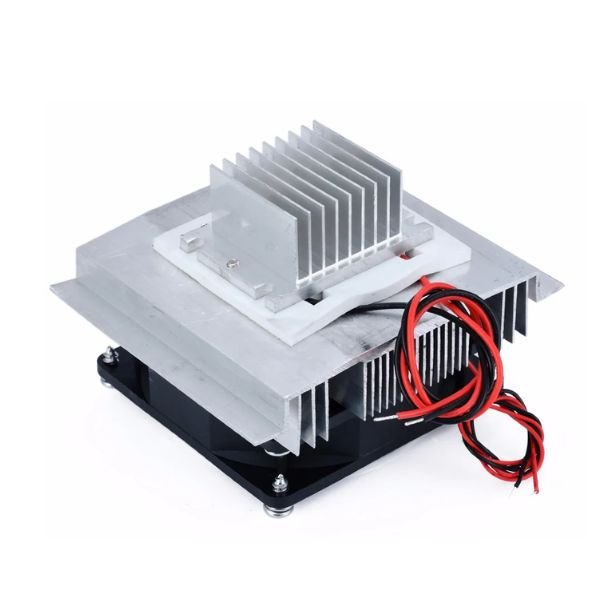








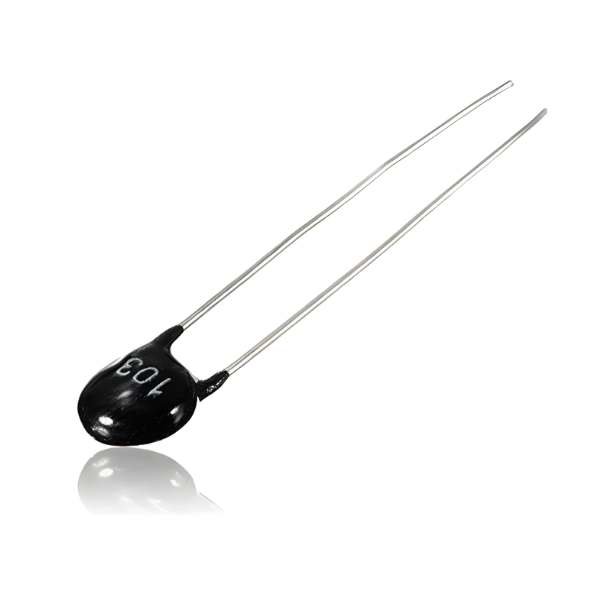
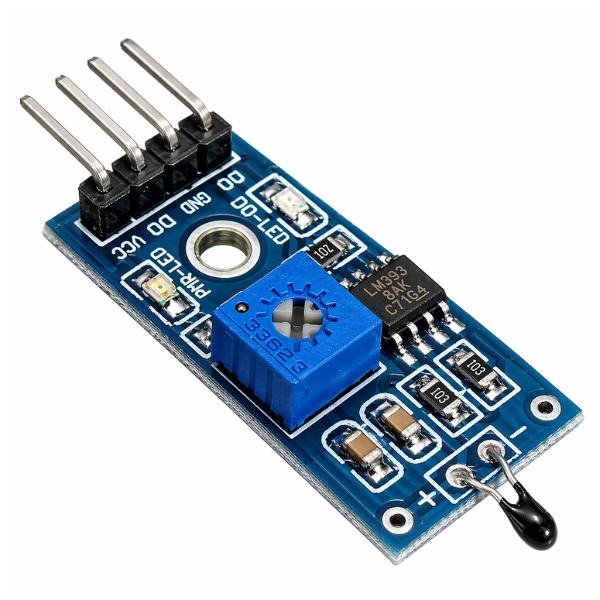
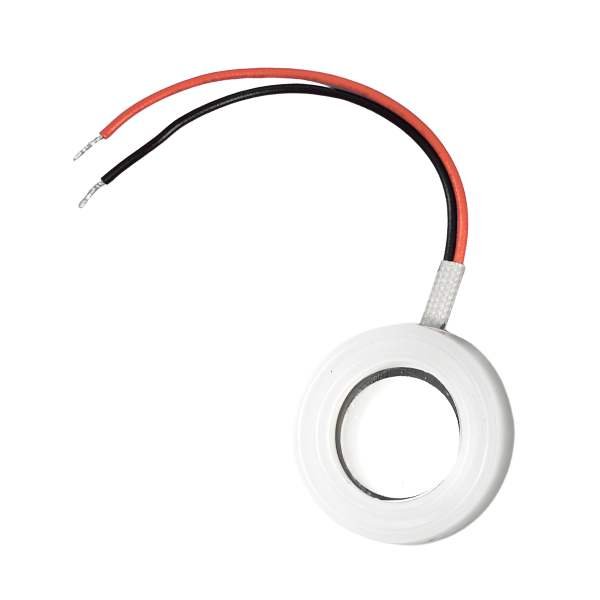
Humidity, Temperature and Heat sensors measure environmental conditions and thermal events in real time. From temperature humidity sensors and smart temperature sensors to flame sensors and ultrasonic mist maker modules, these suit IoT monitoring, safety systems, and humidifier builds. Best price guaranteed with fast delivery across India.

Humidity, Temperature and Heat

What are Humidity, Temperature and Heat Sensors?

Humidity, Temperature and Heat sensors are environmental monitoring components that detect moisture levels, ambient temperature, and thermal events like fire or excessive heat. Each sensor uses a different physical principle to produce a measurable electrical output. Temperature sensors use resistance change or thermoelectric effect, humidity sensors use capacitive element variation, and flame sensors detect infrared radiation from fire. A common example in Indian college IoT projects is using a DHT22 temperature humidity sensor to build an automatic fan controller that responds to room conditions.

Humidity, Temperature and Heat Sensors Available at StemVolt

How to Choose the Right Humidity, Temperature and Heat Sensors

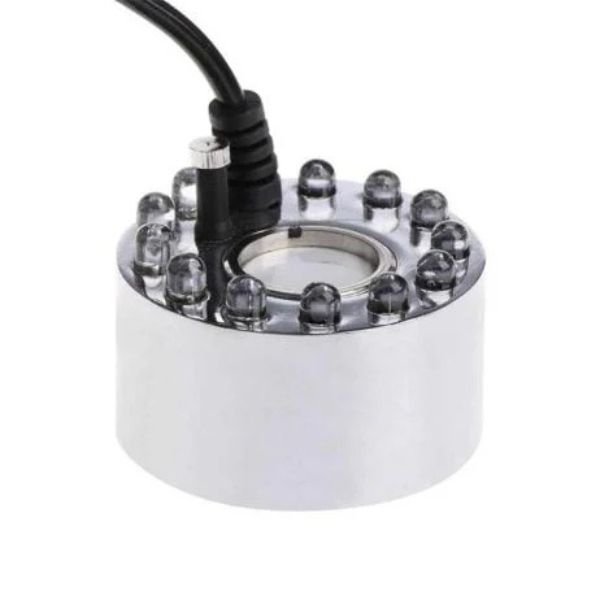
Choose based on what parameter your project needs to measure. For combined temperature and humidity readings, DHT22 gives better accuracy than DHT11 and is worth the slightly higher sensor price in india for precision builds. For fire detection and safety alert systems, a flame sensor module is the right dedicated choice. For generating mist or fog effects, a piezo humidifier mist maker module needs a 24V supply so check your power source before ordering. One practical tip: DHT sensors are sensitive to power noise, so always add a 10k pull-up resistor on the data pin and a 100nF decoupling capacitor on the power pins for stable readings.

Buy Humidity, Temperature and Heat Online in India | StemVolt

StemVolt is an electronics store based in Kota, Rajasthan supplying genuine and quality-tested sensors across India. Best price guaranteed with fast shipping and easy return policy on every order.

FAQ SECTION

Frequently Asked Questions

1. What are the different humidity sensor types and how do they work?

Humidity sensors come in two main types. Capacitive humidity sensors measure moisture by detecting changes in the dielectric constant of a moisture-absorbing material between two electrodes. Resistive humidity sensors measure the change in electrical resistance of a hygroscopic material as humidity changes. DHT11 and DHT22 modules use capacitive sensing internally and output calibrated digital data. Capacitive sensors generally offer better accuracy and longer lifespan than resistive types for most electronics projects.

2. How does a heat and flame sensor work in an Arduino safety project?

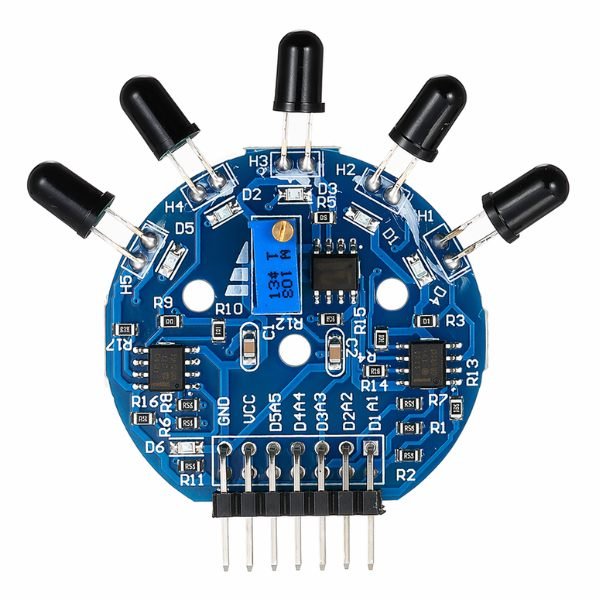
A flame sensor module contains a photodiode that is sensitive to infrared radiation in the wavelength range emitted by fire. When a flame is present, the photodiode detects the IR radiation and the onboard comparator outputs a LOW digital signal to the Arduino. The sensitivity can be adjusted using the onboard potentiometer. The sensor can detect a candle flame from about 80 centimetres away in clear line of sight, making it practical for early fire detection builds.

3. What are the types of temperature sensors and which is best for Arduino?

Common temperature sensor types include NTC thermistors, LM35 analog sensors, DS18B20 digital sensors, DHT modules, and thermocouples. For Arduino beginners, LM35 is the easiest as it outputs a direct analog voltage proportional to temperature with no library needed. DS18B20 is better for accurate waterproof applications over 1-Wire protocol. DHT22 adds humidity measurement alongside temperature in one module. Thermocouples suit high-temperature industrial measurement and need an amplifier like MAX6675 to interface with Arduino.

4. Which temperature and humidity sensor is best for home automation builds?

DHT22 is the preferred choice for home automation projects that need accurate readings. It measures temperature from minus 40 to 80 degrees Celsius with 0.5 degree accuracy and humidity from 0 to 100 percent with 2 to 5 percent accuracy. DHT11 is cheaper but less accurate and has a narrower range. For professional smart home builds or long-running IoT deployments, DHT22 gives more reliable data over time compared to DHT11.

5. How do I set up a DHT22 sensor with Arduino for the first time?

Connect VCC to Arduino 5V, GND to ground, and data pin to any digital pin such as pin 2. Add a 10k resistor between VCC and the data pin as a pull-up. Install the DHT sensor library by Adafruit from the Arduino IDE library manager. Upload the DHT example sketch, select DHT22 as sensor type, and open serial monitor at 9600 baud. Temperature and humidity readings will print every two seconds once the sensor initialises.